The era of designing office layouts based on hierarchy, tradition, or simple guesswork is officially over. In the wake of the hybrid work revolution, companies are realizing that the physical workspace is not just a container for employees, but a strategic tool that can drive productivity, enhance well-being, and foster a strong culture. The key to unlocking this potential lies in a data-informed approach. By leveraging space utilization analytics, businesses can move beyond assumptions and create environments that are meticulously tailored to how their teams actually work, collaborate, and thrive. This shift from intuitive design to evidence-based architecture allows for the creation of agile, responsive, and truly human-centric workspaces. This article will explore the fundamental principles of data-informed office design, from the metrics that matter to the creation of diverse zones that support every type of task and temperament.
The foundation of change: moving from assumptions to analytics
For decades, office design was dictated by a rigid set of assumptions. Open-plan layouts were thought to universally foster collaboration, while executive offices were seen as necessary symbols of status. The post-pandemic reality has shattered these conventions. Today, the most critical question is not what an office *should* look like, but how it is *actually* used. Answering this requires a commitment to gathering and analyzing data. Space utilization analytics, powered by a new generation of smart office technology, provides the concrete evidence needed to make strategic design decisions. This can include IoT sensors that anonymously track occupancy in real-time, meeting room booking software that reveals demand patterns, and Wi-Fi data that shows employee flow throughout the day. By collecting this information, organizations can identify which spaces are overused, underutilized, or simply unfit for purpose. For example, data might reveal that large, formal boardrooms sit empty 80% of the time while employees are constantly searching for small, quiet spaces for focused work or private calls. This insight is invaluable, preventing costly investments in the wrong types of spaces and ensuring that the real estate footprint is optimized for maximum efficiency and employee satisfaction. This evidence-based approach replaces subjective opinions with objective facts, forming the bedrock of a workspace strategy that is both cost-effective and culturally resonant.
Key metrics that shape a smarter workspace
To effectively implement a data-informed design, it’s crucial to focus on the right metrics. These key performance indicators (KPIs) provide a clear picture of workspace health and highlight opportunities for improvement. The first and most fundamental metric is the occupancy rate, which measures how often a specific space—be it a desk, a phone booth, or a meeting room—is actually in use. This differs from the utilization rate, which measures the percentage of a space’s capacity being used when it is occupied. A ten-person conference room used by only two people has a high occupancy rate but a very low utilization rate, signaling a mismatch between the space provided and the need. Another critical metric is peak occupancy, which identifies the maximum number of people in the office at any given time, helping to determine the right number of workstations for a hybrid team. Analyzing foot traffic patterns and dwell time—how long people spend in certain areas—can also yield powerful insights. For instance, data might show that a beautifully designed lounge area is consistently empty, prompting an investigation into why. Perhaps it lacks power outlets, has poor acoustics, or is located in a low-traffic area. By tracking these quantitative metrics alongside qualitative data from employee surveys and feedback, a holistic picture emerges, allowing designers and facility managers to make precise, impactful adjustments that cater to the genuine needs of the workforce.
Designing for diversity: creating zones for neuro-inclusion and varied tasks
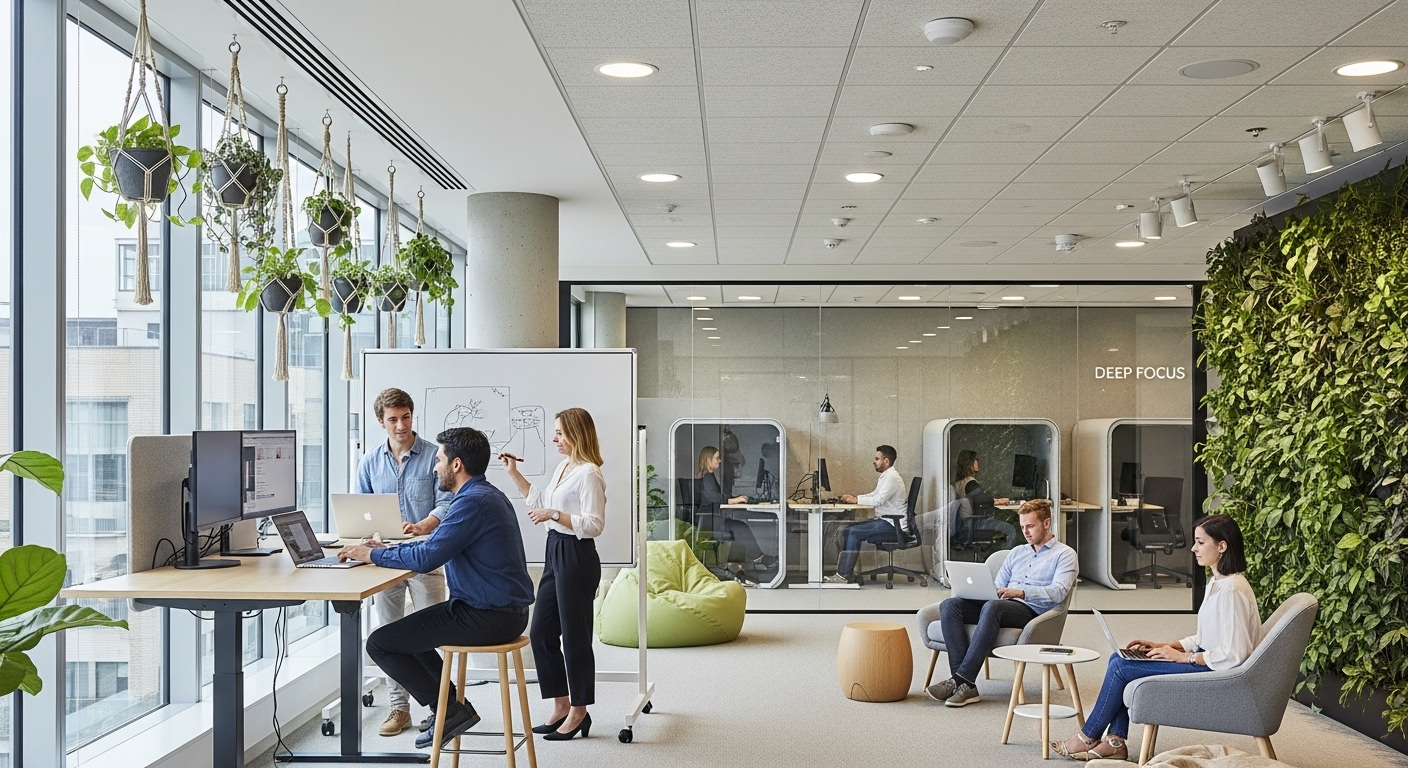
A truly productive workspace acknowledges that not all work is the same, and not all workers are the same. The rise of neuro-inclusive design principles recognizes that a significant portion of the workforce is neurodivergent, with conditions like ADHD or autism spectrum disorder. These individuals may have heightened sensitivities to noise, light, and other sensory inputs. A data-informed approach allows for the creation of a diverse ecosystem of spaces, or “zones,” that cater to a wide range of neurological needs and work styles. Data analytics can validate the demand for these different zones. For example, if booking data shows constant demand for private rooms, it supports the creation of dedicated quiet zones for deep focus. These areas would feature acoustic paneling, controlled lighting, and a strict no-interruption policy. Conversely, high-traffic areas with significant collaborative activity could be transformed into dynamic project hubs with whiteboards, flexible furniture, and integrated video conferencing technology. Other essential zones include low-stimulation or “restoration” spaces with comfortable seating and biophilic elements like plants and natural light, providing a retreat for employees feeling overstimulated. By offering this variety and choice, companies empower their employees to select the environment that best suits their task and mental state at any given moment, a concept central to Activity-Based Working (ABW). This creates a more equitable and supportive environment where every employee has the opportunity to perform at their best.
The hybrid hub: optimizing for seamless remote and in-person collaboration
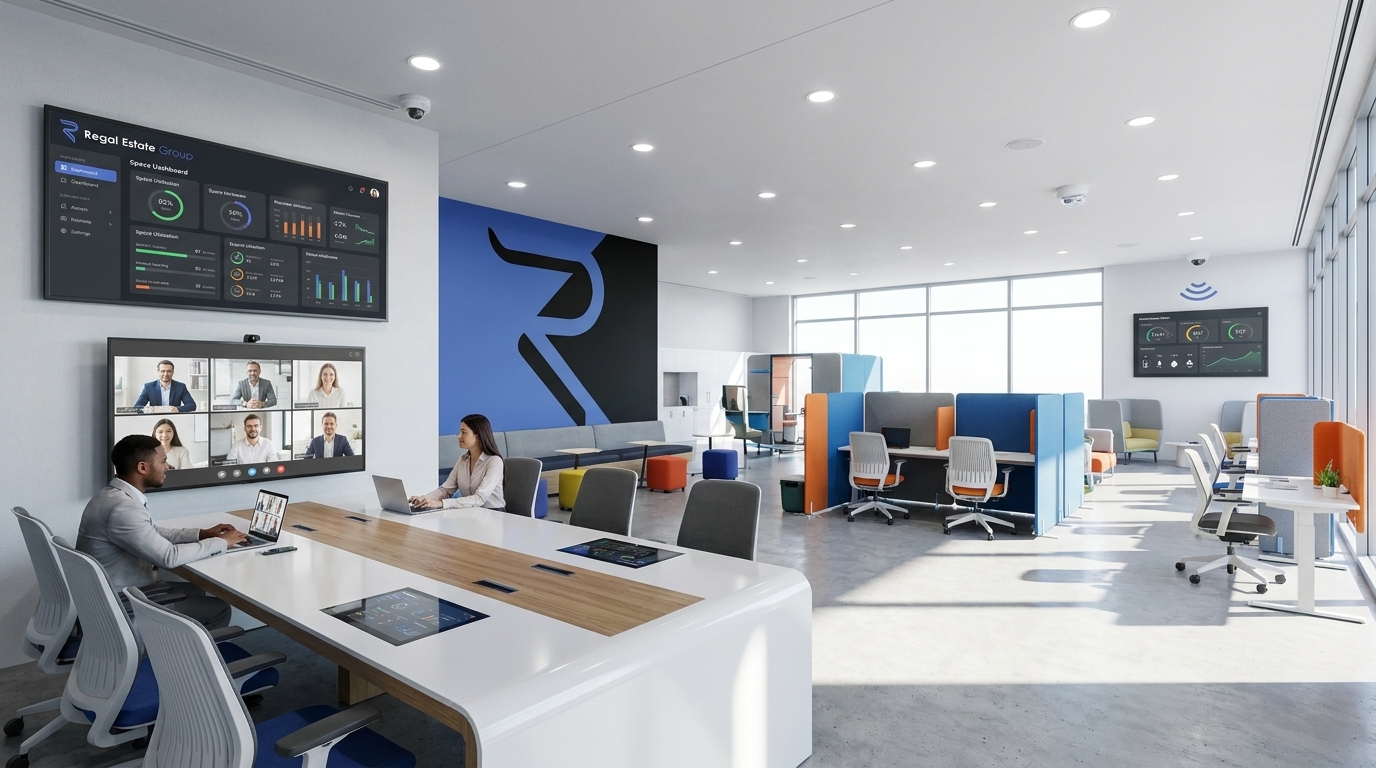
In the era of hybrid work, the office’s primary role has shifted from being the sole place of work to being a central hub for collaboration, connection, and culture. Data is essential for designing a successful hybrid hub. Analytics can reveal when teams prefer to come into the office (e.g., specific “collaboration days”) and what types of spaces they use most when they are on-site. The data often shows a high demand for technologically-enabled meeting rooms that can seamlessly connect in-person and remote participants. This means equipping spaces with high-quality cameras, microphones, and displays to ensure virtual attendees feel just as present as those in the room. Furthermore, utilization data can help determine the ideal ratio of individual workstations to collaborative zones. With fewer employees in the office every day, many companies find they can reduce the number of assigned desks and reinvest that square footage into creating more diverse and dynamic meeting areas, social lounges, and project rooms. The goal is to make the office a compelling “destination”—a place that offers a superior experience for certain types of work, particularly collaborative and social activities, that cannot be replicated at home. This strategic allocation of space, guided by hard data, ensures that the office remains a vital, valuable asset in a flexible work model.
Iterate and evolve: the cyclical nature of workspace optimization
A data-informed office layout is not a one-time project; it is a continuous cycle of improvement. The needs of a business and its employees are constantly evolving, and the workspace must be agile enough to adapt. The process involves collecting data, analyzing it for insights, implementing design changes, and then—crucially—continuing to monitor the impact of those changes. This is known as a post-occupancy evaluation. After a redesign, organizations should keep tracking utilization rates, booking patterns, and employee feedback to assess what’s working and what isn’t. Perhaps the new huddle rooms are a massive success, but the open collaboration area is proving too noisy and distracting. This feedback loop allows for ongoing, iterative adjustments. A truly intelligent workspace is one that learns and evolves. This might mean reconfiguring a specific zone, adding more soundproofing, or investing in different furniture. This commitment to continuous optimization ensures that the office layout never becomes static or obsolete. It remains a living, breathing ecosystem that is perpetually aligned with the rhythms of the organization, future-proofing the investment and ensuring the workspace consistently supports the company’s strategic goals and the well-being of its most important asset: its people.
The ethical dimension: ensuring privacy and transparency
As companies embrace the power of workplace analytics, it is imperative to address the ethical considerations and prioritize employee privacy. The goal of data collection should always be to understand and improve the workspace, not to monitor individual employees. Transparency is the key to building trust and ensuring employee buy-in. Organizations must be open and clear about what data is being collected, how it is being used, and the privacy safeguards that are in place. Best practices include using anonymized, aggregated data wherever possible. For example, sensors can track that a desk is occupied without knowing *who* is sitting there. The focus should be on macro-level trends—like the utilization rate of a specific floor or the demand for certain types of rooms—rather than individual productivity metrics. It’s also beneficial to involve employees in the process through committees or feedback sessions, framing the initiative as a collaborative effort to create a better work environment for everyone. When approached ethically and transparently, workplace analytics can be a powerful tool for positive change, helping to create spaces that are not only more efficient but also more responsive to the human needs of comfort, privacy, and psychological safety. Without this foundation of trust, even the most well-intentioned data-driven design project is likely to fail.
In conclusion, designing an office layout in the modern age requires a new playbook—one written with data. By shifting from assumption-based design to an analytical, evidence-based approach, companies can craft workspaces that are truly fit for purpose. This means understanding the nuanced ways in a hybrid workforce uses physical space, recognizing the critical need for neuro-inclusive environments, and creating a diverse ecosystem of zones that cater to different tasks and work styles. The use of space utilization analytics allows for the optimization of real estate, the enhancement of collaboration, and a significant boost in employee well-being and productivity. The result is not just a more efficient building, but a strategic asset that attracts and retains top talent, fosters innovation, and strengthens corporate culture. The data-informed workspace is more than a trend; it is the future of office design, where every square foot is engineered to help people do their best work, together.