In today’s competitive landscape, the concept of a branded space has undergone a profound evolution. No longer a static backdrop decorated with logos and corporate colors, the physical environment has become an active, dynamic participant in the brand narrative. This shift is driven by a convergence of sophisticated design principles, complex logistics, and rising consumer expectations for immersive, personalized experiences. The modern branded space is a living ecosystem, one that seamlessly merges the tangible world with a rich digital layer to create memorable, engaging, and authentic connections. It’s an environment that responds, adapts, and tells a story in real-time. This article explores the key pillars of this new paradigm, from the rise of ‘phygital’ ecosystems and the critical role of sustainable design to the complex logistics required to power these interactive worlds. We will delve into how brands can move beyond mere aesthetics to architect multi-sensory, data-driven environments that not only capture attention but also foster lasting loyalty.
The rise of the phygital ecosystem
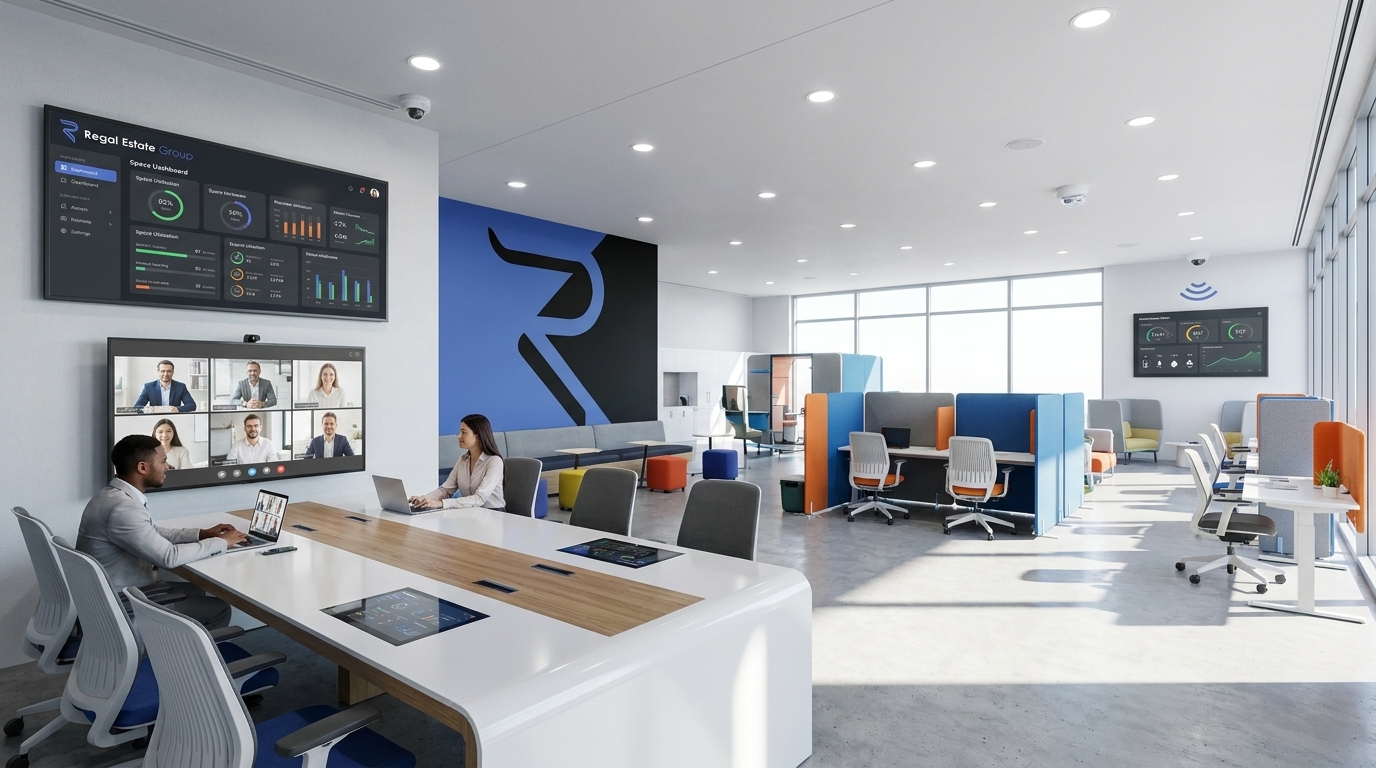
The line between the physical and digital worlds has blurred, giving rise to the ‘phygital’ ecosystem—a hybrid space where tangible objects and digital interfaces coexist and interact. This is the new frontier of experiential branding. Instead of simply viewing a product on a shelf, customers can now use augmented reality (AR) on their smartphones to see how a piece of furniture would look in their own home, right from the showroom floor. Retail environments are transforming into interactive playgrounds where digital screens respond to touch, offering personalized styling advice or detailed product origins. This integration creates a richer, more informative, and deeply engaging customer journey. The logistical challenge lies in creating a frictionless experience. It requires robust, high-speed wireless networks, strategically placed power sources for interactive displays, and a software backend that is both powerful and intuitive. The goal is to make the technology feel invisible, allowing the user to become fully immersed in the brand story without being distracted by the mechanics behind it. This blend of physical presence and digital enhancement allows brands to extend their reach, offering a consistent and compelling experience whether a customer is in-store or interacting from halfway across the world during a hybrid event.
Hyper-personalization and the data-driven space
At the heart of the dynamic brand environment is the power of data to deliver hyper-personalized experiences. By leveraging technologies like AI, IoT sensors, and real-time analytics, spaces can now understand and adapt to the individuals within them. Imagine an art gallery where the lighting and ambient soundscape subtly shift based on the collective mood of the crowd, or a flagship store that adjusts digital content based on demographic data captured from opt-in analytics. This level of responsiveness makes visitors feel seen and understood, forging a powerful emotional connection to the brand. The logistical framework for such a system is complex, involving the ethical collection and processing of user data, ensuring privacy and security are paramount. It’s not just about collecting data, but about using it to add tangible value to the visitor’s experience. For example, loyalty program members could receive personalized welcomes on digital screens or have tailored product recommendations sent to their phones as they browse. This data-driven approach transforms the physical space from a one-size-fits-all container into a bespoke journey, curated for each individual who walks through the door, dramatically increasing engagement and brand affinity.
Sustainable by design: branding with purpose
Sustainability has shifted from a corporate buzzword to a fundamental pillar of brand identity, and this is powerfully expressed through physical space. Consumers, particularly younger demographics, actively seek out brands that align with their values, making eco-conscious design a critical component of authentic branding. This goes far beyond placing a few recycling bins in the corner. It involves a holistic approach to design and logistics, starting with the very materials used to construct the space. Brands are increasingly using reclaimed wood, recycled plastics, and low-VOC paints to build healthier and more environmentally friendly environments. The logistics of sustainability also extend to operational efficiency. This includes installing energy-efficient LED lighting systems that respond to natural light levels, implementing smart HVAC systems that reduce energy consumption, and designing for modularity and disassembly to minimize waste at the end of a campaign or installation’s lifecycle. Communicating these efforts is part of the brand story. A simple plaque explaining the origin of the reclaimed materials or a digital display showing the building’s real-time energy savings can turn a physical space into a testament to the brand’s commitment to the planet. This purposeful approach doesn’t just reduce environmental impact; it builds deep trust and respect with an increasingly conscious consumer base.
The logistics of immersion: powering seamless experiences
Creating a truly immersive and interactive brand environment is a monumental logistical undertaking that remains invisible when executed perfectly. The magic of a seamless phygital experience is built on a foundation of meticulous planning and robust infrastructure. The primary challenge is ensuring that the technology powering the digital layer is flawless and completely reliable. This includes guaranteeing wall-to-wall, high-bandwidth Wi-Fi capable of handling hundreds or thousands of simultaneous user connections, especially during large-scale events. It involves designing an electrical grid that can support numerous digital displays, charging stations, and interactive installations without failure. Furthermore, the integration of various technologies—from AR software and motion sensors to projection mapping and responsive lighting—must be harmonized. This requires a central control system that allows for real-time management and troubleshooting. For temporary installations or pop-up events, the logistical complexity multiplies, involving rapid deployment, secure transportation of sensitive equipment, and coordination with multiple vendors. The ultimate goal of this intensive logistical effort is to create a frictionless user experience, where the technology is so well-integrated that it feels like a natural extension of the physical space, allowing the brand’s story to shine without interruption.
Sensory architecture: crafting emotional connections
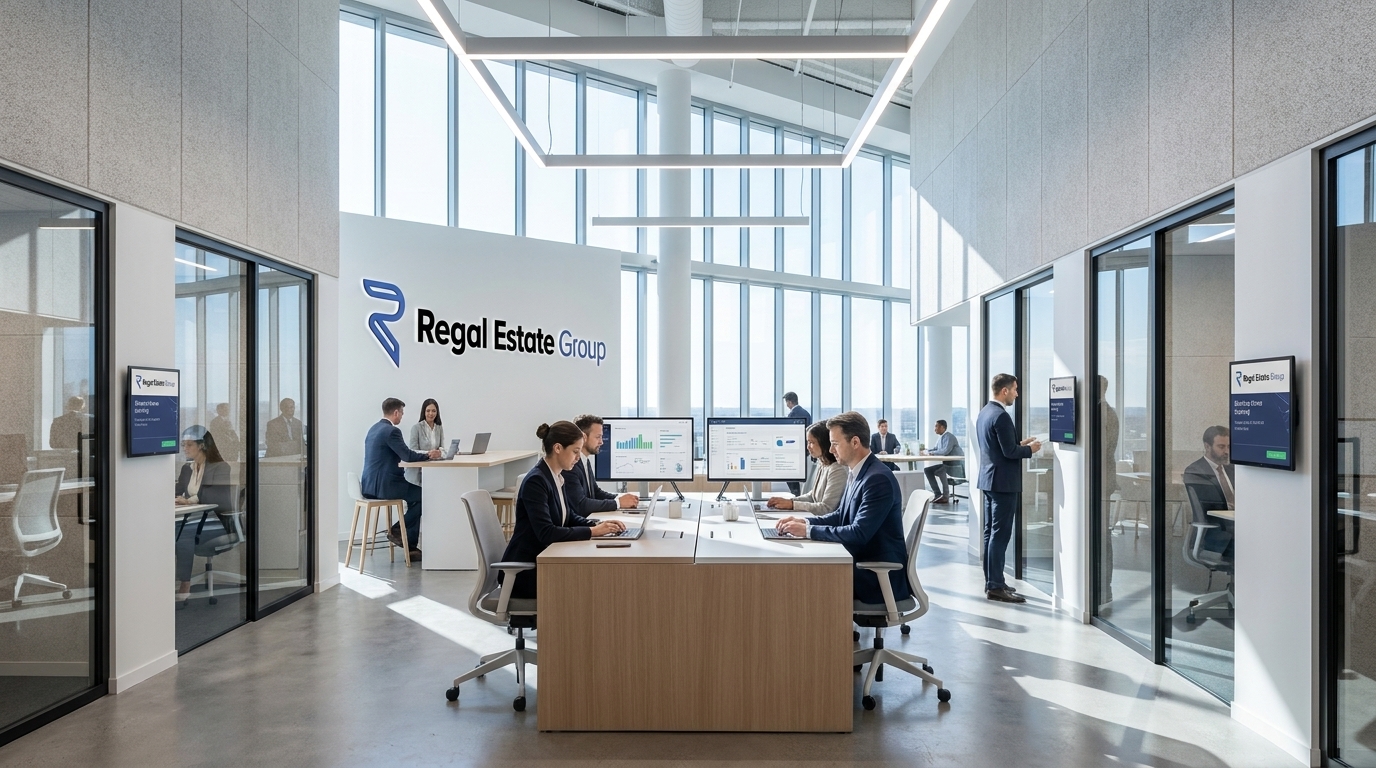
Beyond the visual and digital, the most memorable branded spaces engage all five senses to create a powerful and lasting emotional connection. This practice, known as sensory architecture or sensory branding, involves carefully curating the tactile, auditory, and olfactory elements of an environment to reinforce brand identity. The choice of materials is fundamental; the cool, smooth feel of polished concrete might evoke modernity and strength for a tech company, while the warm, textured grain of natural wood could communicate craftsmanship and heritage for an artisanal brand. Sound is equally crucial. A custom-designed soundscape, featuring ambient music or subtle, nature-inspired sounds, can significantly influence mood and perception, reducing stress and encouraging visitors to linger. Scent marketing is perhaps the most direct route to memory and emotion. A unique, subtle fragrance diffused throughout a space—such as the scent of leather in a luxury boutique or a refreshing citrus aroma in a wellness center—can become an unforgettable part of the brand’s signature. The logistical challenge is to deploy these sensory elements with consistency and subtlety. The goal is not to overwhelm but to create a cohesive and immersive atmosphere where every detail, from the texture of a handrail to the ambient scent in the air, works in concert to tell the brand’s story on a subconscious, emotional level.
Measuring the experience: the new ROI of branded spaces
In the age of dynamic and experiential environments, traditional metrics like foot traffic and sales-per-square-foot are no longer sufficient to measure success. The return on investment (ROI) for a modern branded space must also account for engagement, sentiment, and brand lift. The same technologies that enable personalization also provide a wealth of data for measuring impact. Dwell time, tracked by sensors, can reveal which installations are most captivating. Heat maps can show visitor flow, helping to optimize layouts for better engagement. Interaction rates with touchscreens or AR features provide direct feedback on what resonates with the audience. Beyond in-space analytics, the impact can be measured by monitoring social media. Tracking the volume of posts, the sentiment of the comments, and the use of branded hashtags provides invaluable insight into how the experience is being perceived and shared online.
By analyzing this new class of data, brands can move from making assumptions to understanding precisely how their physical environment influences customer behavior and perception.
This allows for iterative improvement, enabling designers and logisticians to refine the experience over time. Ultimately, the new ROI is a holistic metric that combines tangible sales data with intangible but crucial indicators of brand health, such as customer loyalty, positive sentiment, and share of voice in the digital conversation.
Conclusion
The art of branding a space has fundamentally transformed from a static monologue into a dynamic, multi-sensory dialogue. The future belongs to brands that can skillfully weave together physical design and digital experience to create responsive, personalized, and purposeful environments. This requires a new level of strategic integration between design and logistics, where every choice—from the sourcing of sustainable materials to the calibration of a scent diffuser—is made with intention. The rise of the phygital ecosystem, powered by AI and grounded in sensory architecture, allows brands to connect with consumers on a deeper, more emotional level. By embracing data to both personalize and measure these experiences, companies can create spaces that not only look impressive but also deliver a quantifiable return on engagement and loyalty. As we move forward, the most successful brand environments will be those that are not just built, but are alive—constantly adapting, learning, and evolving to create a truly unforgettable and authentic brand story that visitors can step into and become a part of.