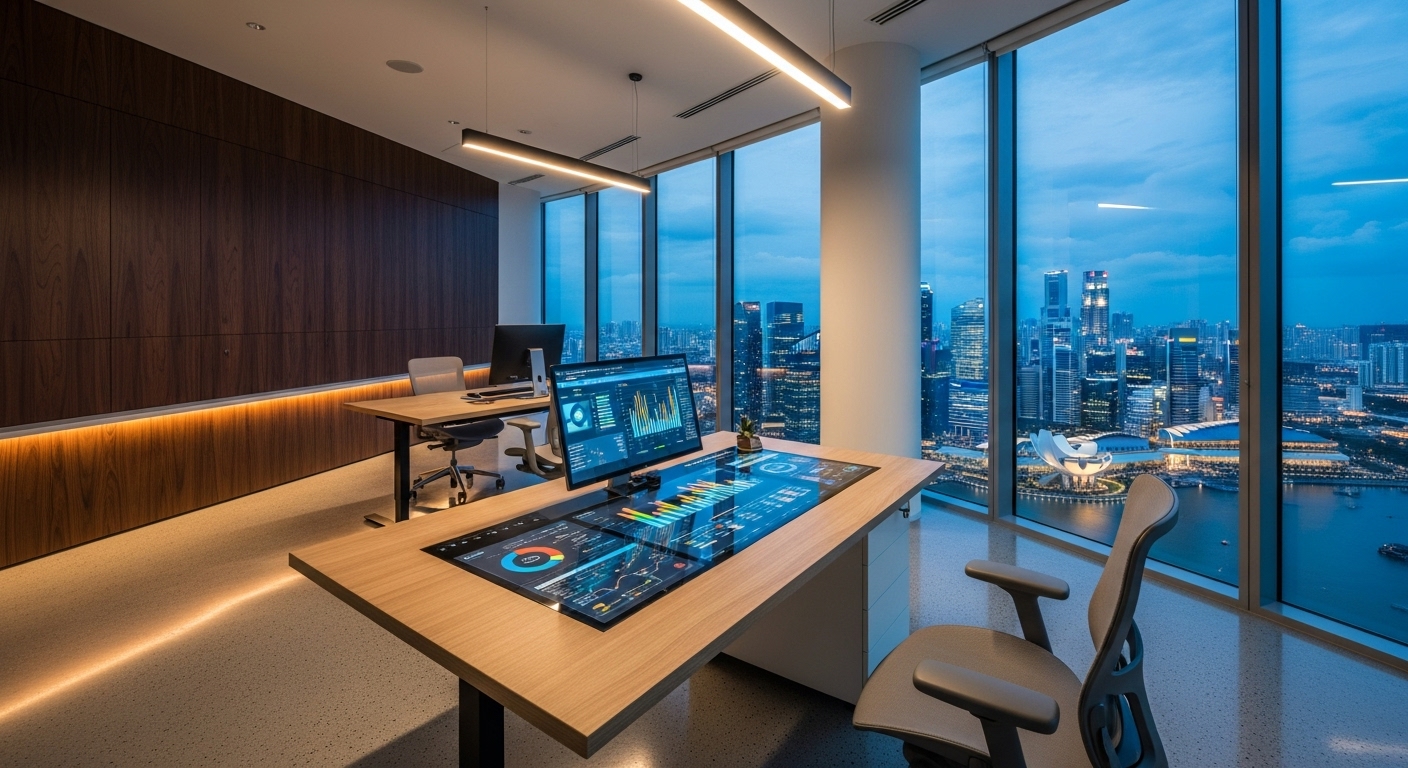
In the heart of Singapore’s bustling financial district, the stakes for operational excellence have never been higher. For businesses to thrive, a meticulously planned and executed IT infrastructure is not just an advantage; it’s the fundamental backbone of success. The convergence of technology, workspace design, and logistics has created a new paradigm for the modern office. Recent trends show a seismic shift towards smart, agile, and secure environments that can support the dynamic needs of a hybrid workforce. This guide delves into the strategic integration of IT and design, offering a comprehensive framework for setting up an office that is not only technologically advanced but also resilient, efficient, and perfectly attuned to the prestigious commercial landscape of Marina Bay. We will explore the critical components, from foundational network architecture to the deployment of smart office technologies and robust cybersecurity measures, providing a playbook for building a future-proof workspace.
The blueprint for agility: integrating flexible design and IT
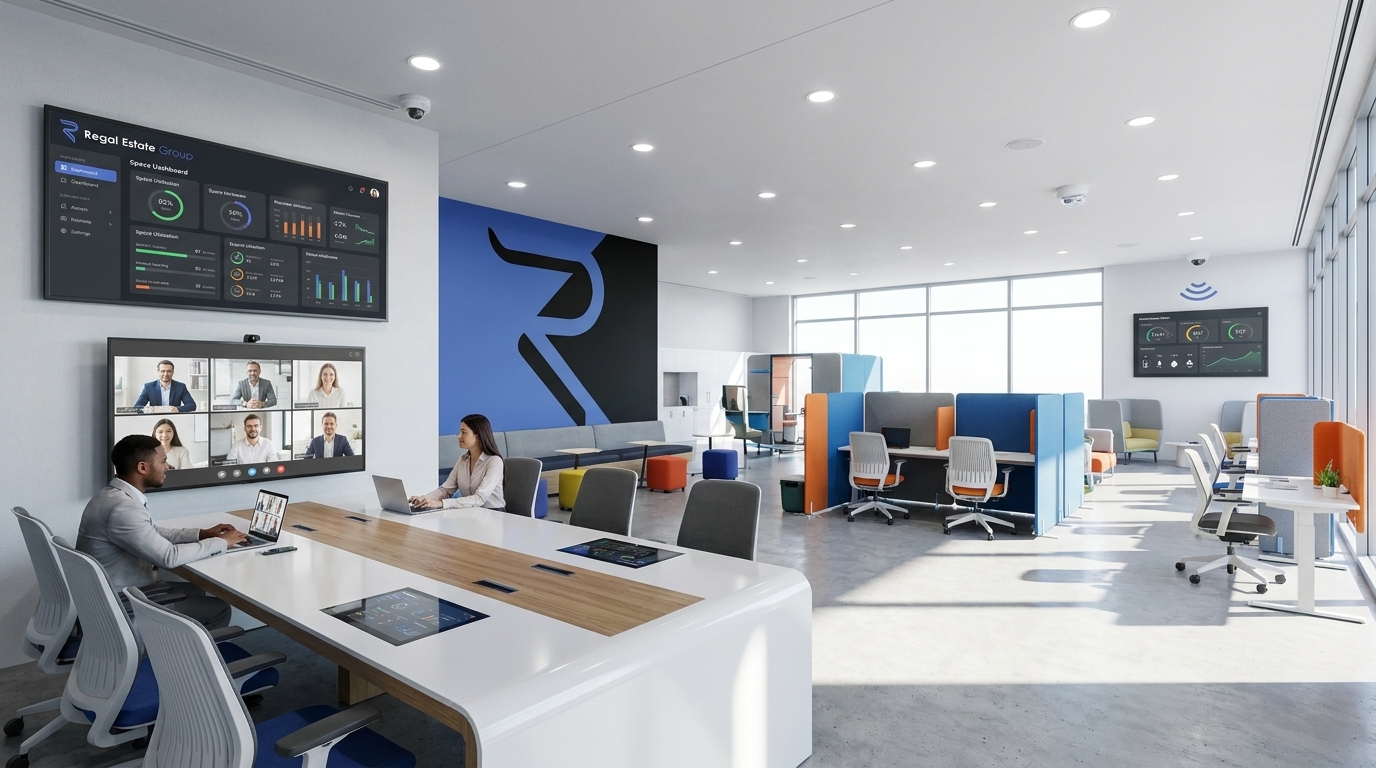
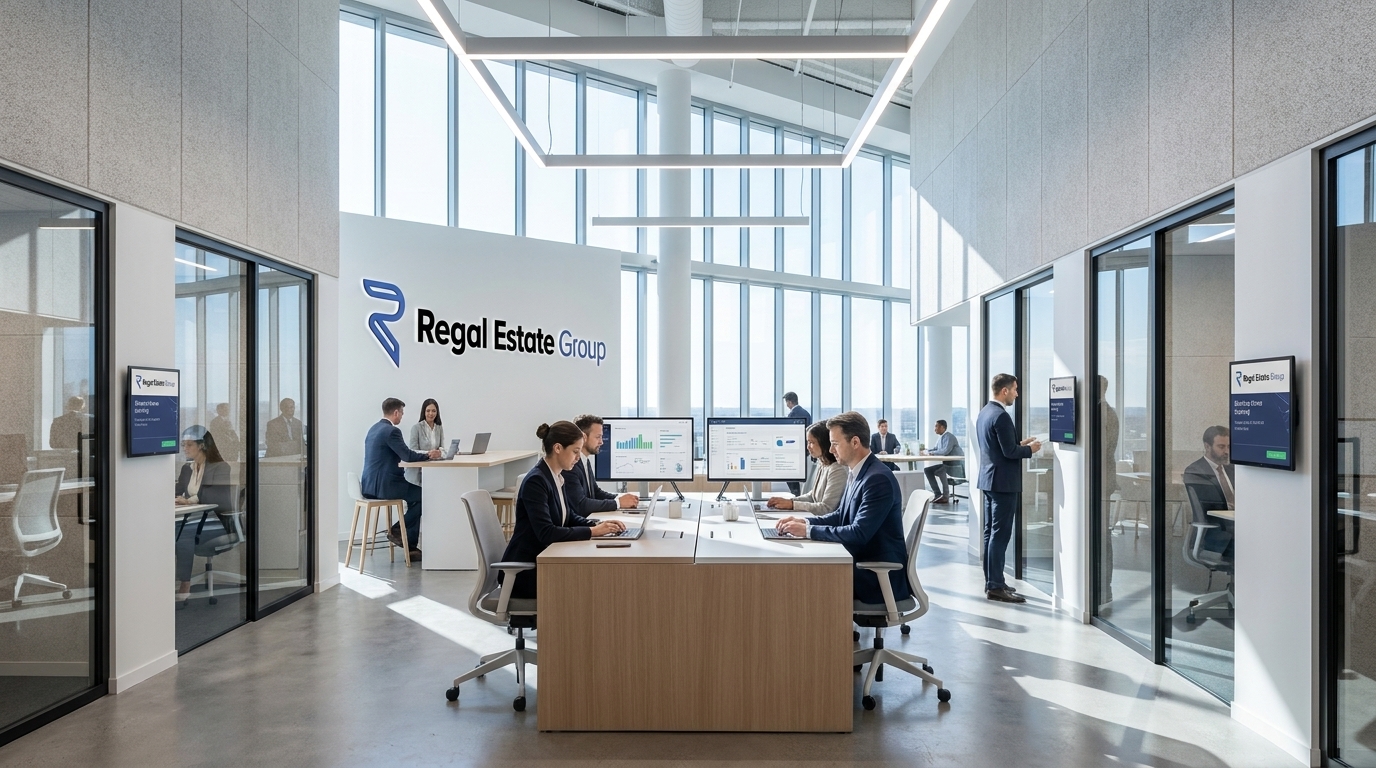
The modern office is no longer a static collection of desks and cubicles; it is a dynamic environment designed for adaptability. The rise of hybrid work models has accelerated the adoption of flexible design principles, such as hot-desking, activity-based working zones, and reconfigurable meeting spaces. This fluidity, however, is entirely dependent on an equally flexible IT infrastructure. The logistics of this integration begin at the most fundamental level: cabling and connectivity. A successful setup requires a robust structured cabling system that provides high-speed data access at any potential workspace. This means planning for a density of network ports far greater than in traditional layouts and leveraging powerful, centrally managed Wi-Fi networks that provide seamless coverage throughout the entire space. Furthermore, the choice of hardware must align with this agile philosophy. Laptops, universal docking stations, and wireless peripherals become standard issue, freeing employees from the constraints of a single assigned desk. The IT and facilities teams must work in lockstep to ensure that power and data are accessible, reliable, and unobtrusive, forming an invisible yet essential foundation that empowers a truly flexible and productive work environment.
Building a fortress: next-generation cybersecurity for the modern workspace
As office environments become more connected and data flows more freely between on-site and remote locations, the cybersecurity landscape becomes exponentially more complex. For businesses in a global financial hub, the imperative to protect sensitive information is paramount. A modern IT setup must incorporate a multi-layered security strategy that goes far beyond traditional firewalls and antivirus software. This begins with implementing a zero-trust architecture, a security model that assumes no user or device is inherently trustworthy and requires strict verification for every access request. Advanced threat detection, powered by artificial intelligence and machine learning, is crucial for identifying and neutralizing sophisticated cyber threats in real-time. Furthermore, securing the vast network of Internet of Things (IoT) devices—from smart lighting to climate control sensors—is a critical consideration. Each device represents a potential entry point for attackers and must be isolated on a separate network segment with restricted access. Employee training on cybersecurity best practices, including phishing awareness and strong password hygiene, remains a vital component of this comprehensive defense, creating a human firewall that complements the technological one. In a district like Marina Bay, where financial and corporate data is the lifeblood of business, a proactive and sophisticated cybersecurity posture is non-negotiable.
The intelligent core: leveraging cloud services and data management
The operational agility required to compete today is powered by the cloud. A ‘cloud-first’ strategy has become the standard for new IT setups, providing unparalleled scalability, flexibility, and cost-efficiency. By migrating services such as email, file storage, and enterprise applications to a secure cloud provider, businesses can reduce their reliance on bulky on-premise servers, freeing up physical space and reducing capital expenditure on hardware. This approach is instrumental in supporting a hybrid workforce, allowing employees to access the same data and tools seamlessly whether they are in the office, at home, or traveling. The logistics of this transition involve careful planning around data migration, ensuring zero downtime and maintaining data integrity. An effective data management strategy is the other half of the equation. This includes establishing clear policies for data classification, retention, and backup. Using a centralized, cloud-based management platform allows IT administrators to enforce security policies, manage user access, and monitor the health of the entire IT ecosystem from a single dashboard, ensuring both security and operational efficiency are maintained at the highest level.
Automating the environment: smart office technology and IoT
The concept of the smart office has moved from a futuristic novelty to a practical necessity for enhancing efficiency and employee experience. The integration of IoT devices can transform a static workspace into a responsive, intelligent environment. For instance, IoT sensors can monitor space utilization in real-time, providing valuable data that helps businesses optimize their floor plans and understand how different areas are being used. This data-driven approach allows for smarter decisions on real estate needs and workspace design. Smart lighting and climate control systems can automatically adjust based on occupancy and time of day, significantly reducing energy consumption and contributing to sustainability goals—a key priority for companies in a green-focused city. In a competitive business district like Marina Bay, these technological enhancements are powerful differentiators. Other integrations, such as smart room booking systems that sync with employees’ calendars and automated visitor management systems, streamline daily administrative tasks, freeing up valuable time and reducing friction for both employees and guests. The successful deployment of these technologies relies on a robust and secure underlying network capable of handling a high volume of connected devices.
Seamless collaboration: unifying communication for a hybrid workforce
In an era where team members are often geographically dispersed, the right collaboration tools are the glue that holds an organization together. A modern IT setup must prioritize a unified communications (UC) platform that integrates video conferencing, instant messaging, and voice-over-IP (VoIP) telephony into a single, intuitive interface. This eliminates the need for employees to juggle multiple applications and ensures a consistent user experience across all devices, from conference room systems to individual laptops and smartphones. The design and logistics of meeting rooms are critical to this strategy. Spaces must be equipped with high-quality cameras, microphones, and displays that are simple to operate, allowing for hybrid meetings where both in-person and remote participants can engage effectively. Acoustic treatments to reduce echo and soundproofing are also essential design considerations. The IT infrastructure must provide sufficient bandwidth to support high-definition video streams without lag or interruption, which is a foundational requirement for productive remote collaboration. Ultimately, the goal is to erase the distinction between being physically present and joining remotely, fostering a culture of seamless interaction and equitable participation for the entire team.
Execution and support: the logistics of IT deployment and lifecycle management
A brilliant IT strategy is only as good as its execution. The physical deployment of technology is a complex logistical challenge that requires meticulous planning and project management. This process involves coordinating with multiple vendors, including internet service providers, cabling installers, and hardware suppliers. A phased rollout plan, starting with the core network infrastructure and followed by workstations and peripherals, can minimize disruption. Detailed documentation of the entire setup, including network diagrams and asset inventories, is essential for future troubleshooting and maintenance. Beyond the initial setup, a proactive approach to IT lifecycle management is crucial for long-term success. This involves a strategy for regular hardware refreshes, software updates, and patching to ensure systems remain secure and performant. Establishing a relationship with reliable IT support vendors is vital, especially for businesses that do not have a large internal IT team. For companies operating in the dynamic environment of Marina Bay, having access to responsive and expert technical support ensures that any operational issues are resolved quickly, minimizing downtime and protecting productivity. This final logistical piece is the key to ensuring the entire technology ecosystem remains a strategic asset rather than an operational burden.
Conclusion
The process of setting up a modern office is a strategic endeavor where IT, design, and logistics are inextricably linked. It’s about more than just providing computers and internet access; it’s about architecting an intelligent, secure, and flexible environment that can adapt to the future of work. From the foundational layers of network infrastructure and cybersecurity to the user-facing elements of smart office technology and unified collaboration tools, every component must work in concert. For businesses aiming to establish a strong presence and compete at the highest level, this strategic approach is fundamental. A well-executed IT setup becomes a powerful catalyst for innovation, productivity, and employee satisfaction. By embracing these principles, companies can build a workspace that not only meets the demands of today but is also primed for the challenges and opportunities of tomorrow, solidifying their position as leaders in their field. The initial investment in a meticulously planned technological and design ecosystem pays long-term dividends in operational resilience and competitive strength.