In an era where company culture and brand identity are paramount, the physical workspace has evolved from a mere operational necessity into a powerful communication tool. As businesses navigate the nuances of hybrid work and the renewed importance of in-person collaboration, the office is no longer just a place to work; it’s a destination that should inspire, engage, and immerse employees and clients in your brand’s story. Moving beyond a simple logo in the lobby, today’s leading companies are creating experiential environments that tangibly express their values and vision. This strategic approach to design and logistics transforms four walls and a roof into a living, breathing asset that can attract top talent, foster innovation, and drive business growth. This guide will explore the practical steps and strategic insights needed to turn your workspace into a true reflection of your brand’s identity, making it one of the most effective tools in your arsenal.
Defining your brand’s physical identity
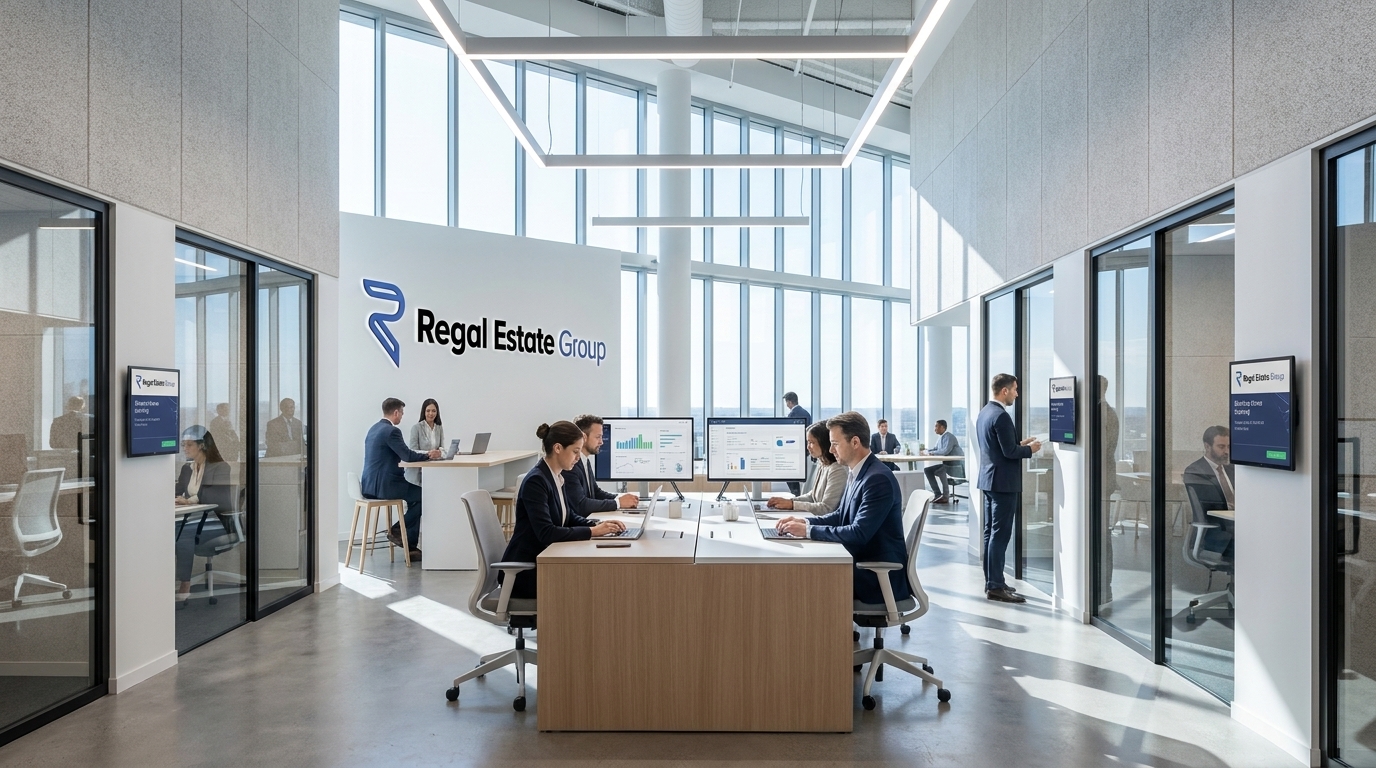
Before a single wall is painted or a piece of furniture is chosen, the first and most critical step is to deeply understand and define the story your space needs to tell. This process goes beyond aesthetics; it’s about translating your core brand identity into a three-dimensional experience. Start by revisiting your company’s mission, vision, and values. Are you an innovative tech firm that values transparency and rapid collaboration? Or are you a financial institution that prioritizes trust, security, and quiet diligence? These foundational principles are the bedrock of your design language. For instance, a culture of transparency might translate into glass walls and open-concept layouts, while a brand focused on heritage and stability could use materials like dark wood, brass, and stone. It’s crucial to distill your brand essence into a few key themes or emotions. Do you want people to feel energized, calm, inspired, or secure when they walk through your doors? Involving key stakeholders from different departments in this initial phase can provide a more holistic perspective, ensuring the final design resonates across the entire organization. The goal is to create a clear blueprint that connects every design choice back to a core brand value, ensuring the physical environment consistently reinforces who you are as a company.
Beyond the logo: using color and materials effectively
While your logo is a key brand element, its application is just the beginning. The sophisticated use of color and materials is what truly brings a branded space to life, creating a subconscious and powerful connection with your identity. Color psychology plays a significant role here; blues can evoke feelings of trust and stability, greens can promote a sense of calm and sustainability, while vibrant colors like yellow or orange can spark energy and creativity. However, it’s not about painting every wall in your primary brand color. Instead, use it strategically within a broader, more nuanced palette. Accent walls, furniture, textiles, and even acoustic panels can introduce brand colors in a way that feels integrated and intentional. Materials are equally important in conveying your brand’s personality. The ‘resimercial’ trend, blending residential comfort with commercial functionality, is popular for a reason. Soft-touch fabrics, warm woods, and ambient lighting can make a space feel more inviting and human-centric, aligning with brands that value employee well-being. Conversely, sleek concrete, exposed metal, and raw industrial elements can communicate a culture of innovation, agility, and transparency. The key is to create a tactile experience that complements the visual one, ensuring the look and feel of your space are in perfect harmony with the brand message you want to convey.
Creating an experiential journey for visitors and employees
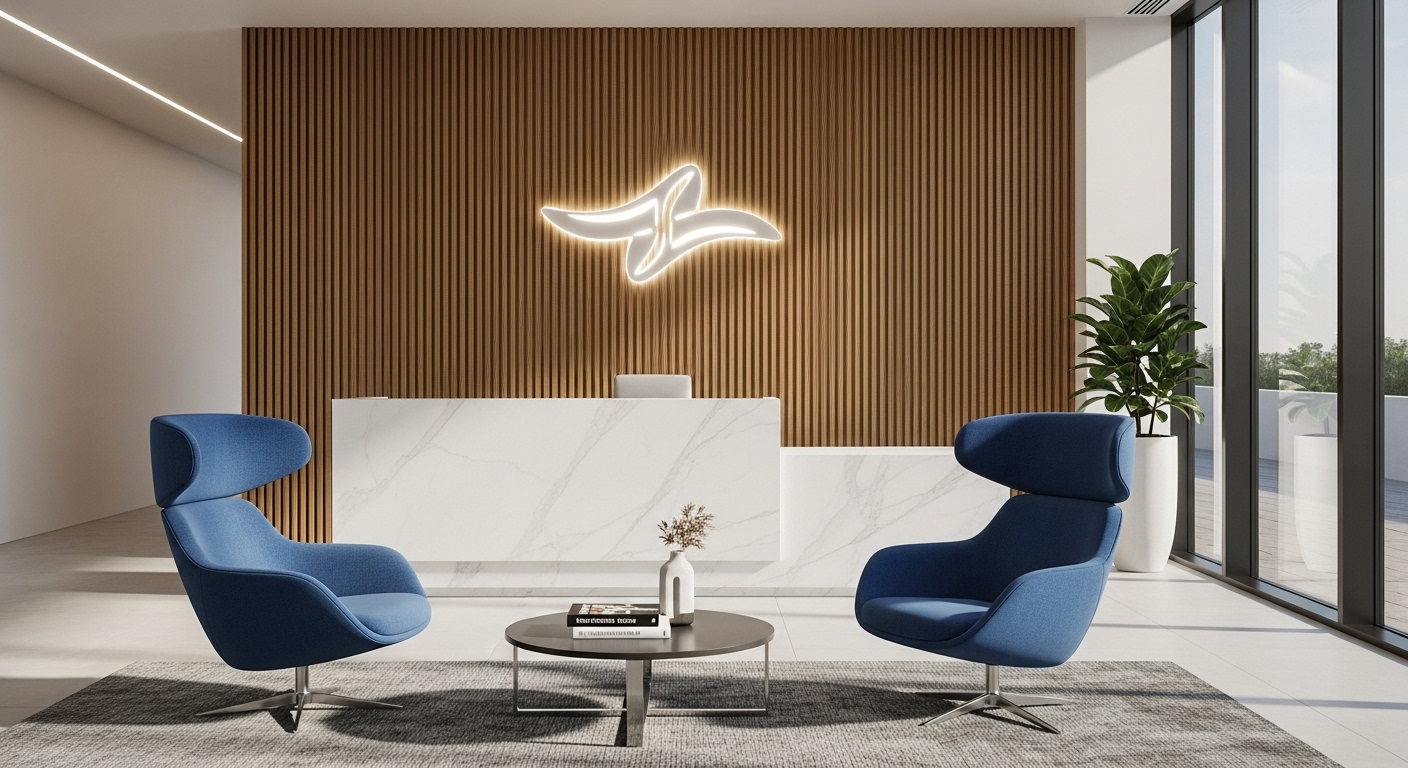
A branded workspace should tell a story, and that story begins the moment someone walks through the door. Think of your office as a journey with distinct touchpoints, each offering an opportunity to reinforce your brand identity. The reception area is the prologue. It should make an immediate and lasting impression, setting the tone for the entire experience. This can be achieved through a striking feature wall, interactive digital displays sharing company milestones, or comfortable, well-designed seating that reflects your brand’s hospitality. As employees and guests move deeper into the space, the journey continues. Hallways can be transformed from simple thoroughfares into galleries showcasing company history, employee achievements, or brand values through environmental graphics. Meeting rooms, often named after company-specific themes, can be designed to foster different types of interaction—from creative brainstorming spaces with writable walls to more formal boardrooms that exude professionalism. Breakout areas and cafes should feel like cultural hubs, encouraging social interaction and collaboration. The entire flow of the office, from entry to exit, should be a curated experience that immerses individuals in your company’s world, making them feel like a part of the narrative rather than just a visitor in a building.
Integrating technology to enhance the branded environment
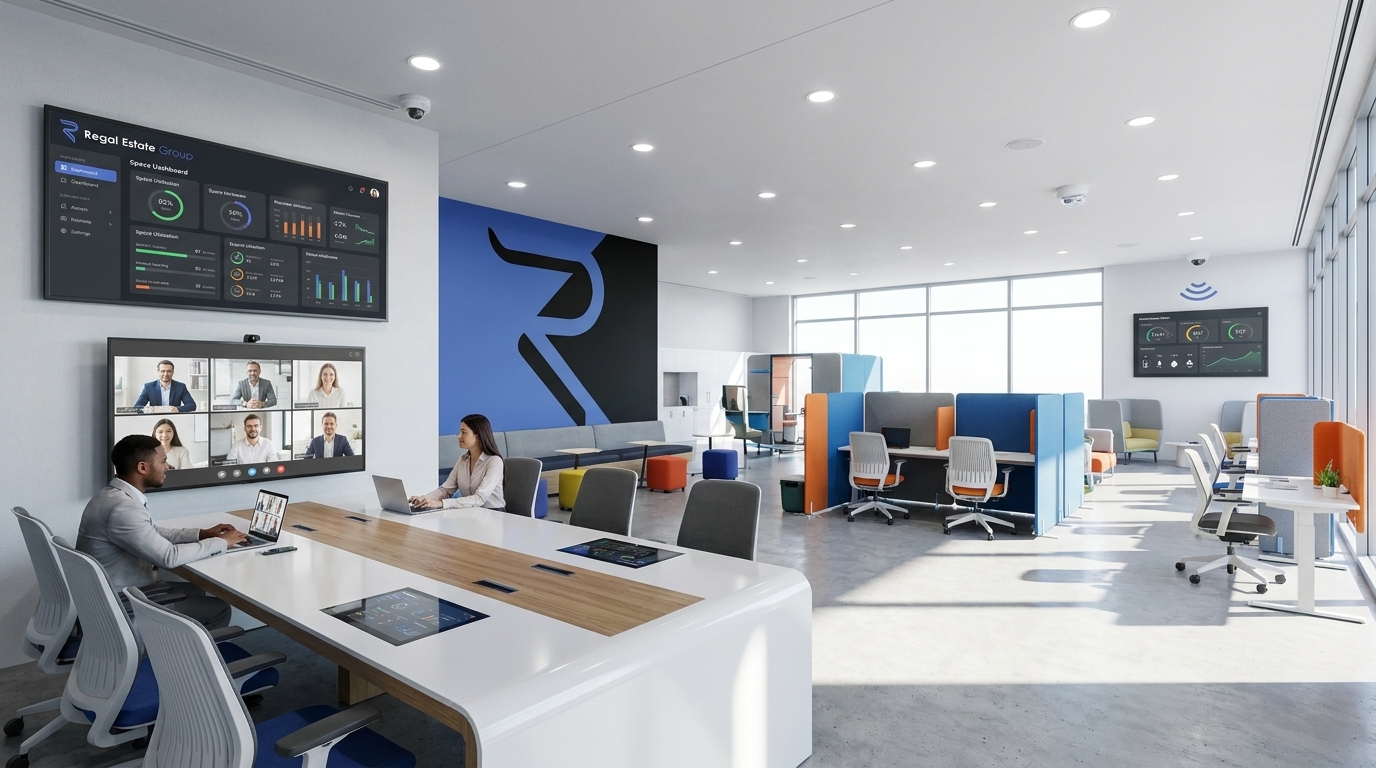
In today’s digital-first world, technology is a critical layer in the branding of a physical space. When integrated thoughtfully, it can create dynamic, interactive, and seamless experiences that amplify your brand message. Digital signage, for instance, offers a flexible canvas to showcase welcome messages for clients, celebrate employee successes, display real-time company data, or stream brand videos. This keeps the environment fresh and responsive. Interactive installations, such as touch screens detailing the company’s history or a digital mosaic of employee photos from around the globe, can create engaging focal points that invite participation. Beyond displays, technology can be woven into the very fabric of the building to reflect a brand’s commitment to innovation and efficiency. Smart office systems that allow employees to book desks, control lighting, and adjust temperature from an app can demonstrate a culture of empowerment and cutting-edge thinking. For a global brand, high-quality video conferencing tools and collaboration platforms are essential for reinforcing a sense of unity between in-office and remote teams. The goal is not to use technology for its own sake, but to leverage it as a tool to make the brand experience more immersive, connected, and reflective of a forward-thinking organization.
Furniture and layout as extensions of your company culture
The layout of your office and the furniture you choose are powerful, non-verbal communicators of your company’s culture. An open-plan layout with numerous collaborative zones, breakout lounges, and shared project tables sends a clear message that you value teamwork, transparency, and open communication. This design encourages spontaneous interactions and breaks down departmental silos. Conversely, a design that prioritizes private offices and quiet, high-walled workstations communicates a focus on individual concentration and a more hierarchical structure. The rise of hybrid work has made flexibility paramount. Providing a variety of work settings—from quiet pods for focused tasks and comfortable lounge areas for informal chats to traditional desks and high-tech meeting rooms—empowers employees with choice and autonomy. This ‘activity-based working’ model shows that you trust your team to choose the environment that best suits their needs. The furniture itself is an extension of this. Modular sofas, movable whiteboards, and height-adjustable desks are not just functional; they are tools that enable agility and adaptability, reflecting a modern, dynamic corporate culture. By aligning your spatial design and furniture choices with your cultural values, you create an environment that doesn’t just house your employees, but actively supports the way you want them to work.
Measuring the ROI of a branded workspace
Investing in a branded workspace is a significant undertaking, and like any business decision, its success can and should be measured. While the aesthetic improvements are immediate, the true return on investment (ROI) is seen in tangible business metrics over time. One of the most critical areas of impact is in talent acquisition and retention. A thoughtfully designed office is a powerful recruiting tool. Tracking metrics like your offer acceptance rate and time-to-fill positions before and after the redesign can reveal a significant return. As one analysis points out, a strong employer brand can reduce employee turnover by up to 28%.
Organizations with highly engaged employees report a 21% increase in profitability.
Employee engagement and productivity are also key indicators. Post-implementation surveys, such as an Employee Net Promoter Score (eNPS), can provide direct feedback on how the new space is affecting morale and satisfaction. This often correlates with improvements in productivity and a decrease in absenteeism. Furthermore, a branded environment can elevate client perception. Tracking client feedback and even conversion rates for prospects who visit the office can demonstrate the space’s impact on business development. By establishing baseline metrics before you begin, you can effectively quantify the immense value that transforming your office into a true brand asset delivers to the bottom line.
In conclusion, branding your space is a strategic imperative in the modern business landscape. It’s a holistic process that extends far beyond surface-level decoration, touching every aspect of your company’s physical presence. By deeply defining your brand’s identity and translating it into a tangible, three-dimensional experience through the deliberate use of color, materials, and technology, you create more than just an office. You build a destination. This destination becomes a powerful tool for storytelling, immersing both employees and clients in your company’s culture and values from the moment they arrive. The right layout and furniture choices don’t just facilitate work; they actively support and reinforce the collaborative, innovative, and flexible culture you aim to cultivate. While this transformation requires investment, the returns are clear and measurable, manifesting in improved talent acquisition, higher employee engagement and retention, and a stronger brand image. Ultimately, a well-branded workspace is not an expense; it is a vital asset that works continuously to strengthen your culture, inspire your people, and drive your business forward.