In the hyper-competitive landscape of Manhattan and its surrounding boroughs, a brand’s physical presence is more than just a place of business—it’s a statement. Gone are the days when a logo in the lobby sufficed. Today, successfully branding your space means creating an immersive, multi-sensory experience that communicates your company’s ethos from the moment someone steps through the door. This shift towards experiential branding is particularly crucial in a city that sets global trends. For companies looking to attract top-tier talent and captivate sophisticated clients, the office environment itself has become a powerful tool in their branding arsenal. This guide will explore the essential strategies for transforming your workspace into a vibrant embodiment of your brand identity, covering everything from psychological design principles and sensory engagement to the logistical challenges of executing a flawless brand vision in a place as demanding as New York City.
The psychology of space: how design influences perception
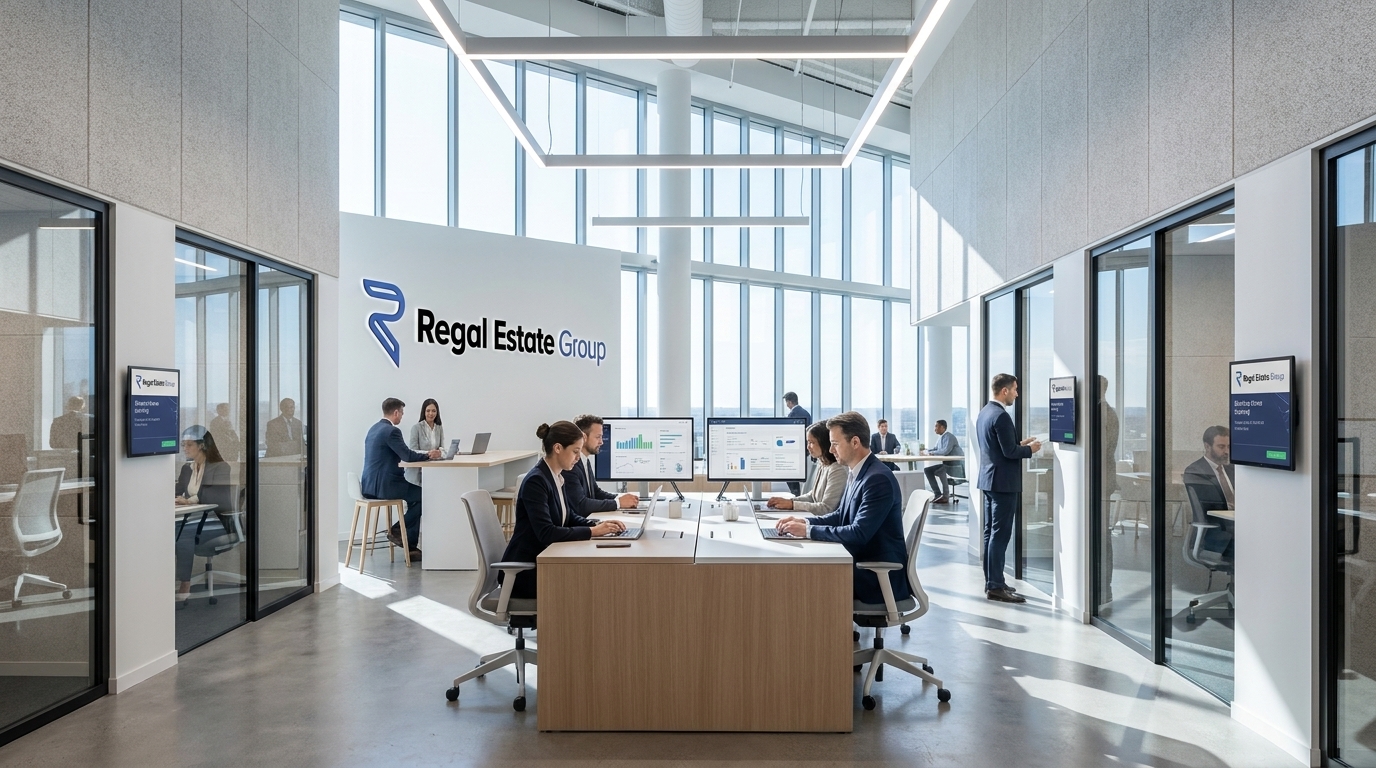
Every element within an office, from the color palette to the furniture layout, sends a subconscious message to employees and visitors. Understanding the psychology of space is the foundation of effective environmental branding. Color theory, for instance, plays a critical role; blues can evoke a sense of calm and productivity, making them suitable for focused work areas, while vibrant yellows or oranges can stimulate creativity and energy in collaborative zones. The choice of materials is equally impactful. Natural elements like wood and stone can ground a space and convey authenticity and sustainability, a growing trend in corporate design. Conversely, sleek metals and glass can project a modern, tech-forward image. The very flow and layout of an office dictate interaction and hierarchy. Open-plan designs can foster collaboration and transparency, while the inclusion of private nooks and quiet zones demonstrates a respect for deep work and individual needs. By consciously selecting these design elements to align with your core brand values, you begin to shape the perception of your company culture. It’s about creating a narrative where the physical environment consistently reinforces the story you want your brand to tell.
Translating digital brand identity into physical design
For many modern companies, brand identity is born in the digital realm—a carefully crafted website, a specific social media voice, a unique user interface. The challenge lies in translating this digital ethos into a three-dimensional experience. This process goes far beyond simply using your brand’s colors on the walls. It’s about capturing the *feeling* of your digital presence. If your website is known for its clean, intuitive user experience, your office should be easy to navigate, with clear signage and uncluttered pathways. If your brand voice is playful and energetic, consider incorporating interactive art installations or unique, unconventional furniture. Look at your digital assets for inspiration. Can the geometric patterns from your web design be incorporated into custom wall coverings or flooring? Can the iconography used in your app be transformed into physical wayfinding symbols? This consistency is key. When an employee or client moves from your website to your physical office, the transition should feel seamless. The environment should feel like a natural extension of the brand they already know, creating a cohesive and powerful brand journey across all touchpoints.
Experiential branding: creating memorable moments in your office
Experiential branding transforms a passive space into an active participant in your brand’s story. It’s about creating memorable, engaging moments that resonate on an emotional level. This could be as simple as a custom scent diffused throughout the office that becomes subconsciously associated with your brand, or a curated playlist that reflects your company’s energy. Technology offers a wealth of opportunities for creating these experiences. Interactive digital walls in the reception area could showcase company milestones, employee stories, or real-time data visualizations relevant to your industry. In a competitive market like New York City, where companies are vying for the best talent, these unique experiences can be a significant differentiator. Consider creating ‘destination’ areas within the office—a coffee bar that rivals a local artisan cafe, a library-like quiet zone for focused work, or a wellness room with meditation pods. These spaces do more than just serve a function; they provide an experience that tells employees they are valued and enhances their daily work life, ultimately strengthening their connection to the brand.
Localizing your brand: weaving the city spirit into your space
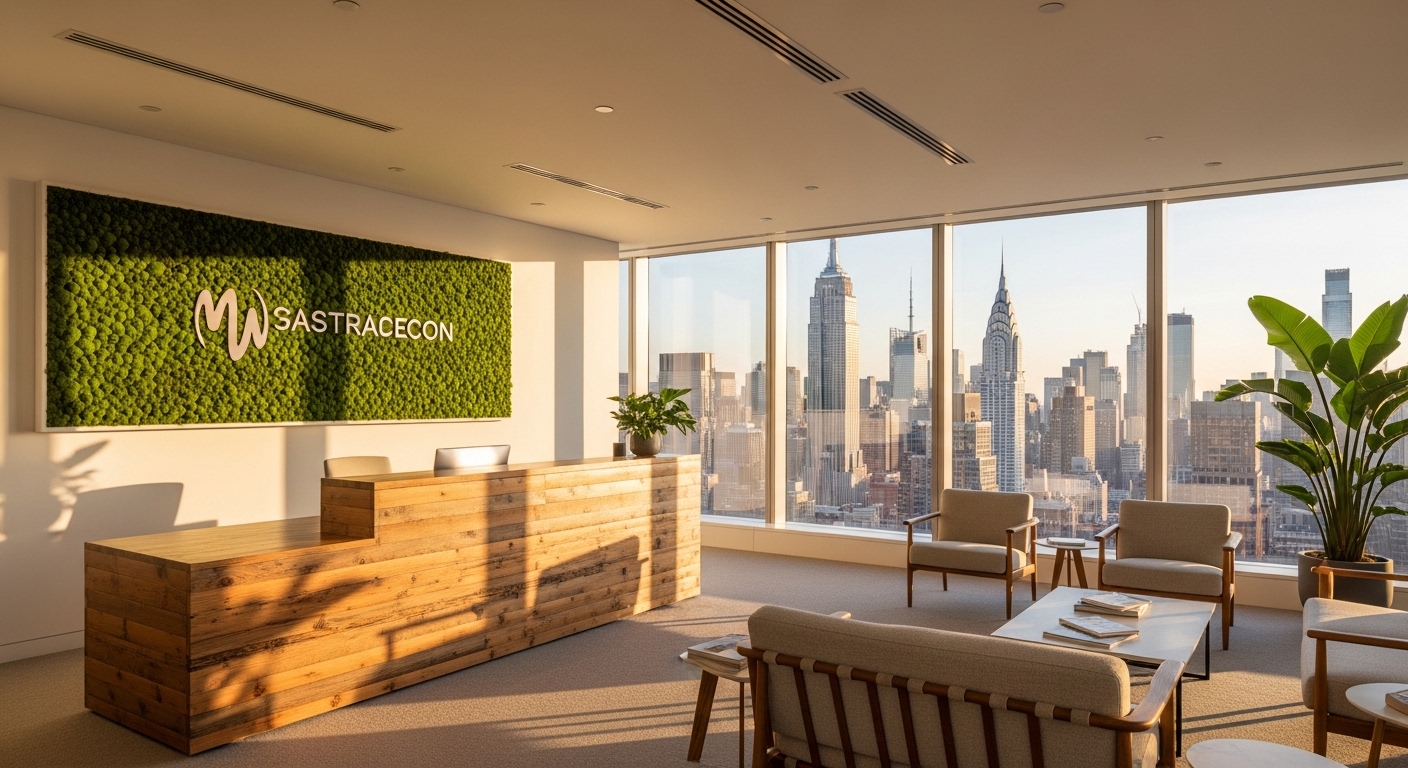
While maintaining a consistent global brand identity is important, the most impactful office designs acknowledge their local context. A workspace in the heart of the city should feel different from one in a suburban tech park. Weaving elements of the local culture into your design shows a commitment to and respect for the community. This can be achieved in numerous ways. Commissioning artwork from local artists to adorn the walls not only supports the local creative scene but also adds a unique, authentic flavor to your space. You can also draw inspiration from the city’s architectural history or iconic neighborhoods. Perhaps the textures and materials reflect the industrial heritage of the Meatpacking District, or the color palette is inspired by the vibrant energy of Times Square. Naming conference rooms after local landmarks or historical figures is another simple yet effective way to build a connection. This localization makes the office feel less like a generic corporate outpost and more like an integral part of the city’s fabric, creating a stronger sense of place for employees and a more authentic experience for visitors.
The role of technology in a branded environment
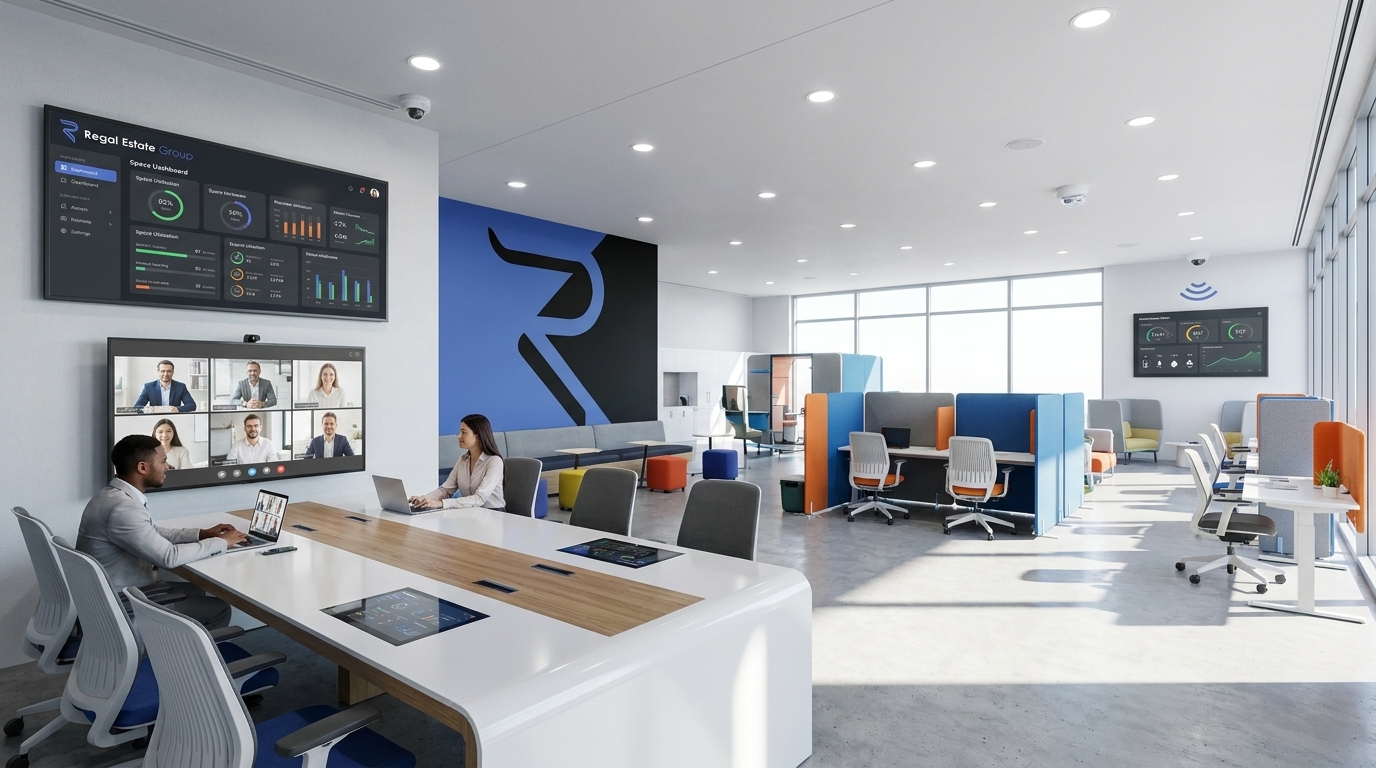
Technology is no longer just a tool for work; it’s a critical component of the branded environment itself. Smart office technology can be seamlessly integrated to enhance both functionality and brand experience. Imagine a system where the lighting and temperature automatically adjust to optimal levels for productivity, reinforcing a brand value of employee well-being. Digital displays can be used for more than just presentations; they can be dynamic brand storytellers, displaying company news, celebrating team successes, or featuring client testimonials. This integration must be purposeful and user-friendly. Clunky or unreliable tech can quickly frustrate users and detract from the brand experience. The goal is to use technology to create a seamless, intuitive, and impressive environment. For example, a visitor management system that sends a personalized welcome message upon arrival or a mobile app that allows employees to easily book rooms and navigate the office can elevate the perception of the company as efficient, modern, and forward-thinking, reinforcing key brand attributes through practical application.
Logistics and execution: partnering with the right team
A brilliant branding concept is only as good as its execution. The logistical complexity of a major office fit-out, especially in a dense urban environment, cannot be overstated. The process involves coordinating with a multitude of stakeholders, including architects, interior designers, construction crews, IT specialists, and furniture suppliers. Success hinges on meticulous planning and partnering with a team that has a deep understanding of the local landscape and regulations. It’s crucial to select partners who not only grasp your aesthetic vision but also have a proven track record of delivering projects on time and within budget. Thoroughly vet potential partners by reviewing their portfolios, checking references, and ensuring they have experience with projects of a similar scale and complexity. A strong project manager is essential to serve as the central point of communication, ensuring that every detail, from the placement of electrical outlets to the installation of custom graphics, aligns perfectly with the overall brand strategy. A flawlessly executed project ensures that the final space is not only beautiful and on-brand but also fully functional and ready to support your business from day one.
Measuring the ROI of a well-branded workspace
Investing in a comprehensive office branding strategy requires significant capital, and stakeholders will rightly want to understand the return on that investment (ROI). While some benefits are intangible, they are no less valuable. Key metrics to track include employee engagement and retention rates. A well-designed, on-brand office can boost morale and create a stronger sense of belonging, reducing costly employee turnover. Another key area is talent acquisition; your workspace is often a primary tool in the recruitment process, and a compelling environment can be the deciding factor for a top candidate. Brand perception among clients and partners is also a critical measure. A space that clearly communicates professionalism, creativity, and success can directly impact business development and client confidence. To quantify these impacts, consider using employee surveys to gauge satisfaction with the new environment, tracking metrics from your HR department on recruitment and retention, and gathering feedback from clients during visits. Over time, the investment in a branded workspace manifests as a more engaged workforce, a stronger brand reputation, and a tangible competitive advantage in the bustling market of New York City.
Ultimately, branding your space is a strategic investment in your company’s culture, identity, and future success. It’s about creating a physical manifestation of your brand’s promise, a place where employees are inspired to do their best work and clients feel a powerful connection to your mission. By thoughtfully considering the psychology of your design, seamlessly integrating your digital and physical identity, and creating memorable experiences, you can transform your office from a mere collection of desks and chairs into your most powerful branding asset. In a city that demands excellence, a well-branded workspace is not a luxury; it’s a necessity for any company poised for growth and lasting impact.