In today’s digitally-driven landscape, the construction of a new office is as much an exercise in technological architecture as it is in physical design. Gone are the days when IT setup was an afterthought, a task relegated to running cables after the walls were painted. The modern workspace demands a holistic approach where technology is woven into the very fabric of the building. Recent trends, accelerated by the shift to hybrid work models, emphasize the need for agile, secure, and scalable infrastructures. Businesses now require intelligent networks that can be managed proactively with AI, security frameworks that operate on a ‘never trust, always verify’ principle, and a physical layout that seamlessly supports a high density of connected devices. This guide provides a comprehensive blueprint for integrating IT infrastructure with design logistics, ensuring your new workspace is not just built for today, but engineered for tomorrow. We will navigate the critical path from foundational planning and structured cabling to implementing a hybrid cloud strategy and a zero-trust security posture.
The foundational handshake: aligning IT with architectural design
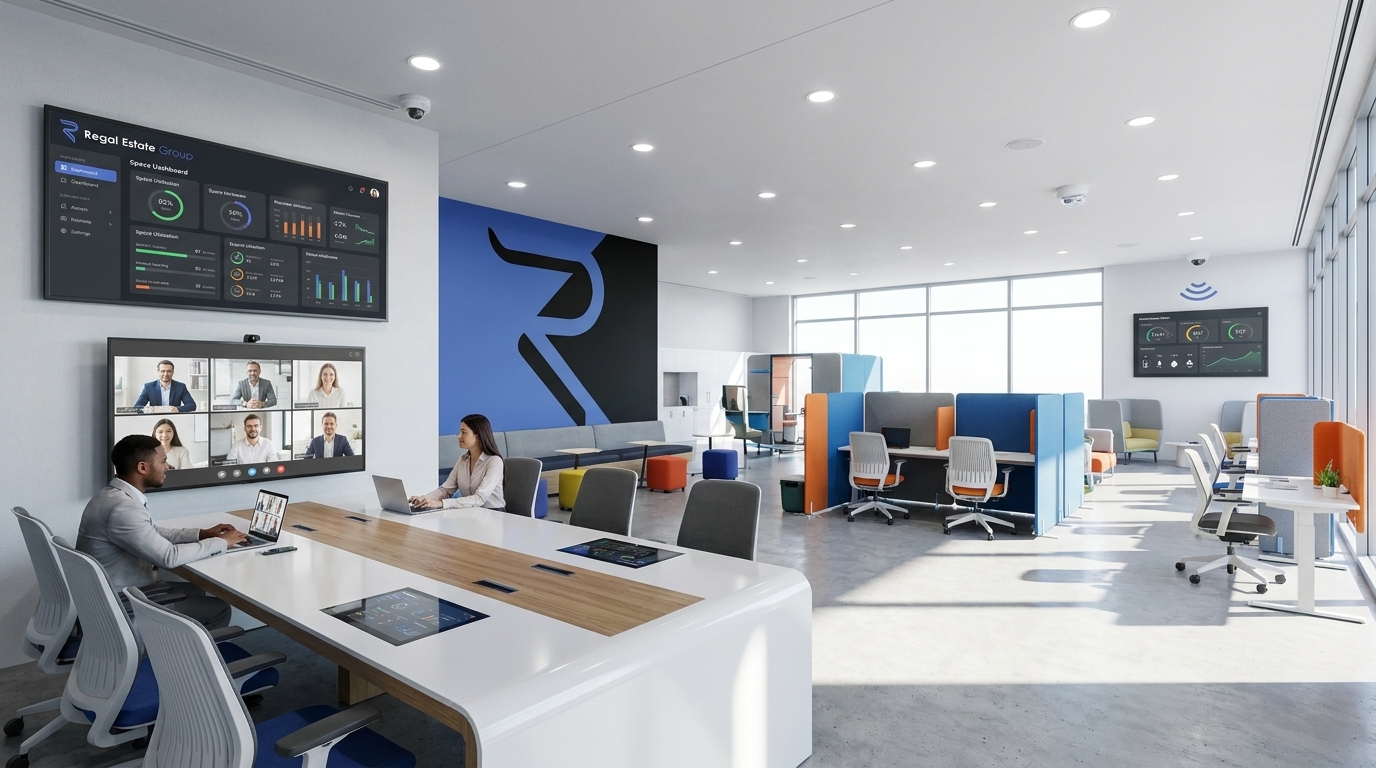
The most critical phase of any office IT setup occurs long before the first server is unboxed. It begins with a strategic alignment between the IT department, facilities management, and architectural designers. This foundational handshake is essential to prevent costly retrofitting and ensure the physical space is optimized for technological performance. The process should start with a detailed analysis of the architectural floor plans, where IT experts can map out the nerve center of the organization. This involves identifying the optimal location for a server room, considering factors like cooling, power supply, security, and potential for expansion. It’s also the stage to plan the placement of every network data jack, power outlet, and wireless access point. By overlaying a ‘digital blueprint’ onto the architectural one, you can ensure that connectivity is ubiquitous and accessible, from the open-plan desk areas to the private conference rooms. This early collaboration also allows for the integration of smart building technologies, such as IoT sensors for environmental control or automated lighting systems, which rely on the core IT network. Involving IT from day one transforms the infrastructure from a mere utility into a strategic asset that enhances the functionality and efficiency of the entire workspace, ensuring the design supports the technology, and the technology empowers the people within it.
Wiring the workspace: a modern approach to structured cabling
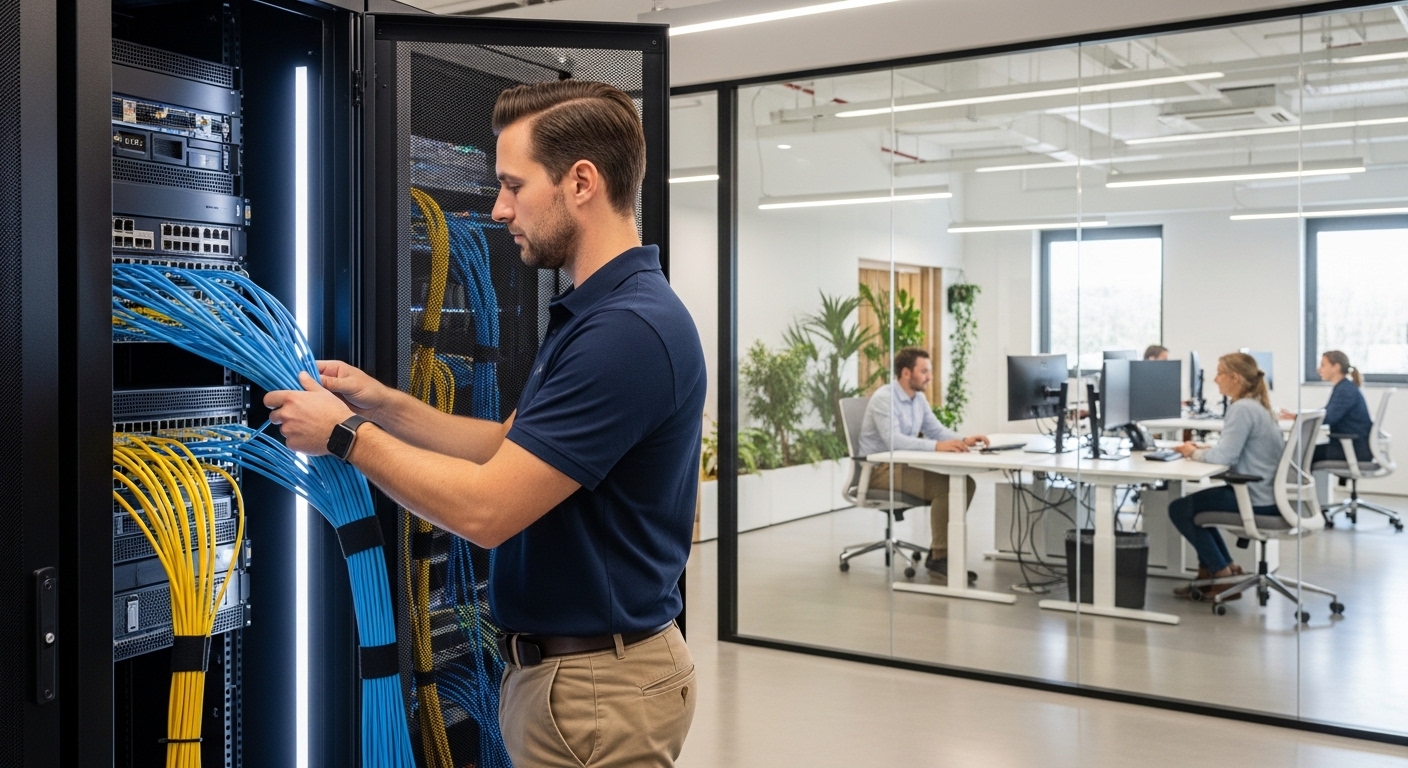
Structured cabling is the central nervous system of the modern office, yet its importance is often underestimated because it’s largely invisible. A well-designed cabling system is fundamental for reliable, high-speed connectivity and is a critical component of logistical planning. The primary decision revolves around the type of cabling to install. While Cat6 is a standard, forward-thinking designs should opt for Cat6A to support higher bandwidth needs or even fiber optic backbones for ultimate speed and future-proofing against the demands of next-generation applications. However, modern cabling is about more than just performance; it’s also about integration with the office aesthetic. In today’s open and collaborative workspaces, visible cable clutter is a significant disruption. Effective design logistics involve using integrated pathways like under-floor conduits, ceiling-mounted cable trays, and smart office furniture with built-in channels to keep wires completely out of sight. Another key trend is the increasing use of Power over Ethernet (PoE) technology. PoE allows a single ethernet cable to provide both data connectivity and electrical power to devices like VoIP phones, security cameras, and wireless access points. This dramatically simplifies the logistical challenge of deployment, reduces the need for separate electrical wiring, and provides greater flexibility in placing devices exactly where they are needed without being tethered to a traditional power outlet.
The central nervous system: designing a scalable network
With the physical wiring in place, the next layer of the blueprint is the active network hardware that will manage and direct data traffic. This is the office’s central nervous system, and its design must prioritize scalability, performance, and manageability. The core components include routers to connect to the internet, switches to connect devices within the office, and firewalls for security. The key to a modern network is planning for density and diversity. Today’s employees use multiple devices—laptops, smartphones, tablets—and the office itself contains a growing number of IoT devices. This requires a network that can handle a high volume of concurrent connections without compromising speed. A crucial part of this is implementing the latest Wi-Fi standards, such as Wi-Fi 6E or Wi-Fi 7, which operate on the 6GHz spectrum. As one recent analysis states,
This expansion into the 6GHz spectrum promises to deliver faster data transfers and a better user experience, especially in dense office environments.
Strategic placement of wireless access points, determined during the initial design phase, is critical to eliminate dead zones and ensure seamless coverage. Furthermore, businesses are increasingly exploring more flexible network management solutions. The rise of Network as a Service (NaaS) models offers a cloud-based approach to networking that reduces reliance on on-premise hardware and allows for greater agility and cost-efficiency, enabling businesses to scale their network capabilities up or down as needed.
On-premise vs. the cloud: a hybrid infrastructure strategy
A pivotal strategic decision in any modern IT setup is determining where your data and applications will live. The debate is no longer a simple choice between on-premise servers and the public cloud; instead, the prevailing trend is a sophisticated hybrid approach that leverages the best of both worlds. An on-premise server room provides complete control over data, enhanced security for sensitive information, and potentially lower latency for localized applications. This can be critical for industries with strict regulatory compliance requirements or those running performance-intensive workloads. However, managing a physical server room involves significant capital expenditure and ongoing maintenance. On the other hand, cloud services from providers like AWS, Azure, or Google Cloud offer unparalleled scalability, flexibility, and operational efficiency, allowing businesses to pay only for the resources they use. The optimal strategy for most companies is a hybrid model. This involves keeping critical data and core applications on-premise while utilizing the cloud for services like email, collaboration tools, data backups, disaster recovery, and hosting scalable, customer-facing applications. This approach allows a business to maintain control over its most valuable digital assets while harnessing the power and agility of the cloud, creating a resilient and cost-effective infrastructure that can adapt to changing business demands.
The modern fortress: integrating a zero trust security framework
In an era of distributed workforces and sophisticated cyber threats, the traditional security model of building a digital wall around the office perimeter is obsolete. The modern approach, and a critical component of any new IT infrastructure, is the implementation of a Zero Trust security framework. This model operates on a simple but powerful principle: never trust, always verify. Instead of assuming that a request is safe simply because it originates from within the office network, Zero Trust requires strict identity verification for every user and device trying to access any resource on the network, regardless of their location. This granular level of control is essential for protecting data when employees may be working from home, a coffee shop, or the office. Integrating this framework from the ground up involves several layers. It includes using multi-factor authentication (MFA) for all users, implementing network segmentation to prevent lateral movement in case of a breach, and deploying cloud-delivered security services known as Secure Service Edge (SSE). SSE platforms combine various security functions, such as web gateways, cloud access security brokers, and zero-trust network access, into a single, unified service. This not only strengthens security but also simplifies its management, providing a consistent and robust defense posture that protects the organization’s data wherever its users are.
Powering productivity: endpoint deployment and user experience
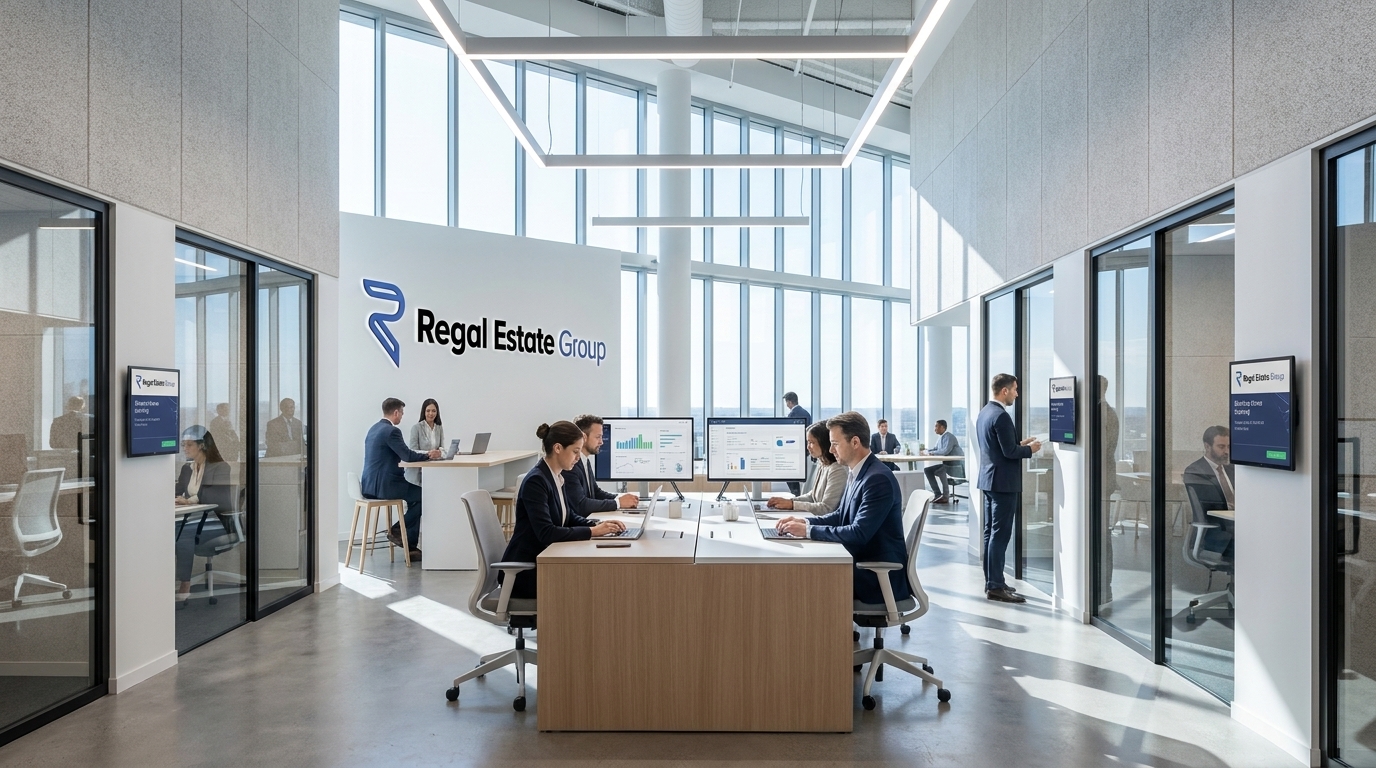
The final stage of the IT and design integration blueprint is the deployment of endpoint devices and the ongoing management of the user experience. This is where the strategic planning materializes into the tools employees use every day. The logistics of this phase involve setting up workstations, laptops, VoIP phone systems, networked printers, and audiovisual equipment in conference rooms. A standardized and streamlined deployment process is key to efficiency and consistency. However, the work doesn’t end once the devices are deployed. A forward-thinking IT strategy focuses on the end-to-end employee experience. This is where the trend of Digital Experience Management (DEM) becomes vital. DEM tools allow IT teams to proactively monitor and measure the actual performance that end-users are experiencing with their applications and devices. This data-driven approach helps identify and resolve issues—like slow application response times or poor Wi-Fi connectivity in a specific area—often before the user even files a support ticket. By focusing on DEM, a business ensures that its significant investment in infrastructure and design translates directly into tangible productivity gains and higher employee satisfaction. It completes the circle, ensuring the technology not only works but works well for the people it is designed to serve.
In conclusion, the development of a new office workspace is a unique opportunity to build a powerful engine for business growth. By moving away from a siloed approach and adopting an integrated blueprint that treats IT infrastructure and design logistics as two sides of the same coin, organizations can create environments that are intelligent, resilient, and inherently agile. The core pillars of this strategy—aligning technology with architecture from day one, implementing future-proof structured cabling, designing a scalable network, adopting a hybrid cloud model, and embedding a zero-trust security framework—are no longer optional considerations. They are the essential building blocks of a high-performance workplace. Ultimately, a successful integration is measured not by the complexity of its servers or the speed of its connections, but by its ability to create a seamless, secure, and productive environment that empowers employees to do their best work. This strategic investment in a well-designed digital foundation will pay dividends long into the future.