In an increasingly digital world, the physical workspace has emerged as a powerful, tangible touchpoint for brand identity. It’s no longer just a place for operations; it’s a living, breathing embodiment of a company’s culture, values, and vision. Moving beyond a simple logo in the lobby, strategic workspace branding integrates your company’s ethos into the very fabric of the building. This holistic approach, often called environmental branding, transforms an office from a mere container for work into a dynamic tool for reinforcing identity, inspiring employees, and making a lasting impression on clients. Recent trends show a significant shift towards creating immersive brand experiences within the office, recognizing that a well-designed space is a critical asset in attracting and retaining top talent and fostering a strong, cohesive company culture. This guide will explore the essential strategies and logistical considerations for turning your physical space into a powerful testament to your brand’s unique story.
Beyond the logo: defining environmental branding
Environmental branding is the strategic process of communicating a company’s brand identity and values through the design of its physical space. It’s a multidisciplinary approach that merges interior design, architecture, graphic design, and brand strategy to create a cohesive and immersive experience for everyone who enters the space, from employees to clients and partners. The core objective is to make the brand’s abstract qualities—its mission, personality, and promises—tangible and relatable. This goes far beyond just visual elements. While colors, logos, and typography are foundational, true environmental branding delves deeper into the spatial experience. It considers the flow of movement through the office, the types of materials used, the quality of lighting, and even the ambient sounds. For example, a tech startup aiming to project an image of innovation and collaboration might use an open-plan layout, interactive digital walls, and furniture made from modern, sustainable materials. In contrast, a law firm wanting to convey stability and trust might opt for classic materials like wood and stone, a more traditional layout, and a muted, sophisticated color palette. The ultimate goal is to create a narrative within the space that tells the brand’s story in a way that is both subtle and powerful, ensuring that every design choice is intentional and aligned with the core identity you wish to project.
The psychology of space: color, layout, and brand perception
The design of a workspace has a profound psychological impact on how a brand is perceived by both employees and visitors. Every element, from the color on the walls to the arrangement of furniture, sends a subconscious message about the company’s culture and priorities. Color psychology, for instance, plays a critical role. Blues can evoke feelings of trust and stability, making them suitable for financial institutions, while vibrant yellows and oranges can stimulate creativity and energy, ideal for creative agencies. Layout is equally influential. Open-plan offices are designed to foster collaboration, transparency, and a flat hierarchy, signaling a modern and agile company culture. Conversely, private offices and structured cubicles can communicate a focus on individual concentration, tradition, and a more formal corporate structure. The strategic use of lighting can also alter perception; bright, natural light is associated with wellness and positivity, while dimmer, focused lighting can create an atmosphere of intimacy and luxury. Even the textures and materials underfoot and at hand contribute to the narrative. Polished concrete and exposed brick might suggest an industrial, startup feel, whereas plush carpets and rich mahogany convey a sense of established luxury. By consciously curating these sensory and spatial elements, a business can architect an environment that not only reflects its brand identity but actively shapes the perceptions, emotions, and behaviors of everyone within it, turning the office itself into a key strategic asset.
First impressions count: designing a branded reception area
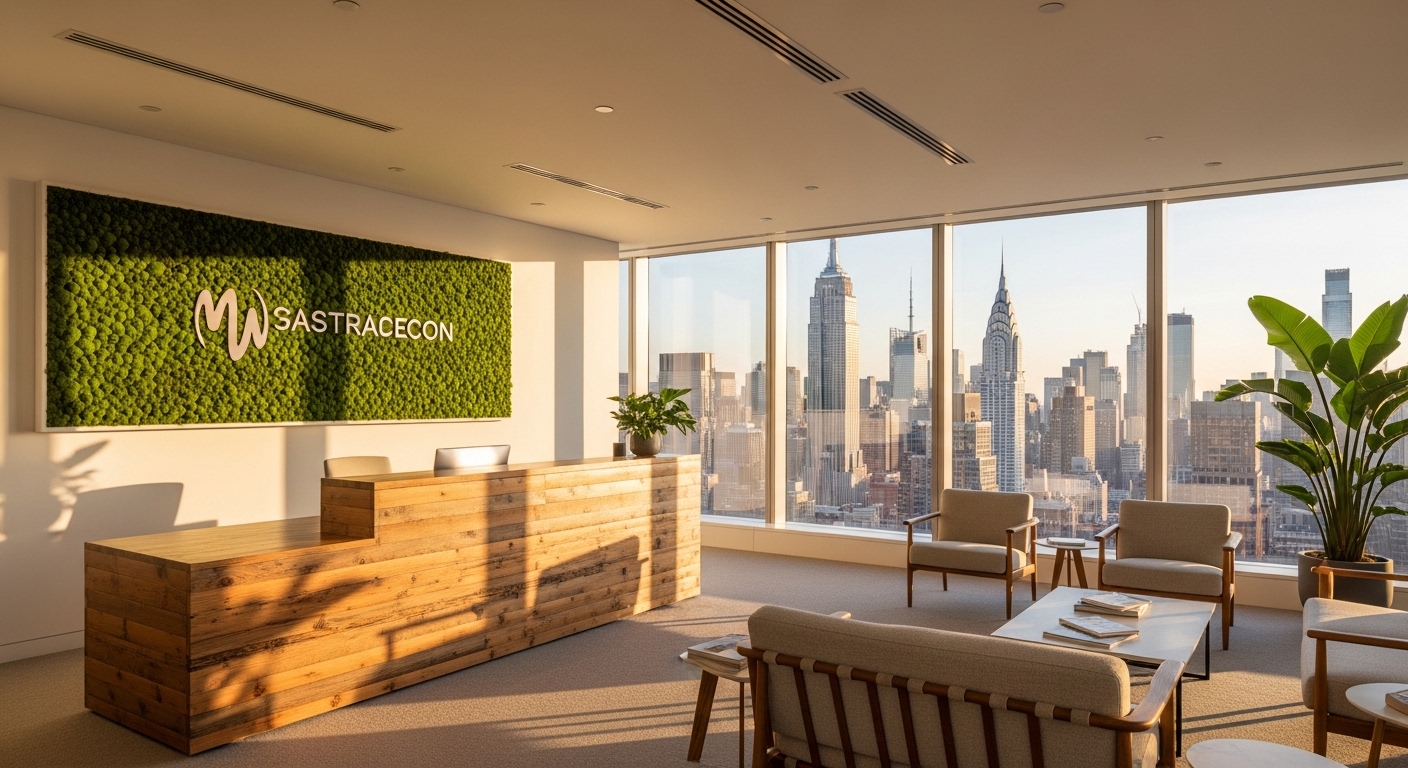
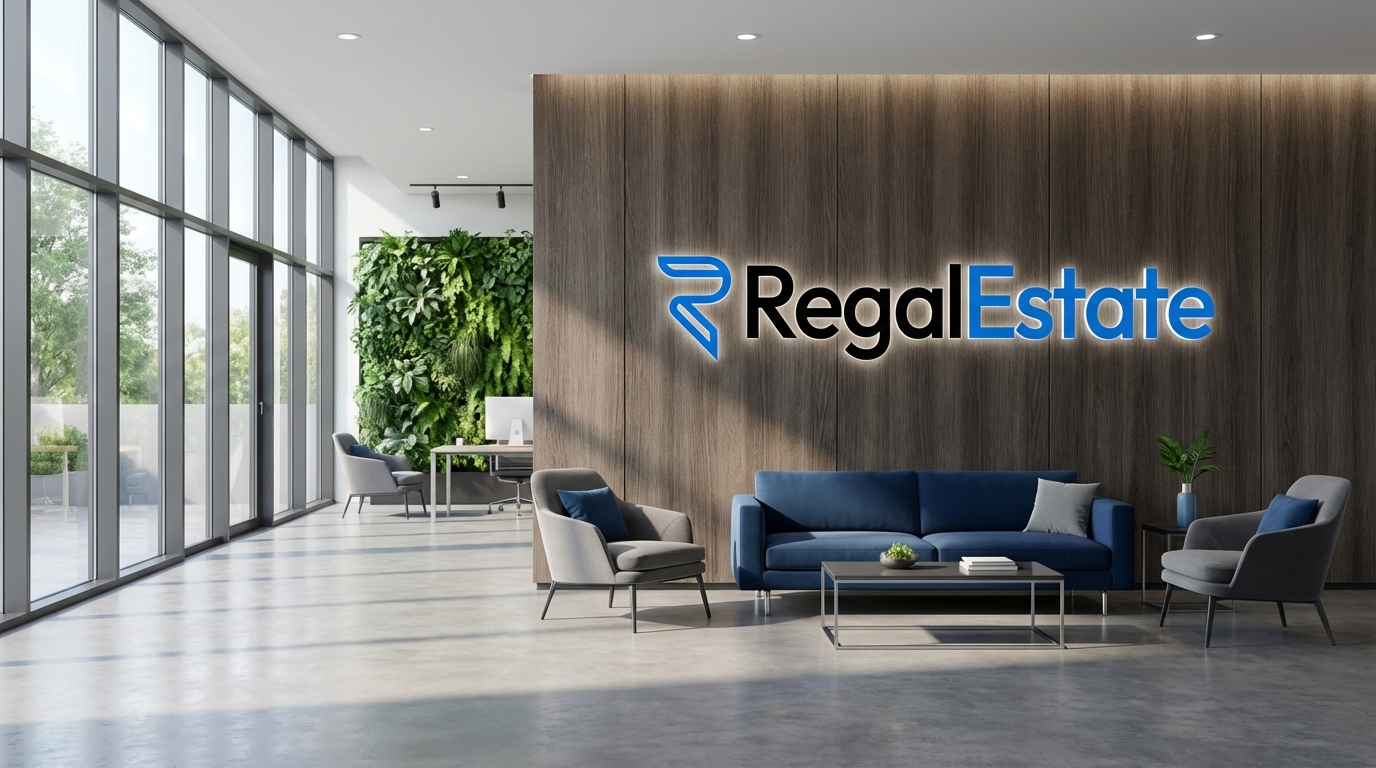
The reception area is the first physical handshake a brand offers to its clients, partners, and potential employees. It is the overture to the company’s story, setting the tone for the entire visitor experience. A well-executed branded reception is more than just a waiting room; it’s a strategic and immersive introduction to the company’s identity. The design should immediately and unequivocally communicate who you are as a brand. This begins with a prominent, high-quality display of the company logo, perhaps as a 3D installation on a feature wall or elegantly etched into a glass partition. The choice of furniture is critical; it must align with the brand’s personality—be it sleek and minimalist for a tech firm or comfortable and classic for a hospitality group. The materials used, from the flooring to the reception desk itself, should reflect the brand’s values, such as using reclaimed wood to signal a commitment to sustainability. Digital displays can be used to showcase company achievements, brand stories, or welcome messages, creating a dynamic and engaging environment. Even the smallest details, like the music playing, the scent in the air, or the magazines on the table, should be curated to align with the brand. An effective reception area ensures that from the moment a person steps through the door, they are not just in an office, but inside the brand itself, creating a memorable and positive first impression that builds immediate confidence and connection.
Fostering culture through design: branding for employees
While making a strong impression on visitors is crucial, the most important audience for workspace branding is the people who inhabit it every day: the employees. The physical environment is a constant, powerful influence on company culture, employee morale, and productivity. When a workspace is thoughtfully designed to reflect the company’s values, it transforms from a place of work into a place of belonging. This means creating spaces that support the desired behaviors and work styles. If collaboration is a core value, the office should feature numerous accessible, well-equipped breakout zones, communal tables, and writeable surfaces. If deep focus is prioritized, designated quiet zones, individual pods, and acoustic paneling become essential. Displaying the company’s mission, vision, and values on the walls isn’t just decoration; it’s a daily reminder of the shared purpose that unites the team. Celebrating team achievements through dedicated display walls or digital screens can foster a sense of pride and recognition. The amenities provided, such as a well-stocked kitchen, comfortable lounge areas, or wellness rooms, also send a clear message that the company invests in the well-being of its staff. By embedding the brand’s DNA into every functional and aesthetic choice, the office becomes a strategic tool for reinforcing the desired culture, boosting engagement, and making employees feel like valued participants in the brand’s journey.
Integrating technology for a dynamic brand experience
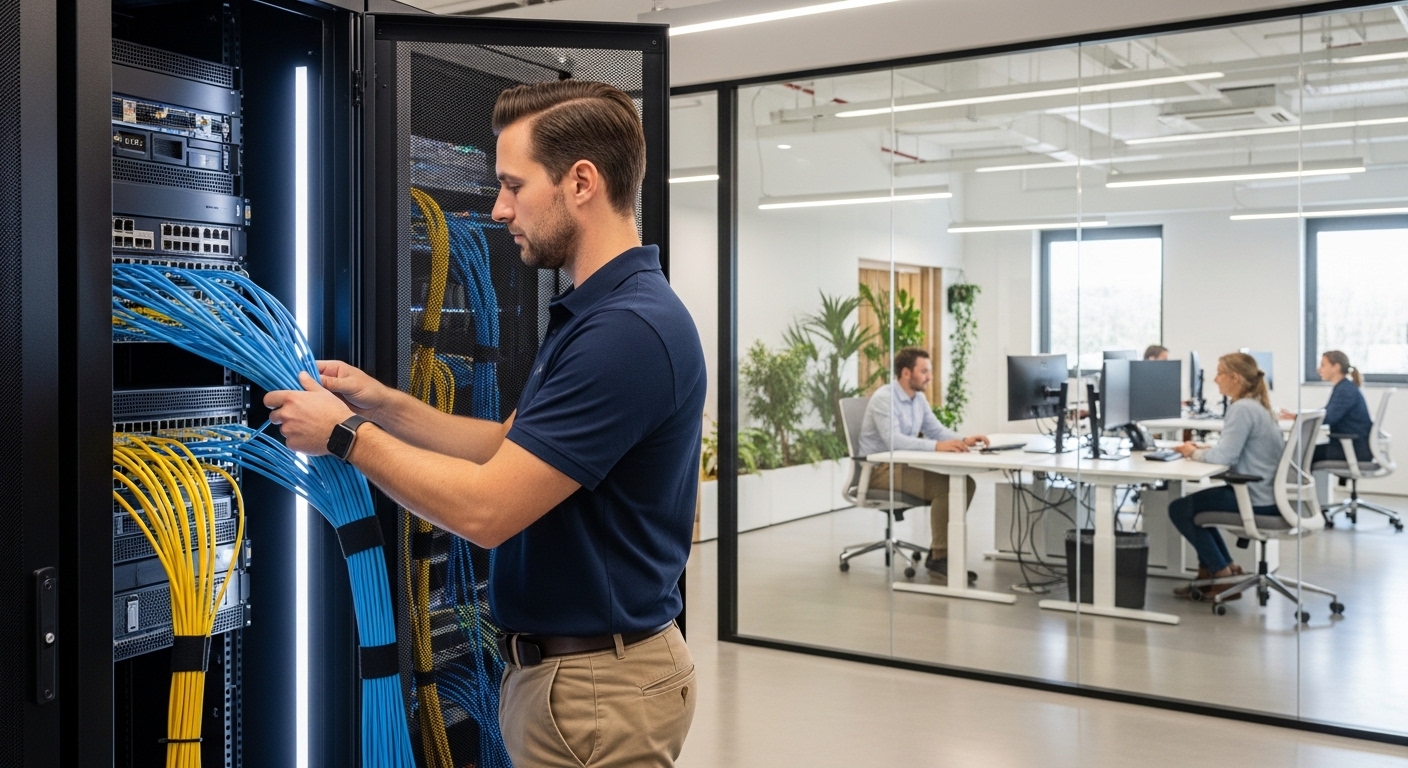
In the modern workspace, technology is not just a tool for productivity; it’s a dynamic medium for brand storytelling and creating an interactive environment. Integrating smart technology allows a company to bring its brand to life in ways that are responsive, engaging, and memorable. This can range from simple applications to highly sophisticated systems. For instance, digital signage in lobbies and high-traffic areas can be used for more than just welcome messages; it can stream live company news, showcase client testimonials, or display real-time data visualizations that reflect the company’s impact, reinforcing a culture of transparency and achievement. Interactive screens or touch-tables in collaborative spaces can encourage creative brainstorming and demonstrate a brand’s commitment to innovation. Smart lighting systems can be programmed to change color and intensity to match a specific brand campaign or even the time of day, subtly influencing the mood and energy of the space. Even room booking systems and mobile apps that help employees navigate the office and find colleagues contribute to a seamless, tech-forward brand experience. By thoughtfully weaving technology into the architectural and design fabric of the office, companies can create a fluid and adaptive environment that not only enhances efficiency but also communicates a forward-thinking and innovative brand identity, keeping the workspace as dynamic as the business itself.
Material matters: textures and finishes that tell your brand story
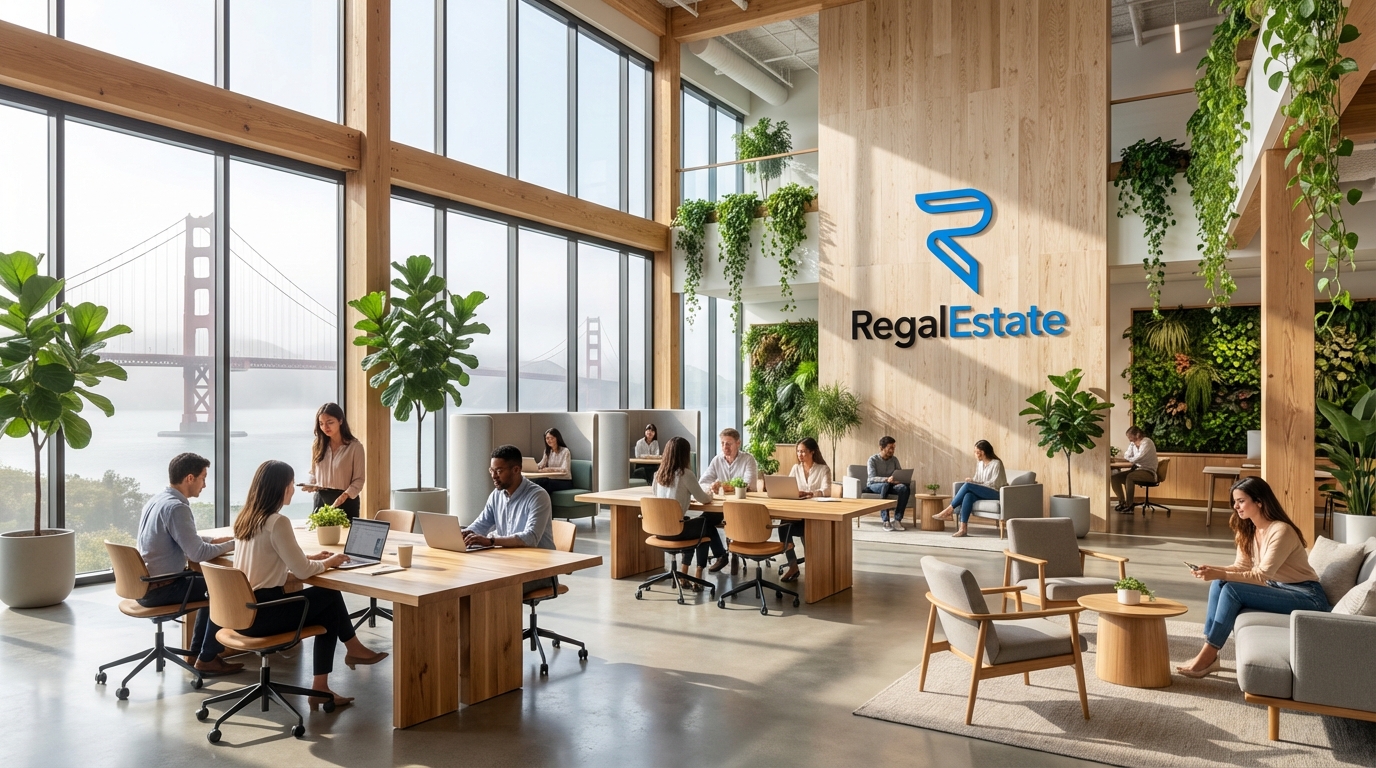
The selection of materials, textures, and finishes is a subtle yet deeply impactful component of environmental branding. These tactile elements engage the senses and communicate brand attributes on a subconscious level, long before a visitor reads a mission statement on the wall. The materials chosen can tell a rich story about a company’s values, heritage, and aspirations. A brand focused on sustainability and environmental responsibility can express this through the use of reclaimed wood, recycled materials, bamboo flooring, and living plant walls. This not only looks authentic but feels it, too. Conversely, a luxury brand aiming to project an image of quality and exclusivity might utilize materials like marble, brass, and velvet, which have historical associations with prestige and craftsmanship. The textures in a space also influence its feel. Rough, exposed brick and polished concrete can create an edgy, industrial aesthetic suitable for a startup, while smooth glass partitions and high-gloss finishes suggest sleekness, precision, and modernity, fitting for a technology or engineering firm. The key is to create a consistent material palette that aligns with the brand’s core message. By making deliberate choices about the physical substances that construct the workspace, a company can build a powerful, multi-sensory narrative that reinforces its identity and leaves a lasting, tangible impression on everyone who experiences the space.
The logistical blueprint: executing your branded space project
Translating a compelling brand vision into a physical reality requires a meticulous and well-structured logistical plan. The execution phase is where strategy meets construction, and careful coordination is paramount to success. The process typically begins with establishing a clear budget and timeline, which will guide all subsequent decisions. Assembling the right team is the next critical step. This usually involves a collaboration between interior designers, brand strategists, architects, project managers, and specialized fabricators and installers. Clear communication and a shared understanding of the project’s goals are essential to ensure that the brand’s essence is not lost in translation during the technical phases. The logistical plan must account for sourcing and procuring all specified materials, furniture, and technology, often involving multiple vendors and long lead times. A detailed project schedule should be created, outlining key milestones from demolition and construction to the installation of final design elements like graphics, signage, and furniture. It is also crucial to plan for the practicalities of the installation process to minimize disruption to daily operations, which might involve working in phases or during off-hours. Finally, the blueprint should include a post-completion phase for snagging—identifying and rectifying any minor flaws—and establishing a maintenance plan to ensure the branded elements remain in pristine condition. A robust logistical framework is the invisible scaffolding that supports a successful environmental branding project, ensuring it is delivered on time, within budget, and true to the original creative vision.
Ultimately, branding your space is a profound investment in your company’s identity and culture. It’s an opportunity to move your brand from an abstract concept into a three-dimensional experience that people can see, touch, and feel. By thoughtfully considering every element—from the psychological impact of color and layout to the tactile story told by materials and the dynamic potential of integrated technology—you can create a workspace that does more than just house your operations. A strategically branded environment serves as a constant reinforcement of your mission, a powerful tool for attracting and retaining top talent, and a memorable statement to clients and partners. It aligns your physical presence with your brand promise, fostering a cohesive and authentic identity that resonates from the inside out. The process requires careful planning and logistical precision, but the return on investment is immense: a workspace that not only supports your team but actively propels your brand forward. In the end, your office becomes your most powerful piece of brand collateral, a physical manifestation of the unique value you bring to the world.