The era of the monolithic, one-size-fits-all office is over. Spurred by the widespread adoption of hybrid work, the role of the physical workspace has fundamentally shifted. It’s no longer just a place to house employees, but a destination for collaboration, culture-building, and focused work that can’t be done from home. This evolution demands a new approach to office layout design—one that places the human experience at its core. Human-centric design prioritizes the well-being, productivity, and diverse needs of people, creating environments that are not only functional but also inspiring and supportive. Recent trends show that companies are moving towards flexible, wellness-centric spaces that can adapt to the fluid nature of modern work. This guide will explore the key principles of human-centric office design, from activity-based working and biophilic integration to the critical importance of creating neuro-inclusive spaces that allow every employee to thrive.
The principles of human-centric office design
Human-centric office design is a philosophy that puts people first. It moves beyond traditional metrics like spatial efficiency and cost per square foot to focus on how the physical environment impacts employee well-being, engagement, and effectiveness. The core of this approach rests on three foundational pillars: flexibility, well-being, and inclusivity. Flexibility means providing employees with the autonomy to choose where and how they work within the office, accommodating different tasks and work styles. This isn’t just about offering a mix of desks and meeting rooms; it’s about creating a dynamic ecosystem of spaces. The second pillar, well-being, involves designing environments that support both physical and mental health. This includes everything from ergonomic furniture and optimal air quality to spaces that encourage movement and mindfulness. The final, and perhaps most crucial, pillar is inclusivity. A truly human-centric design acknowledges that a diverse workforce has diverse needs. It means creating a welcoming environment for everyone, regardless of physical ability, neurological type, or personal background. This approach actively designs out barriers and creates a sense of belonging, which is a powerful driver of both satisfaction and retention in today’s competitive talent market.
Designing for the hybrid workforce with activity-based working
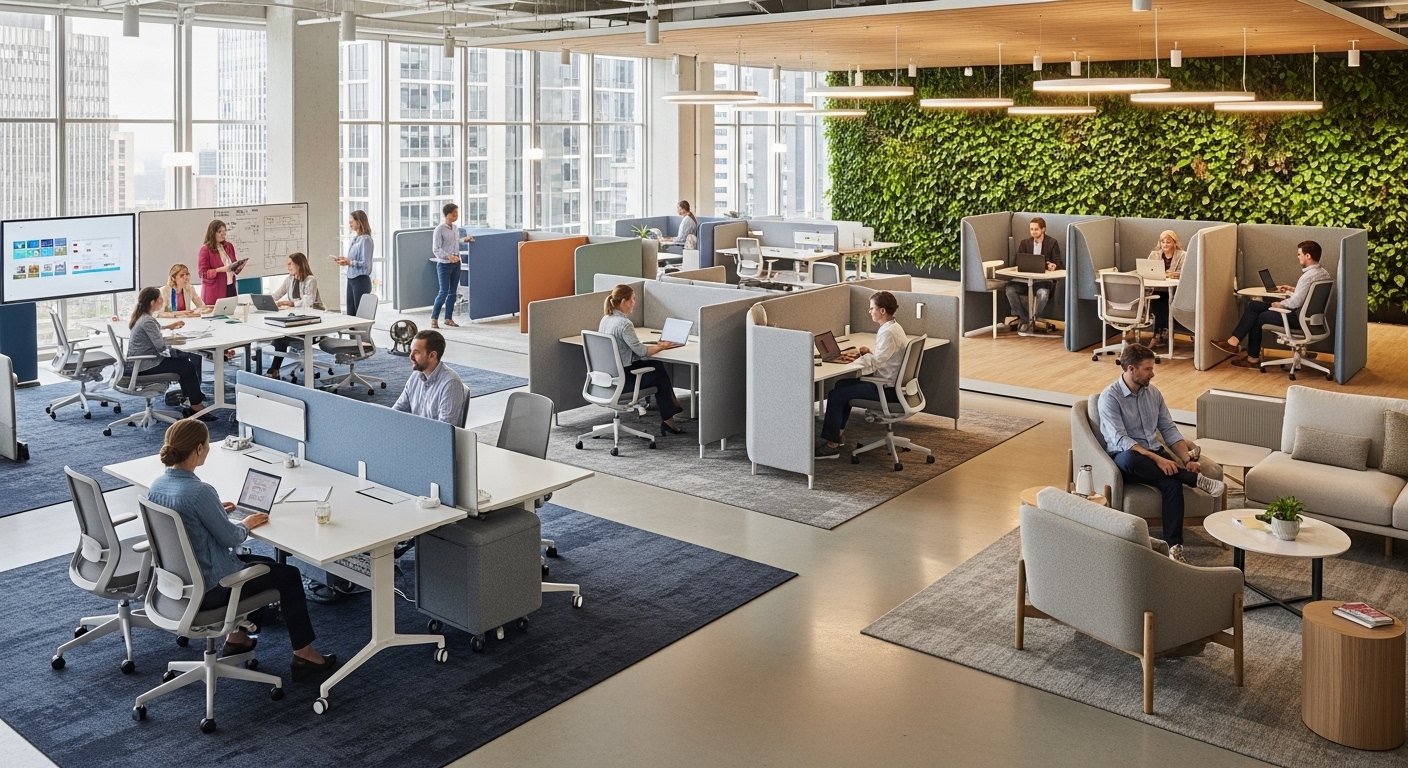
The hybrid model has proven that the office needs to offer a compelling reason for employees to commute. Activity-based working (ABW) provides a powerful framework for achieving this. ABW is a design strategy that gives employees a variety of settings linked to specific tasks or ‘activities.’ Instead of assigned seating, team members can choose the most suitable environment for their immediate needs. This could mean a quiet, library-style zone for deep focus, a collaborative hub with whiteboards and flexible seating for a team brainstorm, private pods for confidential calls, or a comfortable lounge for informal conversations and social connection. By empowering employees with choice, ABW enhances autonomy and job satisfaction. In fact, research from workplace consultants Veldhoen + Company has shown that transitioning to an ABW environment can lead to an average increase of 17% in overall workplace satisfaction. This model is perfectly suited for the hybrid workforce, as it optimizes space for peak in-office days and ensures that the time spent at the office is purposeful, collaborative, and highly productive. The office transforms from a static container into a dynamic tool for success.
Integrating biophilic design for wellness and productivity
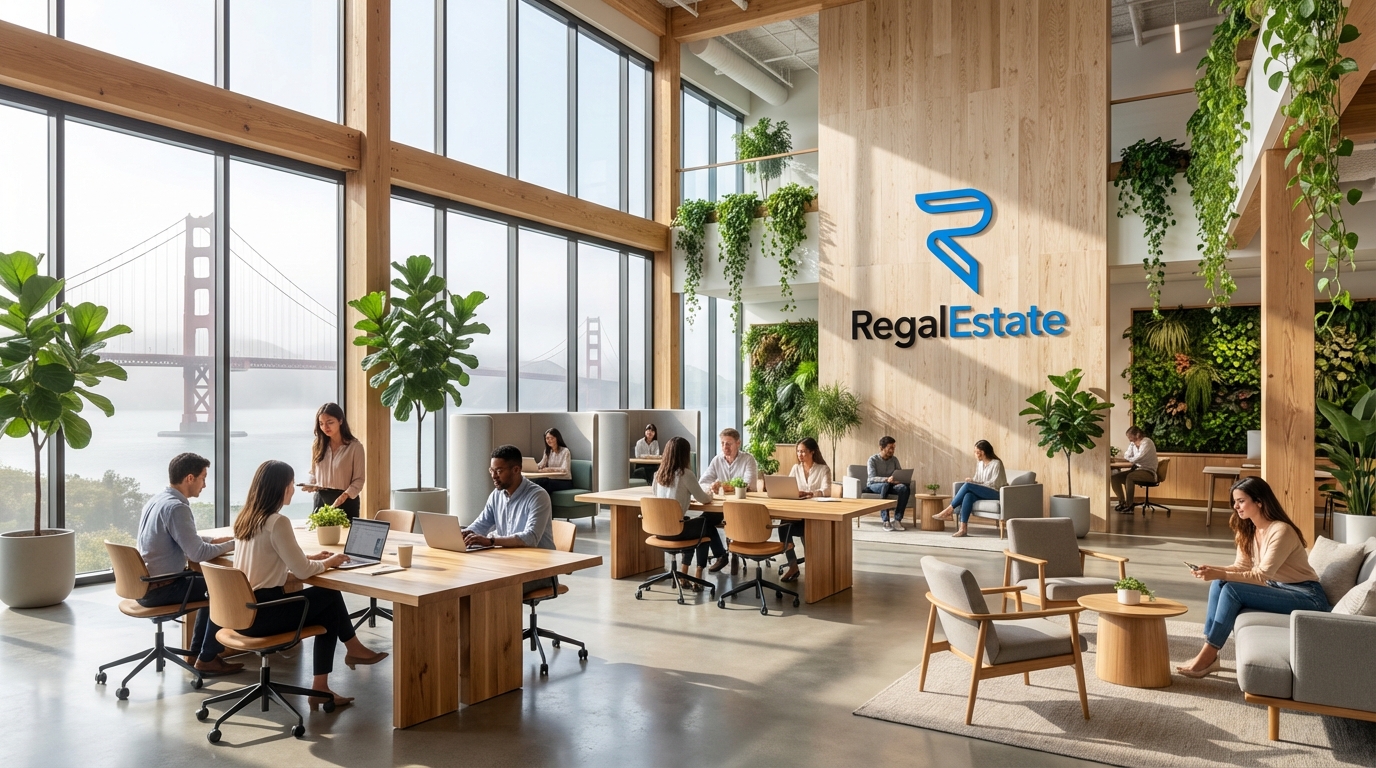
Biophilic design is based on the concept of ‘biophilia’—the innate human tendency to seek connections with nature. Integrating natural elements into the built environment is a cornerstone of human-centric design, with proven benefits for employee well-being. This goes far beyond placing a few potted plants on desks. It involves a holistic approach that incorporates natural light, views of nature, living green walls, natural materials like wood and stone, and patterns that mimic the natural world. The impact is significant and measurable. Research has consistently shown that biophilic workplaces reduce stress and improve cognitive function. A comprehensive study by Human Spaces found that environments with strong natural elements led to a 6% increase in productivity and a 15% boost in creativity. Exposure to natural light helps regulate circadian rhythms, leading to better sleep and reduced fatigue. Plants improve indoor air quality. By catering to our inherent need for a connection to nature, biophilic design creates a calming, restorative atmosphere that directly counters workplace stress and fosters a healthier, more focused, and more innovative workforce.
Creating neuro-inclusive spaces for cognitive well-being
A forward-thinking aspect of human-centric design is the focus on neurodiversity. A neuro-inclusive workplace is one that is designed to be welcoming and effective for individuals with neurological variations such as autism, ADHD, and dyslexia. This means moving away from a single, uniform environment—like a loud, open-plan office—that can be a source of sensory overload and anxiety. The key is to provide variety and control. This involves creating distinct sensory zones within the office. For example, designated quiet zones with low stimulation, sound-dampening materials, and a no-talking policy are essential for focused work. Conversely, collaborative zones can be more energetic. It also involves granular control over individual workspaces. Providing adjustable lighting with dimmer switches, allowing the use of noise-canceling headphones, and using calming, natural color palettes can make a profound difference. Companies are taking notice; financial firm Barclays, for example, partnered with Scottish Autism to develop its Glasgow campus, incorporating complex lighting and acoustic systems to reduce sensory overload. Designing for neurodiversity doesn’t just benefit neurodivergent employees; it creates a more thoughtful and effective workplace for everyone by acknowledging that all individuals have different sensory and cognitive preferences.
The role of smart technology in a flexible office
Technology is the invisible thread that weaves a flexible, human-centric office together. For an activity-based or hybrid model to function seamlessly, employees need the right digital tools. Smart technology eliminates friction and empowers employees to use the office to its full potential. Desk and room booking systems are fundamental, allowing staff to reserve a workspace or meeting room via a mobile app before they even leave home. This removes uncertainty and ensures they have the resources they need upon arrival. The Internet of Things (IoT) plays an increasingly important role in personalizing the environment. Integrated systems can allow employees to adjust lighting and temperature in their specific zone, creating a more comfortable and productive micro-environment. Furthermore, seamless video conferencing technology is non-negotiable in a hybrid world. Meeting rooms must be equipped with high-quality cameras, microphones, and screens to ensure that remote participants feel just as present and included as those in the room. This technological layer is critical for creating an equitable and efficient experience for a distributed workforce, making the office a truly connected and responsive hub.
Measuring the success of your new office layout
The return on investment (ROI) for a human-centric office layout extends far beyond simple real estate savings. While flexible models like ABW can certainly optimize a company’s physical footprint, the true value lies in its impact on people. To measure success, organizations must look at human-centered metrics. Employee satisfaction surveys are a primary tool, gauging perceptions of the new space, its functionality, and its impact on their daily work. Tracking employee engagement levels can reveal how the new environment is influencing motivation and connection to the company. Another critical metric is talent attraction and retention. A well-designed, flexible, and supportive office is a powerful differentiator in the job market and can significantly reduce costly employee turnover. Observing how different spaces are utilized through sensor data can also provide valuable insights, helping to refine the layout over time to better meet employee needs. By focusing on these qualitative and people-focused outcomes, businesses can understand the profound, long-term value that a thoughtfully designed workplace delivers, proving that an investment in employee well-being is an investment in the bottom line.
In conclusion, the future of office layout design is intentional, adaptable, and deeply human. The sterile rows of cubicles that defined the twentieth century are being replaced by dynamic ecosystems of spaces designed to support a diverse workforce with varied needs. By embracing the core principles of human-centric design—flexibility, well-being, and inclusivity—organizations can create workspaces that are more than just buildings. They become strategic assets that foster collaboration, enhance productivity, and attract and retain the best talent. The focus on activity-based working, biophilic elements, neuro-inclusion, and smart technology is not merely a trend; it represents a fundamental understanding that a company’s greatest asset is its people. Designing a workplace that empowers them to do their best work is the most effective strategy for ensuring long-term success and resilience in the new world of work. The office is not dead; it has been reborn with a new, more human purpose.