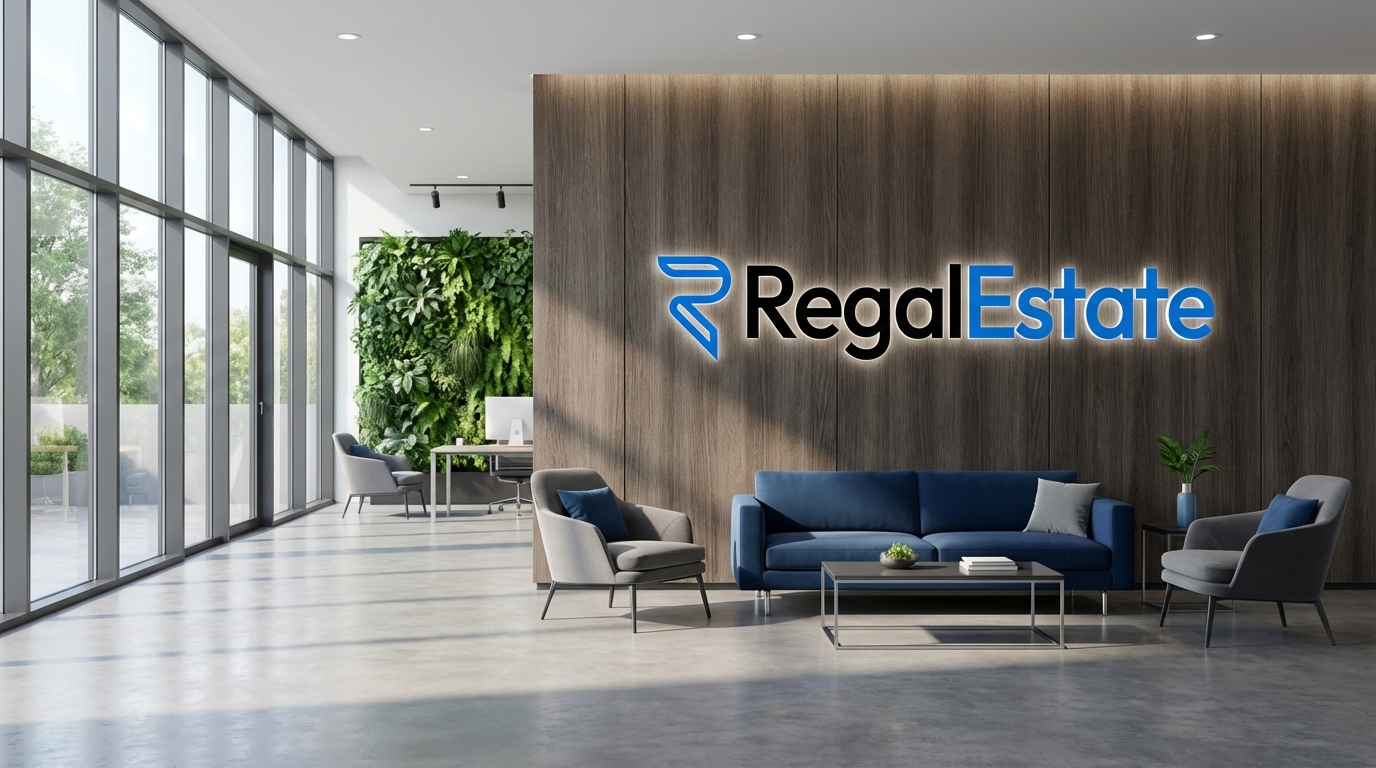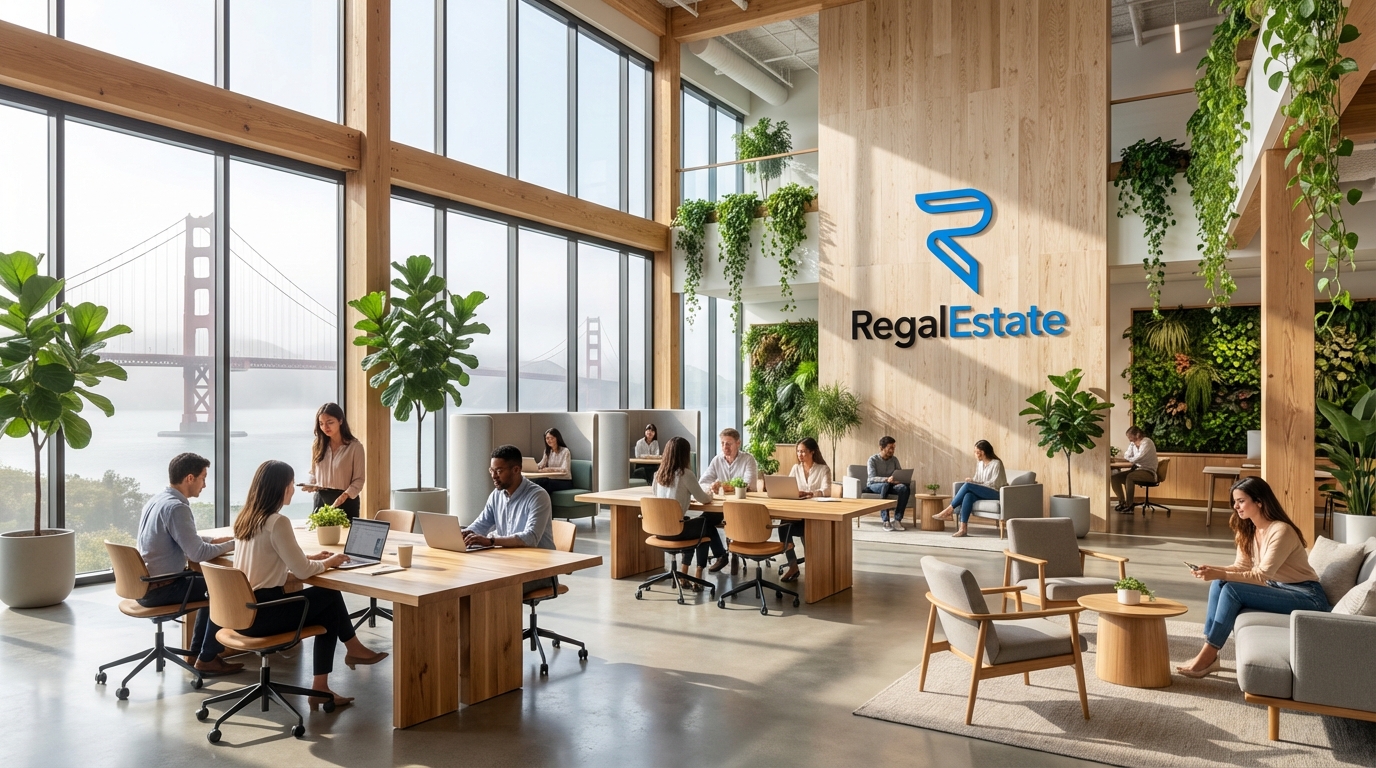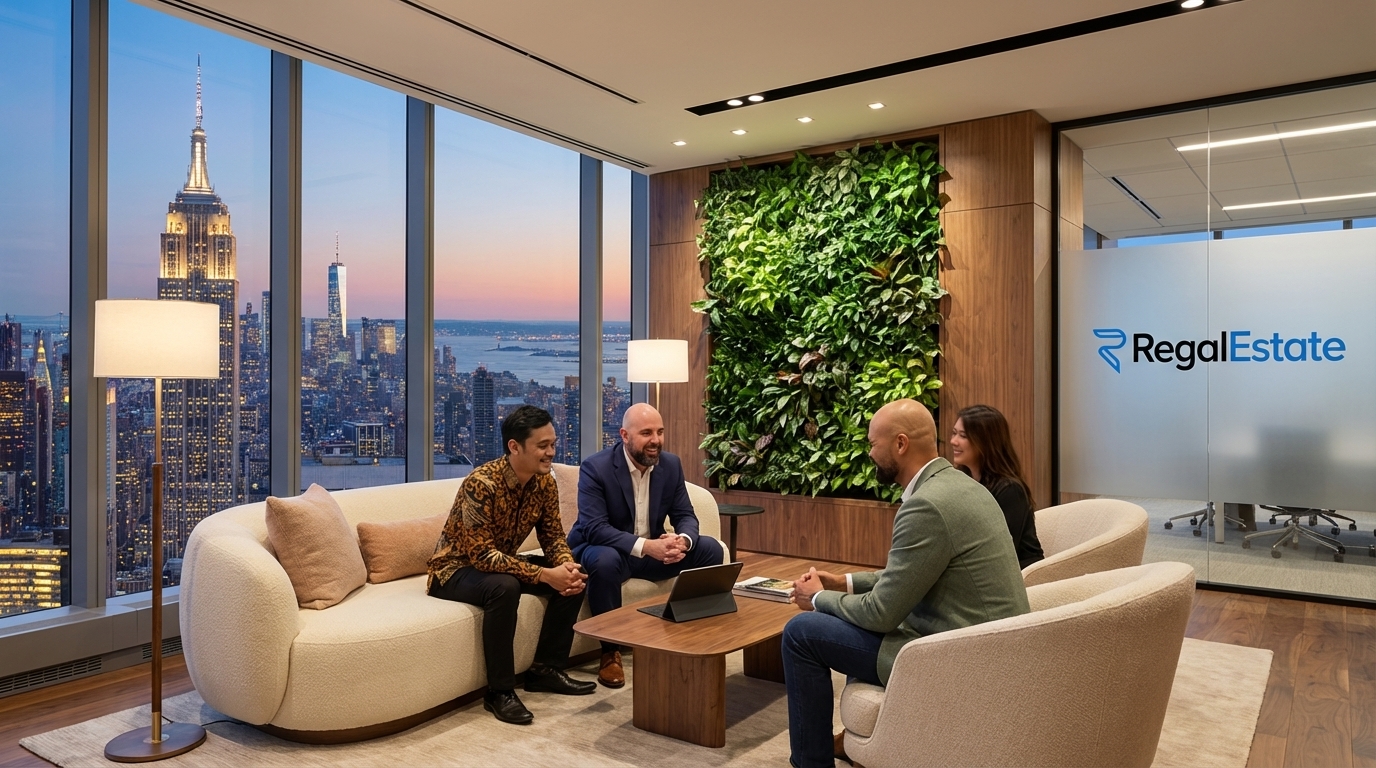
In the bustling, ever-evolving landscape of modern business, the physical office has undergone a profound transformation. No longer merely a place for clocking in and out, the contemporary workspace serves as a dynamic, living extension of a company’s brand. It is a powerful tool for communication, a beacon for company culture, and a critical factor in attracting and retaining top-tier talent. This shift is particularly pronounced in the hyper-competitive environment of New York City, where the expectations for what a workplace should offer are higher than ever. Companies are moving beyond simple logos on the wall and are now curating immersive, multi-sensory experiences that tell a compelling brand story from the moment someone steps off the elevator. This evolution from a static office to an experiential brand embassy is not just a trend; it’s a strategic imperative for success. This guide will explore the key pillars of branding your space effectively, from embracing hospitality-driven design to integrating wellness as a core tenet of your physical brand identity.
The new purpose of the corporate office in a hybrid world
The rise of remote and hybrid work models has fundamentally challenged the traditional role of the central office. If employees can perform their tasks from anywhere, why should they commute? The answer lies in redefining the office’s purpose from a place of mandatory presence to a destination for intentional connection, collaboration, and cultural immersion. The modern office must offer something that a home office cannot: a palpable sense of community and a deep, physical connection to the company’s mission and values. This is where spatial branding becomes paramount. It’s about creating an environment so compelling and aligned with the company’s ethos that it becomes a magnet for talent. Think of the office as the cultural hub of the organization, a place where brand values are not just stated but are actively experienced. This could manifest through collaborative zones designed to spark innovation, quiet libraries for deep focus that reflect a value for thoughtful work, or social hubs that encourage the spontaneous interactions that build strong teams. The design, layout, materials, and technology all become storytellers, consistently reinforcing the brand’s narrative. The goal is to create a space that employees feel proud of and connected to, a physical anchor for a workforce that may be geographically dispersed.
From workplace to destination: embracing hospitality-driven design
One of the most significant trends in corporate interior design is the concept of the “hospitality-driven” workplace. Drawing inspiration from luxury hotels, boutique cafes, and exclusive member clubs, this approach prioritizes employee experience, comfort, and well-being. The underlying principle is to treat employees not as cogs in a machine, but as valued guests. This translates into creating environments that are welcoming, intuitive, and rich with amenities. Common areas are designed to resemble comfortable lounges rather than sterile waiting rooms, featuring plush seating, warm lighting, and high-quality finishes. The traditional cafeteria might be replaced with a barista-staffed coffee bar or a healthy snack market. Concierge services, state-of-the-art fitness centers, and beautifully designed outdoor terraces are no longer outliers but are becoming standard expectations in new builds. For a brand, this is a powerful statement. It communicates a culture of care, respect, and appreciation. It shows that the company is invested in the holistic well-being of its people, not just their professional output. In a city where life can be demanding, offering an oasis of comfort and convenience can be a game-changing differentiator in the war for talent. This focus on a premium experience helps to make the office a desirable destination, encouraging employees to engage with the space and each other.
Biophilic branding: cultivating culture with nature
Biophilic design, the practice of connecting people and nature within our built environments, has emerged as a critical tool for modern workplace branding. It goes far beyond placing a few potted plants on desks. True biophilic design involves a holistic integration of natural elements, such as living green walls, indoor gardens, natural materials like wood and stone, and maximizing access to natural light and outdoor views. The benefits are well-documented: reduced stress, enhanced creativity, and improved cognitive function. From a branding perspective, embracing biophilia sends a powerful message. It signals a commitment to sustainability, health, and a forward-thinking, human-centric culture. In the dense urban jungle of New York City, providing a connection to nature is a profound amenity. A workspace that feels fresh, airy, and alive stands in stark contrast to the concrete and steel outside, creating a sanctuary that promotes well-being. A company that invests in this type of environment is implicitly stating that it values the health of its employees and the planet, aligning the brand with positive, progressive values that are increasingly important to today’s workforce. This natural infusion can soften corporate environments, making them feel more inviting, inspiring, and conducive to both focused work and creative collaboration.
Wellness as a brand pillar: designing for employee well-being
Closely related to biophilia, the broader concept of wellness has become a central pillar of effective spatial branding. A company’s commitment to the health of its employees can be powerfully communicated through the physical design of its workspace. This extends beyond a gym membership to encompass the holistic well-being of individuals—physical, mental, and emotional. Workspaces are now being designed with dedicated wellness rooms for meditation, yoga, or quiet reflection. Features like circadian rhythm lighting systems that adjust throughout the day to support natural sleep cycles, acoustic paneling to minimize distracting noise, and ergonomic furniture at every workstation are becoming standard. Even the layout of the office can promote physical health by encouraging movement, with prominent, appealing staircases and varied work settings that invite people to change their posture and location throughout the day. By embedding wellness into the architectural DNA of the office, a company demonstrates its values in a tangible, undeniable way. It tells employees, ‘We care about you as a whole person.’ This message of a supportive, people-first culture is a magnet for talent and a powerful driver of loyalty and engagement, reducing burnout and fostering a healthier, more productive workforce.
The flexible blueprint: activity-based working and brand identity
The one-size-fits-all office layout is obsolete. In its place, activity-based working (ABW) offers a flexible and dynamic approach that can be powerfully aligned with a company’s brand. ABW is a design concept that provides employees with a variety of settings to choose from based on the task they are performing. The office becomes an ecosystem of spaces, including open-plan collaborative hubs, semi-enclosed areas for team tasks, private phone booths for calls, quiet libraries for deep concentration, and informal lounge areas for casual conversations. This variety empowers employees, giving them autonomy over how and where they work, which is a powerful statement for a brand that values trust, flexibility, and results over presence. The design of these varied spaces offers a rich canvas for brand storytelling. A company that prides itself on innovation might have dynamic, tech-enabled brainstorming rooms with writable surfaces everywhere. A brand focused on meticulous research might invest in a state-of-the-art, acoustically isolated library. The choice, style, and allocation of these spaces directly reflect corporate priorities and culture, creating a physical environment that is a true embodiment of the brand’s operational ethos and its commitment to empowering its workforce.
Sensory branding: engaging employees beyond the visual
Truly immersive brand experiences engage all the senses, and the workspace is the perfect environment to implement a multi-sensory branding strategy. While visual elements like logos, color palettes, and brand imagery are important, they are only one piece of the puzzle. Consider the acoustic landscape of your office. Does the ambient sound reflect your brand? A high-energy tech startup might have an upbeat, curated playlist in its social hubs, while a finance firm might prioritize near-silence in its focus zones. Scent is another powerful, often overlooked tool. A subtle, signature scent in the reception area can create a memorable first impression and a lasting brand association. The sense of touch can be engaged through the careful selection of materials and textiles—the feel of a wooden conference table, the texture of a fabric-paneled wall, or the quality of the coffee mug in the kitchen all contribute to the overall brand perception. Even taste can be part of the brand experience through the quality of coffee, tea, and healthy snacks offered. By orchestrating a holistic sensory experience, a company can create a much deeper and more emotionally resonant connection to its brand, making the office in New York City not just a place to see the brand, but a place to feel it in its entirety.
In conclusion, branding your space is no longer a matter of superficial decoration but a profound strategic exercise in corporate identity and cultural development. By moving beyond the logo and embracing a holistic approach that incorporates hospitality, biophilia, wellness, flexibility, and sensory engagement, companies can transform their offices into powerful, three-dimensional brand stories. This evolution is about creating destinations that are not only functional but also meaningful, inspiring, and deeply aligned with the values of the organization. For companies looking to thrive, the message is clear: the most valuable real estate is not just the space you occupy, but the brand experience you build within it. The office is the new frontier of branding, a physical manifesto of who you are as a company and why people should be excited to be a part of your story. Creating such a compelling destination is the key to attracting, retaining, and inspiring the talent that will drive success.