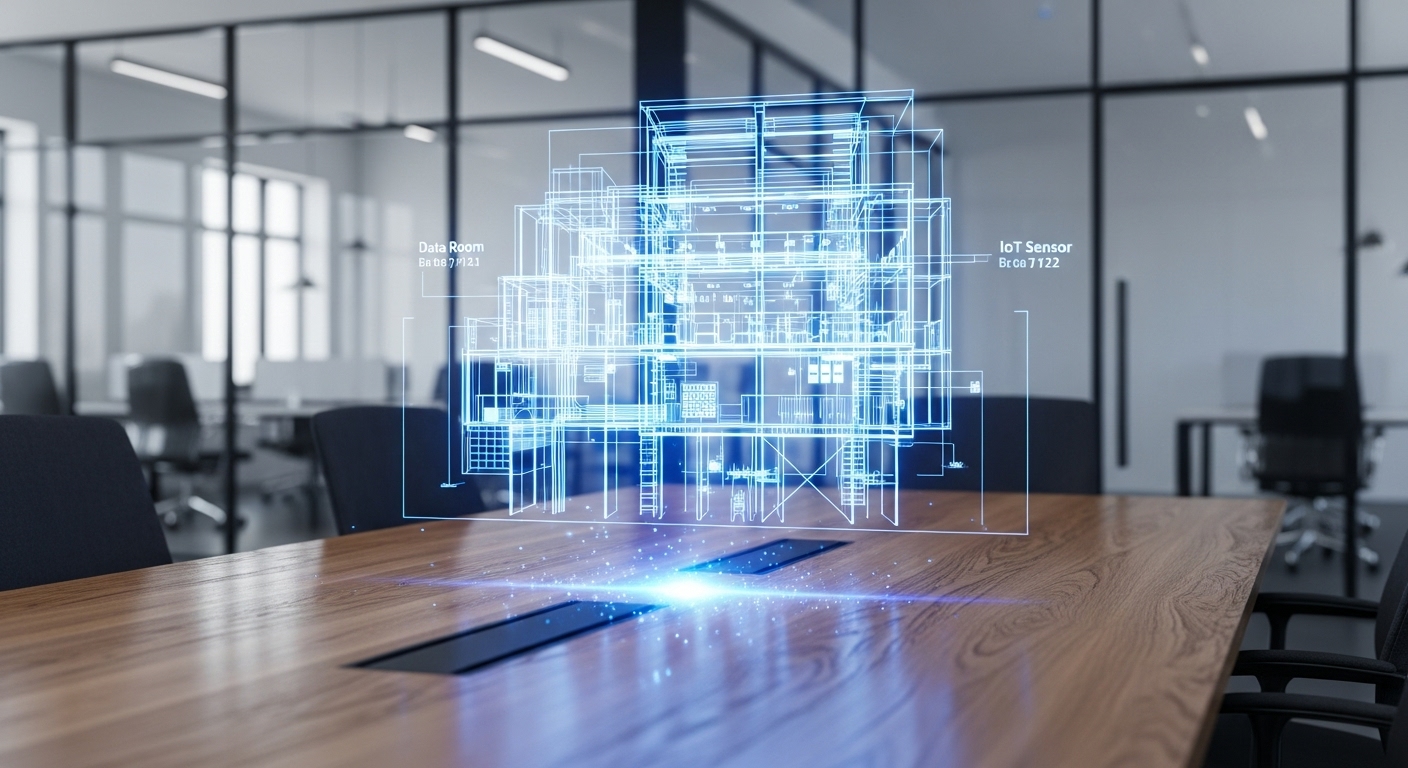
In the modern workplace, information technology is no longer a secondary utility to be installed after the walls are painted; it is the foundational nervous system of the entire operation. The recent shift towards hybrid work models and the rise of smart office technologies have solidified IT’s role as a critical component of initial design and logistical planning. Treating IT setup as an afterthought is a recipe for budget overruns, operational bottlenecks, and a compromised employee experience. A proactive approach, where digital infrastructure is woven into the very blueprint of the workspace, is the only path to creating a resilient, scalable, and future-proof environment. This guide explores the strategic integration of IT and office logistics, moving from foundational planning and physical cabling to smart technology integration and the complex ballet of procurement and deployment, ensuring your workspace is ready for the demands of today and tomorrow.
The strategic foundation: why IT can’t be an afterthought
For decades, IT infrastructure was often a logistical problem left for the final phase of an office build-out. This reactive approach is now obsolete and costly. Retrofitting a poorly planned space with the necessary cabling, power, and cooling for modern tech is exponentially more expensive than designing it correctly from the start. When IT is not at the planning table alongside architects and project managers, critical misalignments occur. Server rooms are relegated to poorly ventilated closets, collaborative zones lack sufficient network ports and power outlets, and the capacity for future growth is severely underestimated. This leads to a cascade of issues: network instability, compromised data security, and an environment that frustrates employees rather than empowers them. Aligning IT strategy with business goals from day zero is paramount. This involves forecasting future headcount, understanding the bandwidth requirements of critical applications, and mapping out how technology will facilitate desired workflows. By treating the IT infrastructure with the same importance as the electrical or HVAC systems, businesses invest in their own operational agility and create a technological foundation that can evolve without the need for expensive and disruptive overhauls.
Cabling and connectivity: the central nervous system of your workspace
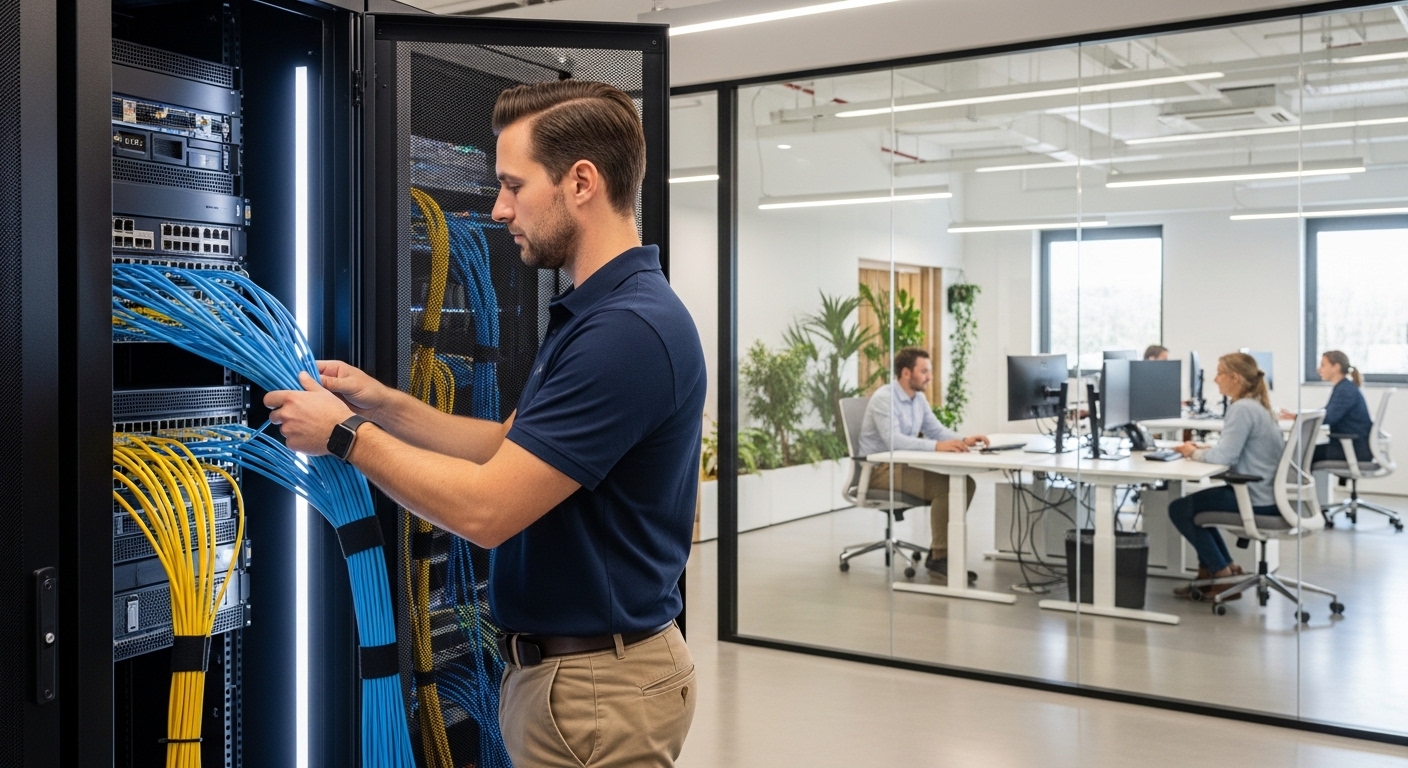
The unseen network of cables running through the walls, floors, and ceilings is the central nervous system of a modern office. A well-designed structured cabling system is the bedrock of reliable connectivity, and its planning requires careful consideration. The process begins with identifying the location of the main server room or Main Distribution Frame (MDF) and any supplementary Intermediate Distribution Frames (IDFs) or IT closets. These rooms are not an afterthought; they require dedicated cooling systems to prevent server overheating, sufficient and redundant power supplies (including UPS backups), and robust physical security. From there, planners must map out cabling pathways to every potential endpoint. This includes not just individual workstations but also conference rooms, printers, wireless access points (WAPs), security cameras, and IoT devices. Planning for high-density Wi-Fi is crucial, requiring a site survey to determine the optimal placement of WAPs to eliminate dead zones and handle a high volume of connected devices. Opting for higher-grade cabling, such as Cat 6a or even fiber, provides the necessary bandwidth for current needs and future-proofs the office for next-generation technologies, ensuring the physical infrastructure won’t become a bottleneck as data demands inevitably grow.
Integrating smart office technology from the ground up
The truly intelligent workspace relies on a network of interconnected devices—the Internet of Things (IoT)—to create a responsive and efficient environment. However, these smart technologies cannot simply be plugged in and expected to work seamlessly. Integrating them requires forethought at the blueprint stage. Smart lighting, automated HVAC systems, occupancy sensors, and intelligent room booking panels all require a network connection and often power-over-Ethernet (PoE). Their locations must be planned in advance to ensure the necessary cabling is in place. Furthermore, the massive influx of data from these devices demands a robust and secure network architecture. Best practices now dictate the use of network segmentation, where IoT devices are placed on a separate virtual local area network (VLAN). This isolates them from the core business network, preventing a potential vulnerability in a single smart device from becoming a gateway for a major cybersecurity breach. By planning for IoT integration from the ground up, businesses can ensure these systems are reliable, secure, and fully optimized to deliver valuable data on space utilization, energy consumption, and employee behavior, which can inform future design iterations.
The security perimeter: embedding physical and digital safety
A comprehensive security strategy is a fusion of physical design and digital defense, and it must be integrated into the office plan from its inception. The physical layout of the workspace directly impacts its security. The location of the server room, for instance, is a critical decision; it should be in a low-traffic area without exterior windows and with reinforced access controls. The planning phase must also map out the placement of security cameras and digital access control points (like keycard readers) at all entrances, exits, and sensitive areas. These systems are not standalone; they are part of the IT infrastructure and require careful network planning to ensure they function reliably and securely. On the digital front, the network architecture itself must be designed with a security-first mindset. This involves more than just a firewall at the main internet gateway. It includes creating segmented networks to isolate critical systems, planning for secure and widespread Wi-Fi coverage that includes a separate guest network, and ensuring all cabling is run through secure, tamper-proof conduits. By embedding physical and digital security measures into the office blueprint, companies create a multi-layered defense that protects their most valuable assets: their people and their data.
Powering the hybrid model: technology for seamless collaboration
The modern office serves as a hub for collaboration, especially within a hybrid work model. Its success hinges on technology that creates an equitable experience for both in-person and remote employees. This requires a significant rethinking of traditional meeting rooms. A truly hybrid-ready conference room needs more than a simple webcam and a speakerphone. The design and IT setup must account for high-definition cameras that can intelligently frame the active speaker, sophisticated microphone arrays that capture clear audio from everyone in the room, and interactive digital whiteboards that allow for real-time co-creation with remote participants. This level of technology requires dedicated network bandwidth, multiple power outlets, and often specific acoustic treatments to function effectively. The underlying IT infrastructure must be robust enough to support flawless, high-quality video streaming across multiple platforms simultaneously. Furthermore, the entire system must be supported by a powerful cloud infrastructure that allows for easy sharing of documents, persistent chat channels, and seamless integration between the physical and digital workspace, ensuring that collaboration is never hindered by a participant’s location.
The logistical ballet: procurement, staging, and deployment
Integrating IT into a new office is a complex logistical operation that runs parallel to the physical construction. A successful outcome depends on meticulous coordination and timing. The process starts with procurement, where a detailed timeline must be established for ordering all necessary hardware—from servers and switches to laptops and monitors—factoring in potential supply chain delays. Once equipment arrives, it cannot be sent directly to a chaotic construction site. A dedicated, secure staging area is essential. Here, IT teams can unbox, configure, and test every piece of hardware before it’s deployed. This pre-configuration step is critical; it ensures that when equipment is moved into the new space, it’s a simple matter of ‘plug and play,’ minimizing setup time and troubleshooting on-site. The final phase, deployment, requires a ‘ballet’ of coordination between IT technicians, movers, electricians, and furniture installers. A clear schedule must be communicated to all parties to ensure that desks are in place before computers are installed and that power and data ports are active and tested before the moving trucks arrive. This careful planning prevents equipment damage, reduces costly delays, and ensures a smooth, stress-free transition for employees on day one.
Ultimately, the integration of IT and office logistics has evolved from a final checklist item to a foundational strategic priority. Moving from blueprint to bandwidth requires a proactive, holistic approach that views the digital infrastructure as an inseparable component of the physical space. By embedding technology planning into the earliest stages of design, businesses can create workspaces that are not only functional and efficient but also agile, scalable, and secure. This foresight prevents the costly retrofits and operational friction that plague poorly planned projects. More importantly, it creates an environment that empowers employees, facilitates seamless collaboration in a hybrid world, and provides a resilient backbone for future growth. In the end, a well-integrated workspace is no longer just a capital expense; it is a critical investment in the productivity and future success of the entire organization.