In the dynamic and competitive landscape of San Francisco, the design of an office is no longer a matter of simple aesthetics or maximizing headcount. It has evolved into a powerful strategic tool that directly impacts innovation, talent retention, and corporate culture. As companies navigate the complexities of hybrid work and a renewed focus on employee well-being, the traditional office model is being fundamentally reimagined. The sterile sea of cubicles is giving way to dynamic, human-centric environments designed to foster collaboration, support diverse work styles, and embody a company’s forward-thinking ethos. For businesses aiming to thrive, understanding these shifts is not just beneficial—it’s essential. This guide explores the key principles of modern office layout design, offering a roadmap for creating a workspace that doesn’t just house employees, but actively propels a business forward in one of the world’s most innovative cities. We will delve into the transition to dynamic spaces, the importance of neurodiversity, the power of activity-based working, and the critical role of sustainable, tech-integrated design.
The post-pandemic pivot: from density to dynamic spaces
The global shift in work culture has profoundly impacted office design, forcing a pivot from maximizing density to creating dynamic, adaptable spaces. The pre-pandemic trend of packing as many employees as possible into open-plan offices has been replaced by a more thoughtful approach focused on experience and flexibility. This change acknowledges that the purpose of the office is no longer solely for individual, heads-down work, which can often be done remotely. Instead, the office is becoming a central hub for collaboration, mentorship, and building company culture. Layouts now prioritize modularity, featuring movable walls, reconfigurable furniture, and multi-purpose zones that can transform from a collaborative workshop in the morning to a client presentation area in the afternoon. This flexibility allows businesses in San Francisco, where commercial real estate comes at a premium, to optimize their footprint for value and impact. The new office is less of a static container and more of a living ecosystem, designed to support a fluid workforce and a variety of tasks, ensuring that the physical space is a compelling destination that enhances, rather than dictates, the work performed within it.
The rise of the neurodiverse workplace
A truly innovative office is an inclusive one. The concept of neurodiversity—recognizing and respecting the natural variations in the human brain—is moving to the forefront of workplace design. A one-size-fits-all layout, such as a purely open-plan office, can be overstimulating for some employees while a completely siloed environment can be isolating for others. Designing for neurodiversity means providing a spectrum of spaces that cater to different sensory and cognitive needs. This includes creating quiet zones with low lighting and acoustic dampening for focused, uninterrupted work. It involves offering private pods for individual calls or tasks requiring deep concentration. Conversely, it also means designing vibrant, collaborative areas that encourage interaction and brainstorming. The key is choice and control. Empowering employees to select an environment that best suits their task and mental state for the day leads to increased comfort, productivity, and overall job satisfaction. By embracing this approach, companies can unlock the full potential of their entire workforce, creating a more equitable and effective workplace where every employee has the opportunity to thrive.
Activity-based working: empowering employee choice
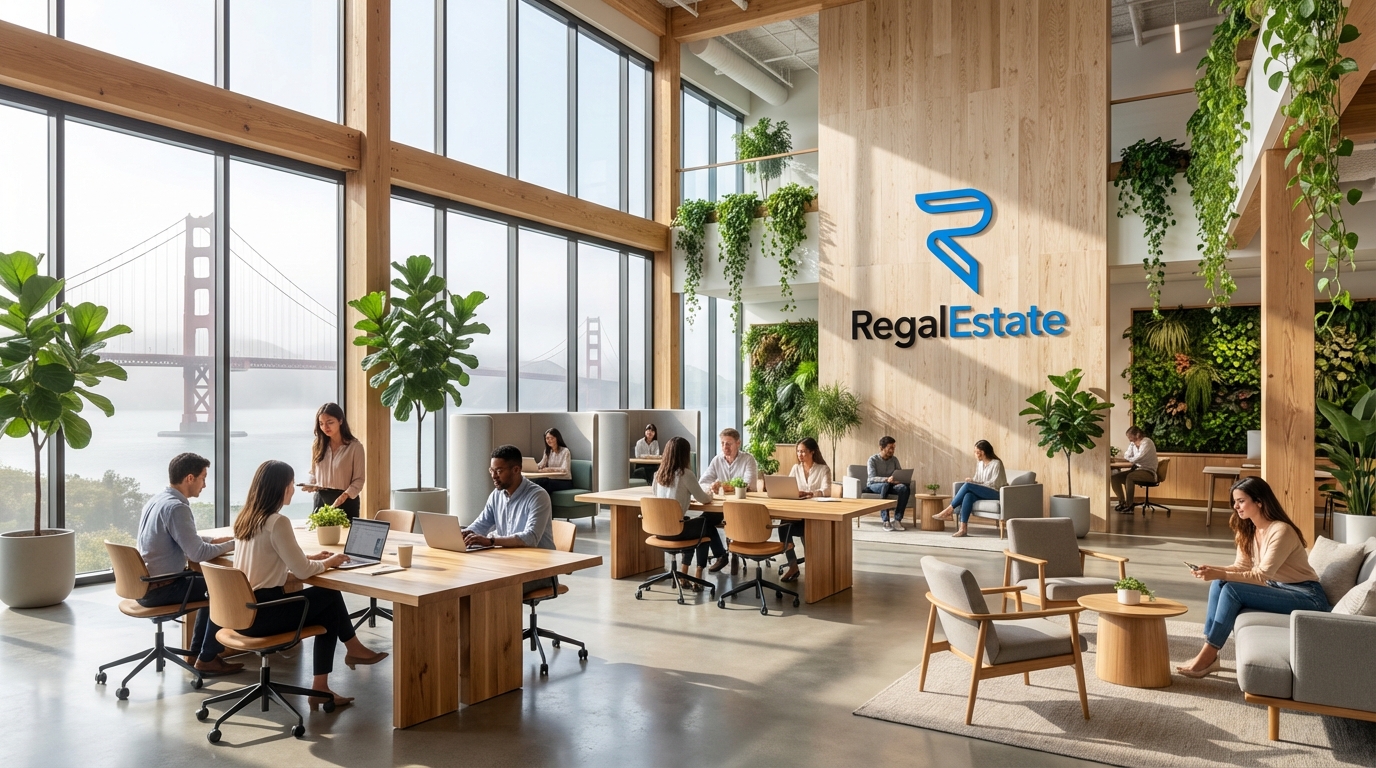
Activity-Based Working (ABW) is a design philosophy that directly responds to the need for choice and flexibility. Instead of assigning a permanent desk to each employee, an ABW model offers a variety of work settings, each tailored to a specific activity. This approach empowers employees to choose where and how they work based on the task at hand. An ABW layout might include a library-like quiet zone for focused writing, collaborative tables with whiteboards for team brainstorming, comfortable lounge areas for informal discussions, and private phone booths for confidential calls. This model inherently trusts employees to manage their own time and workflow, a principle that resonates strongly with the innovative and autonomous culture of many leading companies. For businesses in San Francisco, implementing an ABW strategy can also be a highly efficient use of space. With a hybrid workforce, not all employees are in the office every day, making dedicated desks for everyone a significant and unnecessary expense. ABW ensures that the office footprint is utilized effectively, creating a bustling and energetic hub that adapts to the daily and weekly rhythms of the team, fostering a sense of community and purpose.
Biophilic design: integrating nature for well-being
The integration of natural elements into the built environment, known as biophilic design, has become a cornerstone of modern office layouts. This approach is rooted in our innate human tendency to connect with nature and has been shown to have profound benefits on employee well-being and productivity. Biophilic design goes beyond simply placing a few potted plants on desks. It involves a holistic strategy to incorporate nature through various means: maximizing natural light with large windows and skylights, using natural materials like wood and stone, installing living green walls, and providing direct views of outdoor nature. These elements work together to reduce stress, improve cognitive function, enhance creativity, and create a healthier indoor air quality. In dense urban environments, these connections to nature are especially valuable. By creating a workspace that feels restorative and calming, companies can offer a powerful antidote to workplace stress and burnout. This focus on a healthy mind and body is a critical component in attracting and retaining top talent, demonstrating a company’s genuine commitment to the welfare of its people.
Tech integration as the backbone of modern office design
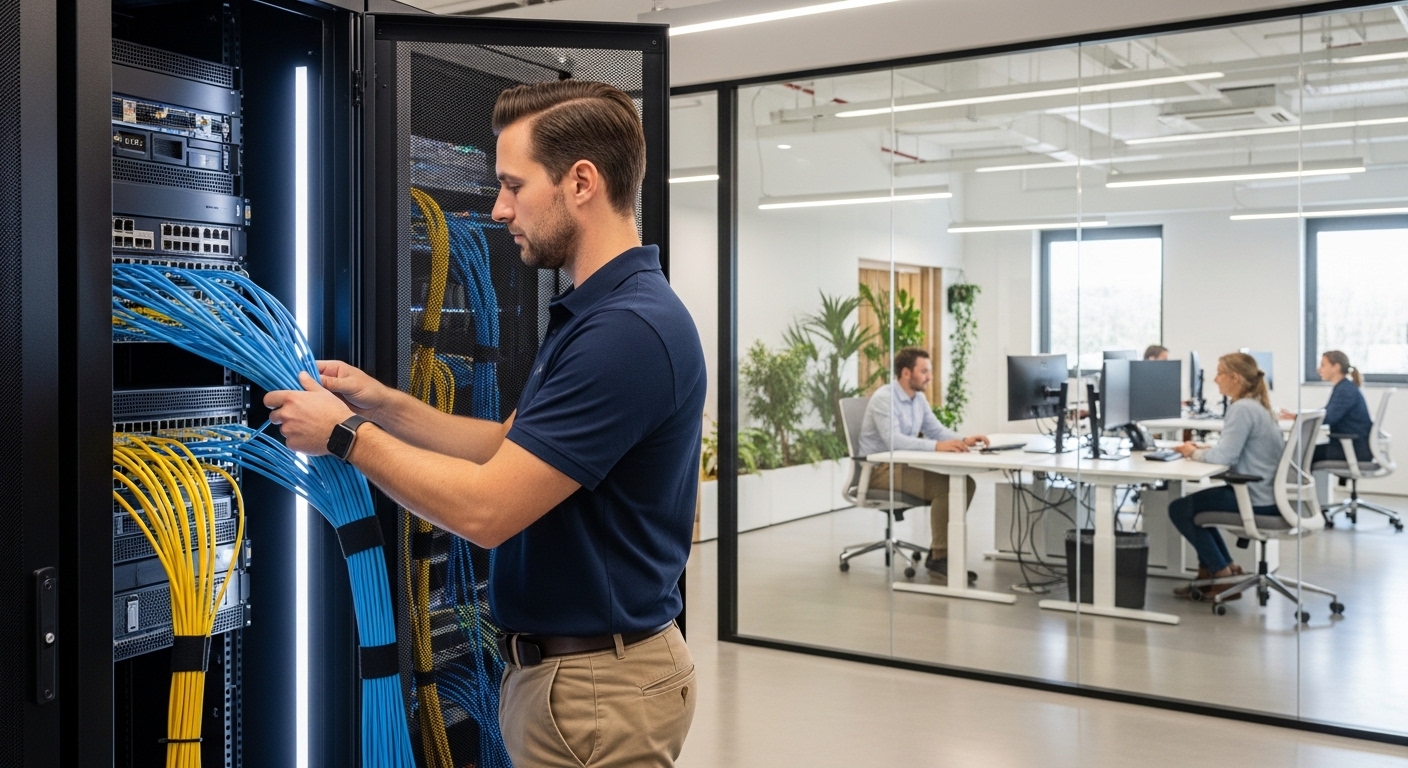
In today’s hybrid work reality, technology is the invisible architecture that holds a distributed team together. A strategic office layout must be built on a robust foundation of seamless tech integration. This means designing spaces that are not only physically comfortable but also digitally connected. Meeting rooms need to be equipped with high-quality video conferencing systems, interactive whiteboards, and simple, one-touch controls to ensure that remote participants are just as engaged as those in the room. The entire office should have pervasive, high-speed Wi-Fi to allow employees to work from any location, be it a focus pod, a collaborative lounge, or an outdoor terrace. Smart building technology also plays a crucial role, with features like app-based desk and room booking systems, automated lighting and climate control that adjust to occupancy, and sensors that provide data on space utilization. This data is invaluable for understanding how the office is actually being used, allowing for continuous improvement and optimization. For the tech-savvy workforce of San Francisco, a frictionless technological experience is not a luxury; it is a fundamental expectation for a productive and efficient workplace.
Sustainability in practice: building a greener workspace
Corporate responsibility now extends to environmental stewardship, and office design is a visible and impactful way to demonstrate this commitment. Sustainable design is about more than just earning a certification; it’s about creating a healthier environment for both employees and the planet. This practice begins with the careful selection of materials, prioritizing those that are recycled, renewable, and locally sourced to reduce carbon footprint. It involves specifying non-toxic paints, finishes, and furniture to improve indoor air quality. Energy efficiency is another critical component, achieved through the use of LED lighting, smart sensors that turn off lights in unoccupied rooms, and high-efficiency HVAC systems. Water conservation measures, such as low-flow fixtures, also contribute to a greener footprint. A sustainable office layout often aligns with other positive design trends. For example, maximizing natural light—a principle of biophilic design—also reduces the need for artificial lighting, saving energy. By building sustainability into the core of their workplace design, companies can create a space that reflects their values, inspires pride among employees, and contributes positively to the broader community.
The modern office is a strategic asset, a physical manifestation of a company’s culture, values, and vision for the future. For businesses operating in a hub of innovation, the layout of a workspace must transcend mere functionality. It must be a dynamic, flexible, and human-centric environment that empowers employees, fosters collaboration, and supports well-being. By embracing principles like neurodiversity, activity-based working, biophilic design, and deep technological integration, companies can create a compelling destination that attracts top talent and fuels creativity. The thoughtful design of an office is an investment in people and performance. It signals a commitment to creating a supportive, engaging, and forward-thinking workplace where great ideas can flourish and the next wave of innovation can be born.