In the relentless hum of commerce that defines New York City, a first impression is not just an advantage; it’s a critical component of survival and success. While digital branding commands significant attention, the physical embodiment of a brand—the office—serves as the ultimate handshake. It’s a tangible, multi-sensory statement of a company’s values, culture, and vision. As businesses compete fiercely for top talent and discerning clients, the strategic branding of their physical space has evolved from a mere aesthetic exercise into a core business imperative. It’s about creating an environment that doesn’t just house a company, but actively communicates its story, fostering connection and driving performance from the moment someone steps through the door. This architectural handshake sets the stage for every interaction to follow, making it a powerful tool in a market that demands nothing less than excellence.
Beyond the lobby logo: defining modern spatial branding
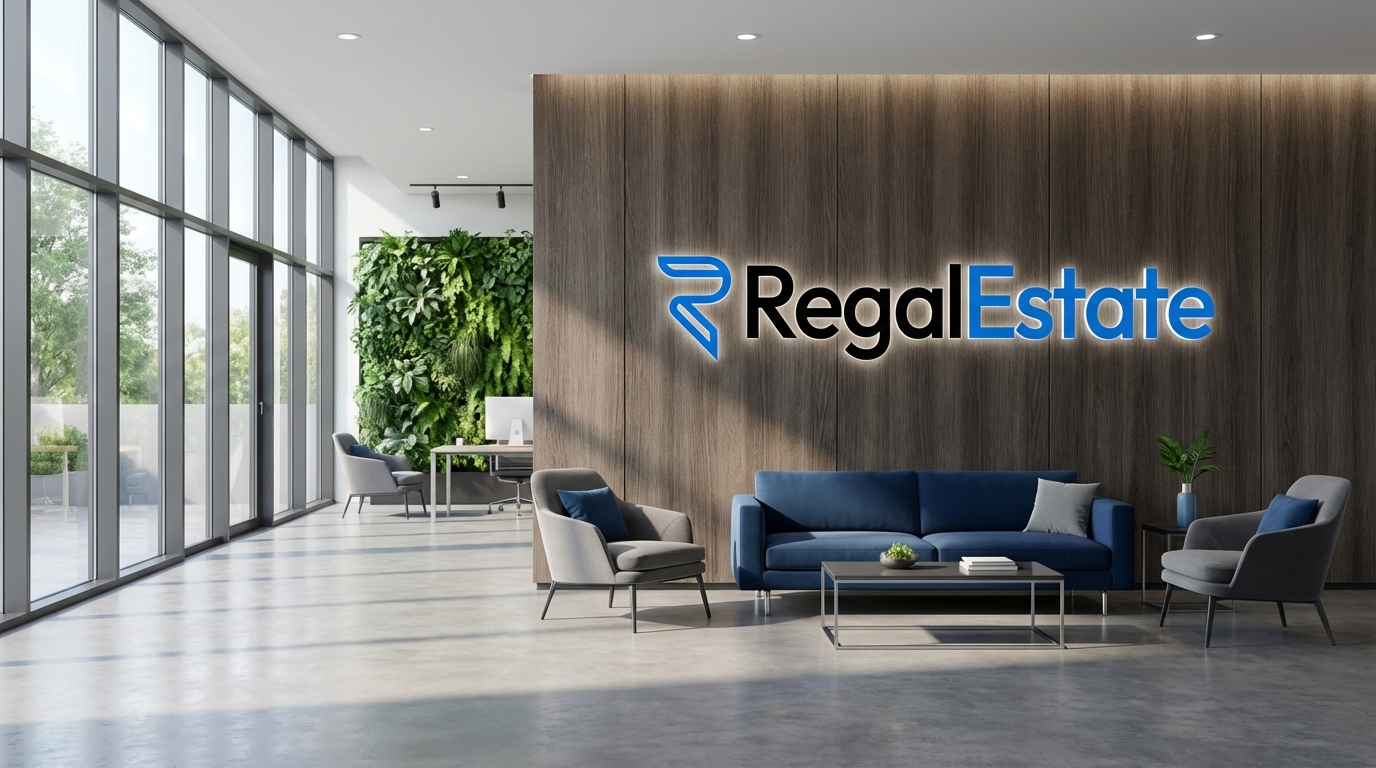
The concept of branding a space has matured far beyond placing a logo on the reception wall. Today, it’s a holistic discipline that integrates interior design, technology, psychology, and brand strategy to create a cohesive and immersive experience. Modern spatial branding is about storytelling. It uses the physical environment as a medium to narrate a company’s journey, its core mission, and its aspirations for the future. This involves a meticulous selection of materials, colors, lighting, and even scents that align with the brand’s identity. For instance, a fintech firm might opt for a sleek, minimalist design with integrated tech and sharp, clean lines to communicate efficiency and innovation. In contrast, a creative agency might use eclectic furniture, vibrant art, and flexible, collaborative zones to reflect its dynamic and imaginative culture. The goal is to create an authentic atmosphere where employees feel a sense of belonging and clients intuitively grasp the essence of the brand. This deeper approach transforms the office from a passive container into an active participant in the brand’s ecosystem, reinforcing its identity at every turn and creating a memorable, lasting impression that resonates with everyone who walks through its doors.
The sensory signature: engaging employees and clients on a deeper level
To truly stand out, a branded space must engage more than just the eyes. Creating a ‘sensory signature’ involves crafting a multi-layered experience that appeals to all five senses. This is where the subtleties of environmental design come into play. Sound, for example, can be managed through acoustic paneling to create zones for both focused work and lively collaboration, with curated playlists in common areas that reflect the brand’s energy. Scent is another powerful, yet often overlooked, tool. A custom ambient scent in the lobby—perhaps something clean and energizing for a wellness brand or rich and woody for a heritage firm—can create an immediate and memorable emotional connection. The tactile experience, from the texture of a reclaimed wood table to the quality of the upholstery, communicates a commitment to detail and quality. Even the sense of taste can be incorporated through a thoughtfully curated selection of coffee, tea, and snacks in the pantry. Within the competitive landscape of New York City, where businesses are constantly vying for attention, developing a unique sensory signature helps to build a powerful and lasting brand memory that differentiates the company in a crowded market.
Designing for culture: how space shapes behavior and boosts retention
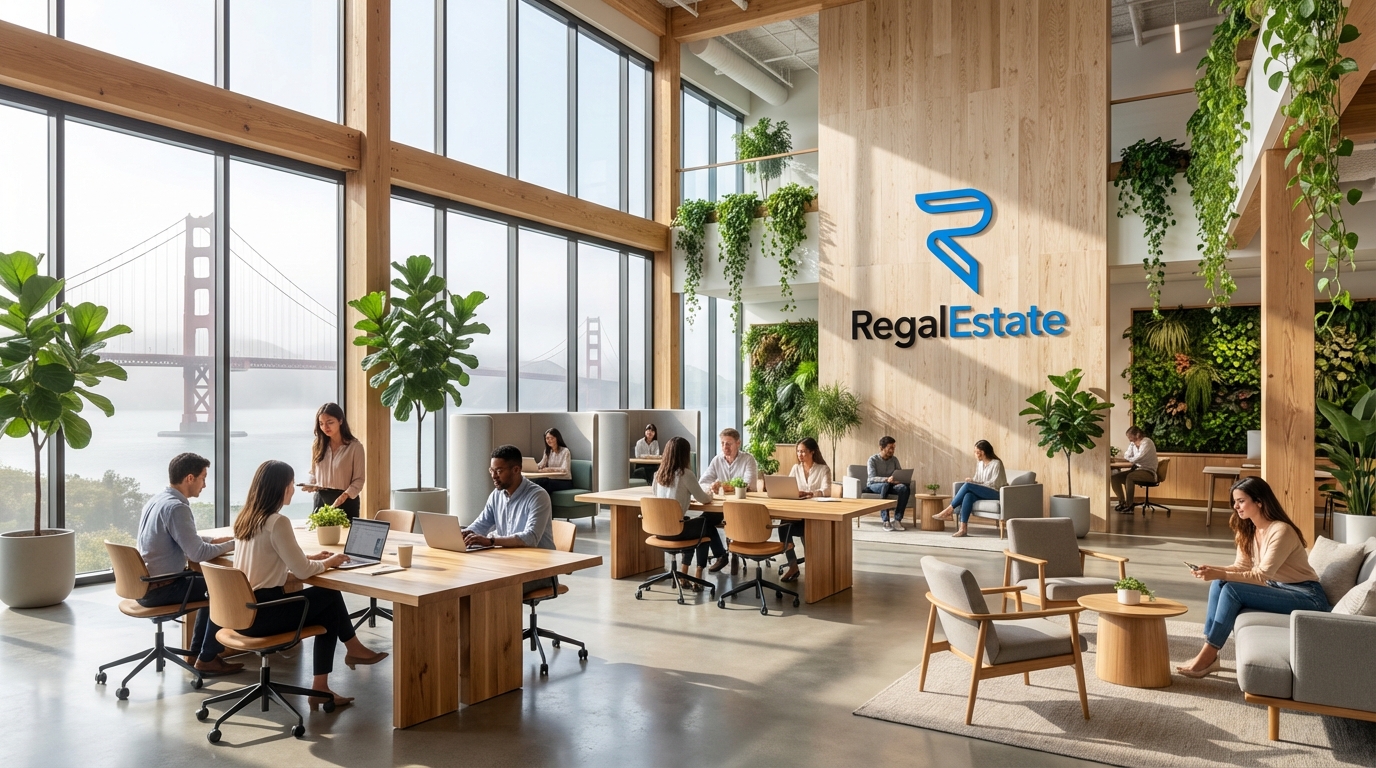
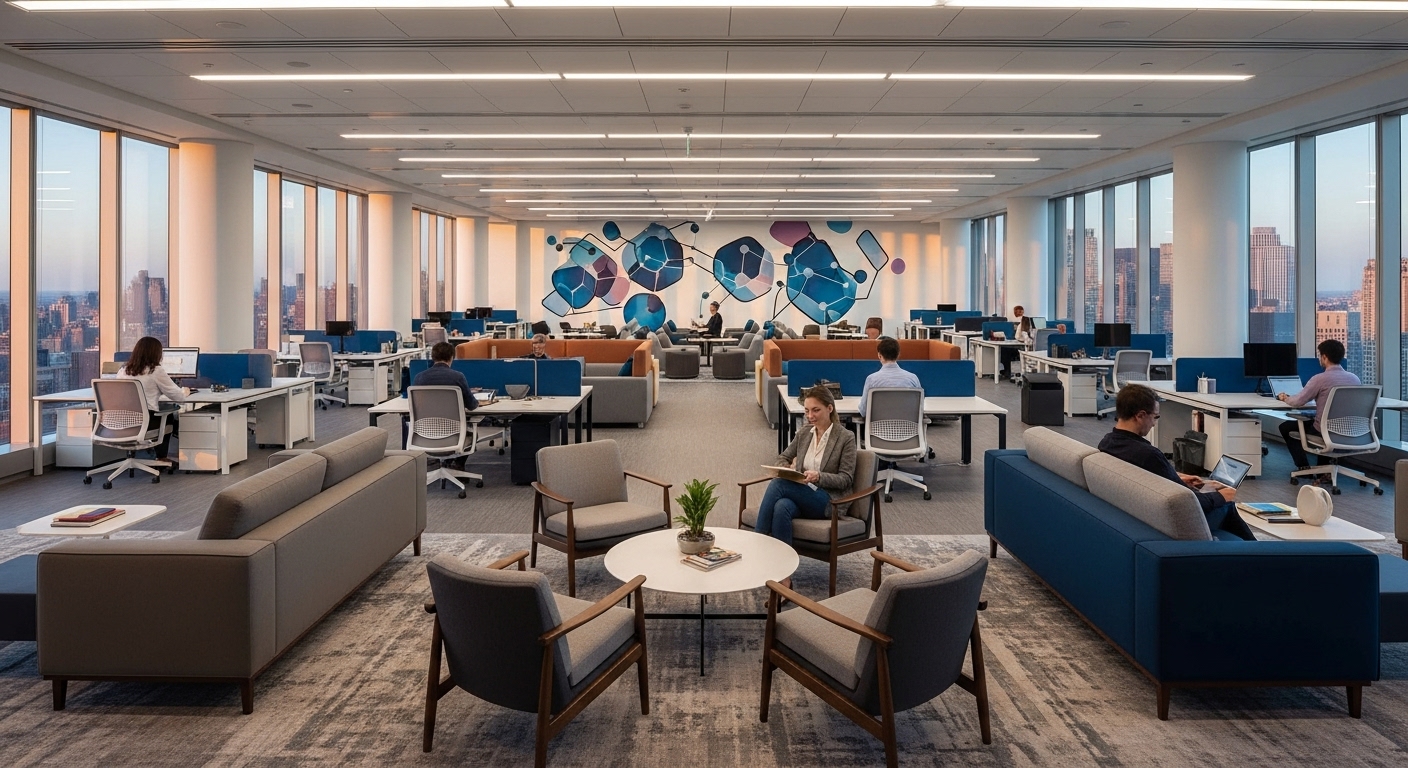
An office is one of the most powerful tools for shaping and reinforcing company culture. The layout and design of a workspace directly influence how people interact, collaborate, and feel about their work. An environment that prioritizes employee well-being and aligns with the company’s values becomes a critical asset in the war for talent. Features like biophilic design—incorporating natural light, plants, and natural materials—have been shown to reduce stress and increase creativity. Offering a variety of work settings, from private booths for deep focus to open lounges for informal brainstorming, empowers employees by giving them control over their environment. This flexibility is crucial for accommodating diverse work styles and the demands of a hybrid workforce. When employees feel that their workspace is designed with their needs and well-being in mind, it fosters a sense of being valued, which in turn boosts morale, productivity, and, most importantly, loyalty. In a city where talent is a company’s greatest asset, a well-branded, human-centric office is no longer a perk but a fundamental component of a successful retention strategy.
The digital layer: integrating technology for an immersive experience
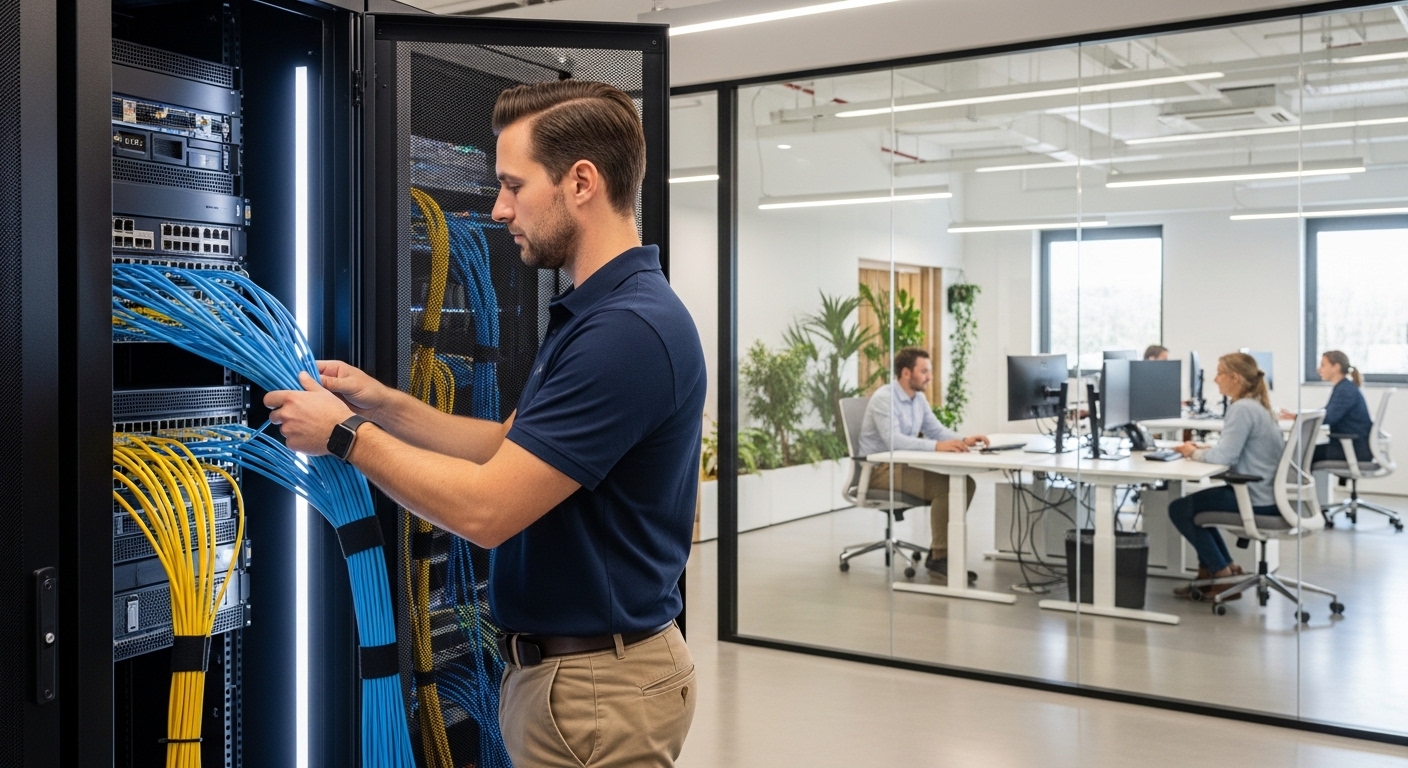
In our digitally-driven world, a branded space is incomplete without a thoughtfully integrated technology layer. This goes beyond providing fast Wi-Fi and functional AV equipment. It’s about using technology to enhance the brand story and create a seamless, interactive environment. Digital displays in reception areas can showcase dynamic content, from company milestones to real-time data visualizations, creating a living, breathing expression of the brand’s pulse. Interactive installations can transform passive waiting areas into engaging touchpoints, allowing visitors to explore the company’s portfolio or values in a hands-on way. Smart building technology, such as apps for booking desks or adjusting lighting and temperature, not only improves efficiency but also communicates a brand’s commitment to innovation and employee comfort. This digital layer should feel intuitive and integrated, not intrusive. When executed correctly, technology serves as an invisible thread that connects the physical space with the brand’s digital presence, creating a cohesive and modern experience that resonates with today’s tech-savvy workforce and clientele. This is particularly vital for companies in New York City, a global hub of technology and innovation.
Materiality as a message: choosing finishes that tell your brand story
Every material, finish, and piece of furniture in a workspace sends a message. The strategic selection of these elements is a fundamental aspect of spatial branding, conveying brand values in a tangible, physical way. A company committed to sustainability can express this through the use of reclaimed wood, recycled materials, and LEED-certified finishes. This is not just an aesthetic choice; it’s a physical manifestation of the brand’s ethos. Similarly, a luxury brand might use marble, brass, and rich velvets to communicate a sense of heritage, quality, and exclusivity. The key is authenticity. The materials chosen should genuinely reflect the company’s identity and not just follow fleeting design trends. The craftsmanship and quality of the construction and furnishings also speak volumes about a brand’s attention to detail and commitment to excellence. By carefully curating the material palette, a company can create a rich, textured narrative that people can see and touch, reinforcing the brand’s story in a way that is both powerful and subliminal. This tactile storytelling adds a layer of depth and authenticity to the brand experience, making it more memorable and impactful.
Measuring the impact: the tangible returns of an intangible investment
While investing in spatial branding may seem like an intangible expense, its impact can be measured through several key business metrics. One of the most significant is employee retention. A well-designed, on-brand office can lead to a demonstrable increase in workplace satisfaction, which is directly correlated with lower turnover rates. This translates into substantial savings on recruitment and training costs. Another key metric is brand perception. A strong physical brand presence can elevate a company’s image, impressing potential clients and partners and reinforcing its position in the market. This can be tracked through client feedback, brand studies, and even social media mentions. Productivity is also a measurable outcome. A workspace designed to support different work modes and enhance well-being can lead to increased focus, collaboration, and overall output. Post-occupancy surveys and productivity analytics can provide concrete data on the effectiveness of the design. For businesses in New York City, where every square foot comes at a premium, justifying the investment in branding a space is crucial. By tracking these tangible returns, companies can clearly see that a well-branded office is not a cost center, but a strategic investment that contributes directly to the bottom line.
Ultimately, branding a space is about creating a destination—a physical anchor for a company’s culture and vision in an increasingly digital world. It’s a powerful declaration of identity, shaping how a company is perceived by clients, partners, and the talent it seeks to attract and retain. In a city that never stops moving, a thoughtfully branded workspace provides a point of clarity and connection, transforming four walls into a dynamic asset that actively works to build the brand. By moving beyond simple aesthetics to create immersive, authentic, and human-centric environments, companies can craft an architectural handshake that is not only firm and confident but also genuinely welcoming. This strategic investment in physical space is an investment in the company’s most valuable assets: its people and its brand. It ensures that the first impression is not just positive, but a true reflection of the innovation and purpose that lies within.