In the heart of Europe, a quiet transformation is reshaping the corporate landscape. Beyond the world of finance and digital innovation it’s renowned for, a new emphasis is being placed on physical identity. For businesses, branding your space is no longer a cosmetic afterthought but a critical strategic tool for attracting elite talent, captivating clients, and embedding company culture. In a global nexus where competition is fierce, the office has become a three-dimensional business card, communicating a brand’s story, values, and vision before a single word is spoken. This evolution moves beyond mere logos on a wall, venturing into a holistic experience that can define a company’s trajectory in an increasingly crowded market.
Beyond the brass plate: defining your spatial brand strategy
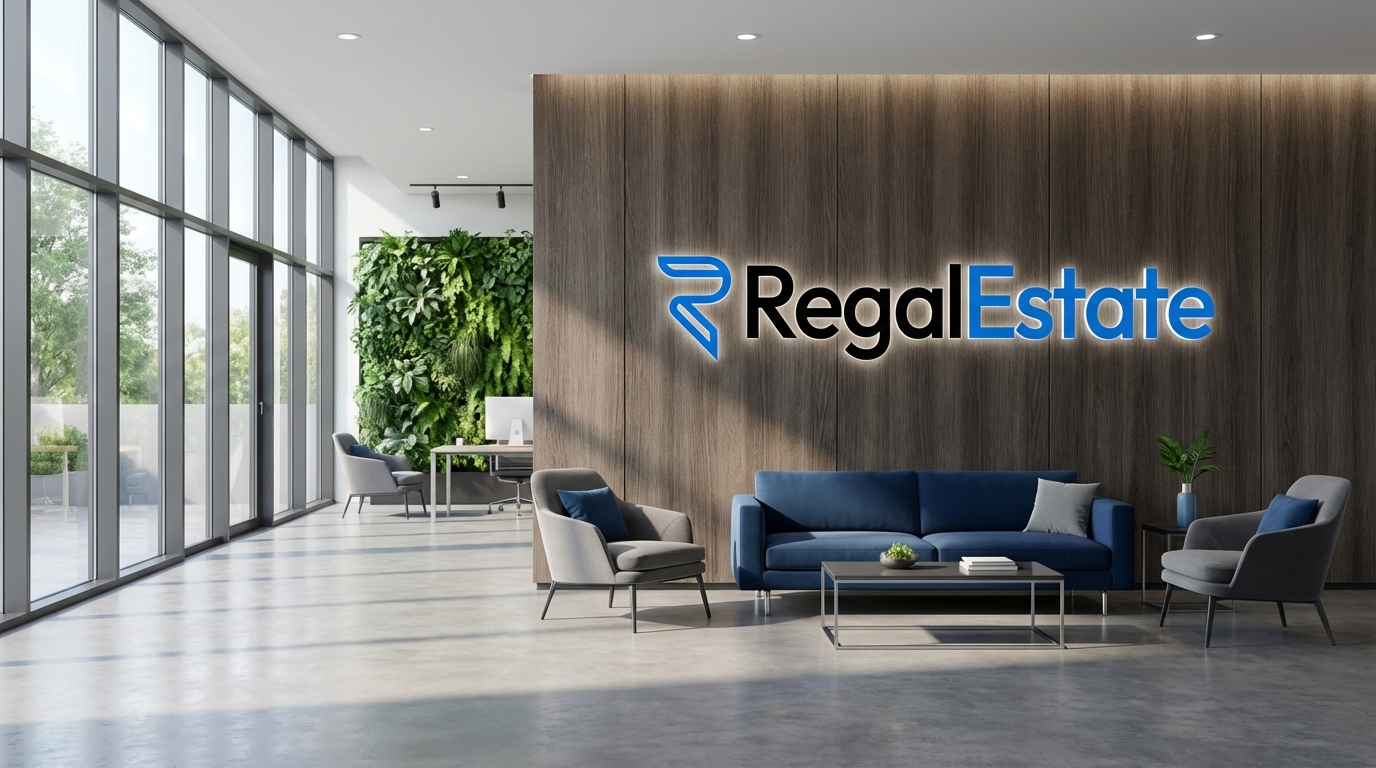
A successful spatial branding strategy begins long before selecting furniture or paint colors. It starts with a deep dive into the core of the organization: its mission, vision, and values. What is the fundamental promise the company makes to its clients and its people? The physical workspace should be a direct translation of this promise. For a fintech firm that prides itself on transparency and cutting-edge technology, this might manifest as an open-plan office with clean lines, integrated smart technology, and glass walls. Conversely, a private wealth management firm emphasizing discretion and legacy might opt for a design that uses rich woods, private offices, and a more traditional, trust-inspiring aesthetic. The key is authenticity. The space must genuinely reflect the company’s DNA. A mismatched design, where a brand that preaches collaboration builds a siloed office, creates cognitive dissonance for both employees and visitors, ultimately undermining the brand’s integrity. It’s about crafting a narrative where every design choice, from the layout to the lighting, serves as a chapter in the company’s story.
The sensory handshake: designing for experience and first impressions
The moment a client or potential employee enters your office, they begin to form an opinion. This first impression is a multi-sensory experience. Visual elements are the most obvious—color palettes should align with brand guidelines, lighting can be engineered to be energizing or calming, and the quality of materials speaks volumes about a company’s commitment to excellence. But branding goes deeper. The acoustics of a space can communicate a sense of vibrant energy or quiet focus. The tactile experience of a heavy oak door or a cool marble reception desk can evoke feelings of stability and permanence. Even scent can be a subtle yet powerful branding tool, with a bespoke fragrance helping to create a memorable and consistent brand environment. By curating each of these sensory inputs, a company designs a powerful and intentional ‘handshake,’ establishing the desired emotional connection and setting the tone for the entire business relationship.
Integrating Grand Duchy heritage with modern corporate identity
One of the most powerful ways to create a memorable space is to weave in elements of the local context. This prevents a generic, placeless office that could exist anywhere in the world. For businesses operating in Luxembourg City, there is a rich tapestry of history, culture, and architectural heritage to draw from. This doesn’t mean creating a pastiche of a medieval castle, but rather finding subtle, sophisticated ways to honor the location. It could be through the use of local stone in the reception area, commissioning artwork from local artists that reflects the city’s unique landscape, or incorporating design motifs inspired by the geometric patterns of the Bock Casemates. This approach demonstrates a company’s respect for and integration into the local community, creating a stronger sense of belonging for local employees and adding a layer of unique storytelling for international visitors. It grounds the global brand with local resonance, making it more authentic and memorable.
Technology as a branding tool: smart offices and digital narratives
In today’s digital-first world, the technological capabilities of a workspace are a direct reflection of the brand’s modernity and efficiency. A branded office seamlessly integrates technology to enhance the user experience. This can range from smart booking systems for desks and meeting rooms that showcase organizational agility, to high-definition video walls in the lobby that display dynamic brand stories and client successes. Interactive screens can replace static signage, allowing for tailored messaging for different visitors. For companies in the tech or innovation sectors, the office itself can become a showroom, demonstrating their products or capabilities in a real-world environment. The goal is to make the technology feel intuitive and supportive, not intrusive. A frictionless technological experience reinforces a brand image of being forward-thinking, user-centric, and a leader in its field, which is a crucial differentiator in the market.
The sustainable statement: eco-friendly design as a core brand value
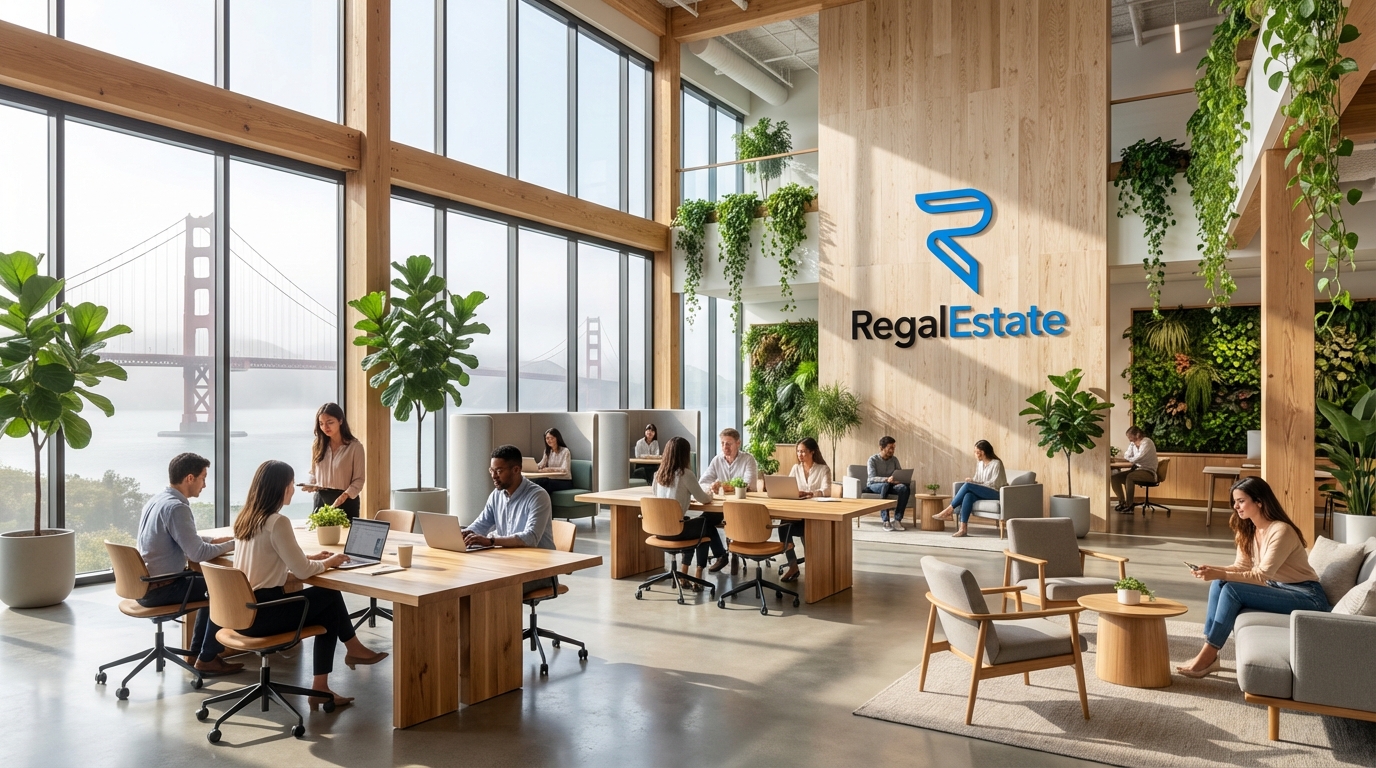
Sustainability has evolved from a niche interest into a core expectation for modern businesses, and office design is one of the most visible ways to demonstrate this commitment. Integrating sustainability is a powerful branding statement. This goes far beyond recycling bins. It involves specifying materials with low environmental impact, maximizing natural light to reduce energy consumption, and incorporating biophilic design elements like living walls and indoor plants. Biophilic design, in particular, has been proven to increase employee well-being and productivity, directly linking the brand’s environmental commitment to the health of its team. In a city as green as Luxembourg City, a sustainable office aligns the company with the values of the wider community. It sends a clear message to clients, partners, and potential hires that the company is a responsible corporate citizen, focused on long-term value for people and the planet.
Measuring the ROI: linking branded space to business outcomes
Investing in a branded workspace is a significant financial decision, and its success can and should be measured. The return on investment (ROI) extends far beyond aesthetics. One of the most critical metrics is talent acquisition and retention. Post-occupancy surveys and exit interviews can reveal how the workspace impacts employee satisfaction, well-being, and pride in the company. A well-designed space can become a key selling point in recruitment, helping to attract the best talent in a competitive market. Another key area is client perception. Feedback can be gathered on how the space influences their view of the brand and their confidence in the company’s capabilities. Productivity metrics can also be analyzed, as a space designed for specific workflows can reduce friction and improve efficiency. For businesses in Luxembourg City, where attracting and keeping top-tier professionals is paramount, an office that actively contributes to a positive and effective work culture is not an expense but a strategic investment in the firm’s most valuable asset: its people.
Ultimately, branding your space is about crafting a narrative. It’s the physical embodiment of a company’s culture, values, and ambitions. In a global financial and tech hub, where first impressions are critical and the competition for talent is relentless, the office is a powerful differentiator. It’s a strategic asset that works around the clock to communicate your brand story, foster innovation, and cultivate a community. By moving beyond generic designs and thoughtfully creating an environment that is authentic, experiential, and aligned with core business objectives, companies can build more than just an office; they can build a landmark for their brand, a home for their culture, and a launchpad for future success.