The great shift in how we work has fundamentally redefined the role of the physical office. No longer just a container for desks and chairs, the modern workplace must earn its commute. In an era of hybrid teams and flexible schedules, the office has evolved from a mandatory location to a deliberate destination. This new reality calls for a new approach: intentional office design. This isn’t merely about aesthetics or cramming more people into a smaller footprint; it’s a strategic philosophy focused on creating environments with a clear purpose, designed to enhance productivity, foster collaboration, and support employee well-being. This post explores how to move beyond outdated layouts and design an intentional office that serves as a powerful tool for building culture and driving success in the new world of work.
The evolution of the office: from presence to purpose
For decades, office design was dictated by hierarchy and a manufacturing-based model of efficiency. The corner office, the cubicle farm, and the open-plan sea of desks were all designed around the core assumption that physical presence equals productivity. The global shift to remote and hybrid work shattered this assumption. Companies now recognize that the office’s primary value isn’t as a place for individual, head-down work—that can often be done more effectively at home. Instead, its value lies in its ability to facilitate the things that are difficult to replicate through a screen: spontaneous collaboration, deep-seated cultural connection, and mentorship. The office is no longer a default setting; it’s a strategic hub. This pivot from ‘presence’ to ‘purpose’ is the driving force behind modern office layout design. The key question has changed from “How do we fit everyone in?” to “What activities do we need to support, and how can our space make them better?” This means creating environments that are specifically tailored to the unique needs of the teams that use them, fostering a sense of community and providing resources that empower employees to do their best work together.
Defining your ‘why’: the foundation of intentional design
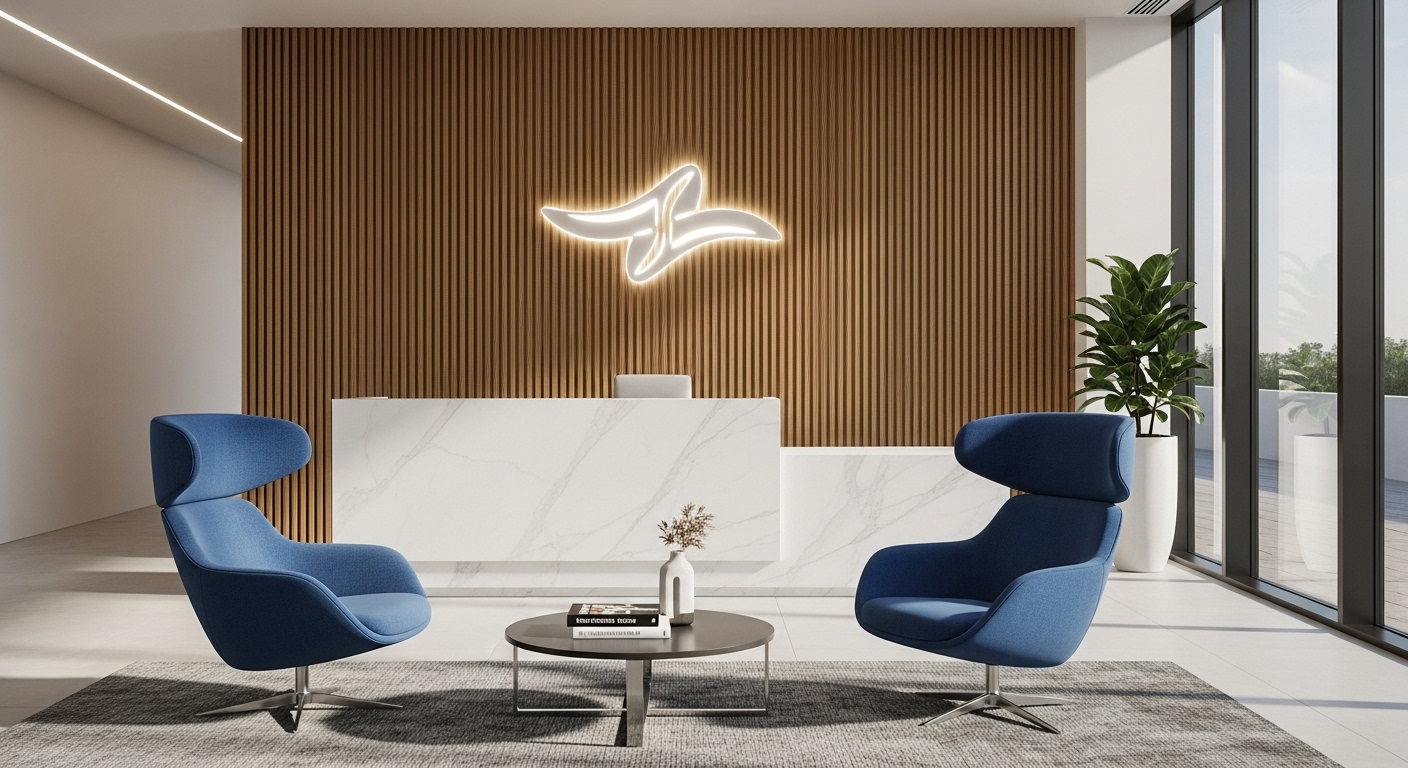
Before selecting a single piece of furniture or knocking down a wall, the most critical step in creating an intentional office is to define its core purpose. This process, often overlooked, is the foundation upon which every other design decision rests. The ‘why’ of your office will be unique to your organization’s culture, workflow, and strategic goals. Are you designing a space primarily for innovation and brainstorming sessions? If so, your layout should prioritize large, open areas with whiteboards, flexible seating, and project rooms. Is the main goal to provide a hub for a hybrid team to connect and build rapport? Then the focus should be on creating comfortable social spaces, high-quality cafes, and lounge areas that encourage informal interaction. Perhaps the primary function is to impress clients and host important meetings. In that case, the design would emphasize a professional reception area, state-of-the-art conference rooms, and private meeting pods. By first answering the question, “What do we want our office to achieve?”, you create a strategic filter for every subsequent choice. This foundational ‘why’ ensures that the final layout isn’t just a collection of trendy design elements, but a cohesive, purposeful environment built to support specific business objectives and the people who will execute them.
The core principles of a purpose-driven layout
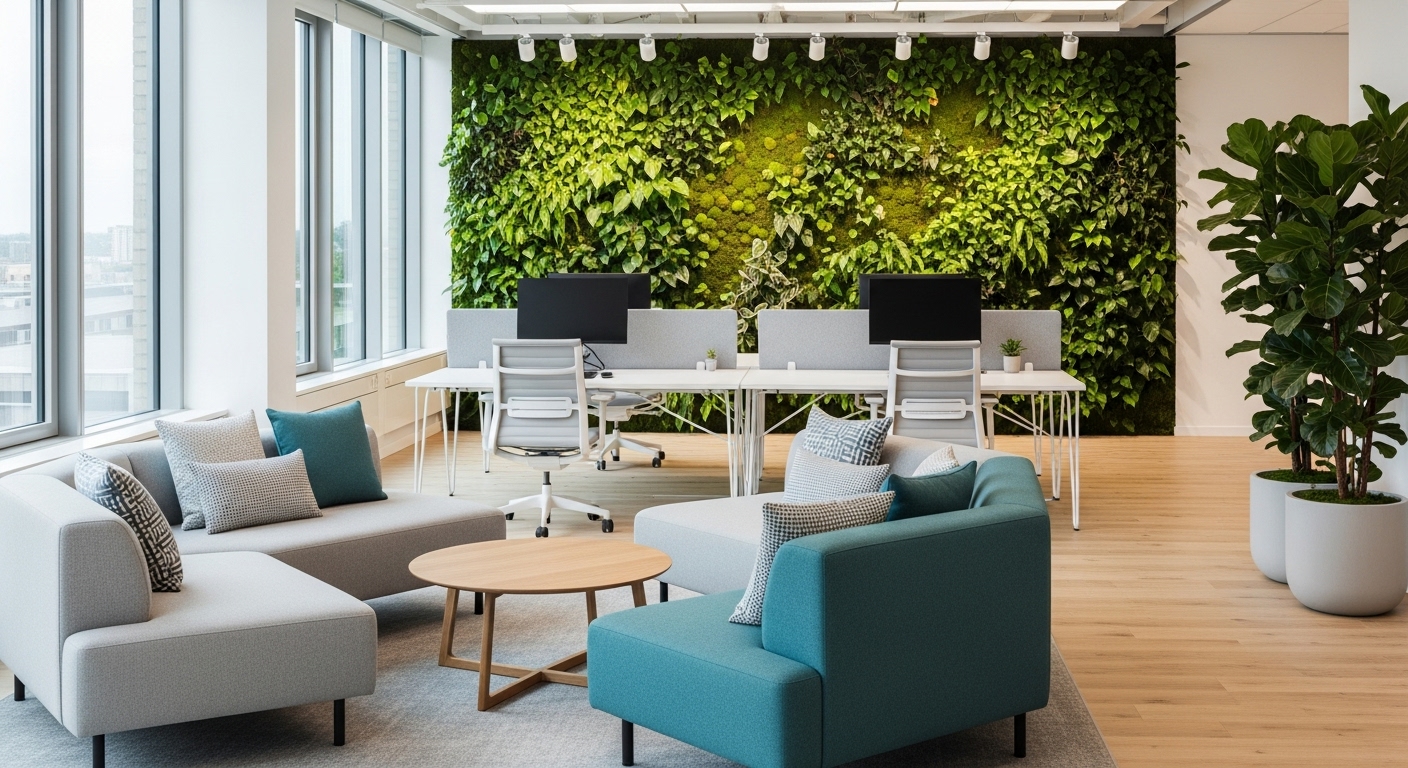
Once your office’s ‘why’ is established, you can begin to implement the core principles of intentional design. The first principle is creating a variety of work environments. This approach, often called Activity-Based Working (ABW), acknowledges that employees perform different tasks throughout the day and require different settings to be effective. Instead of a single assigned desk, staff can choose from a range of zones. The second principle is the deep integration of biophilic design. This involves more than just placing a few potted plants; it means maximizing natural light, using natural materials like wood and stone, and incorporating indoor greenery to reduce stress and improve cognitive function. Research has shown that environments with natural elements can boost productivity and creativity significantly. Finally, the third principle is the seamless fusion of the physical and digital. In a hybrid world, technology is the invisible architecture that holds everything together. This means equipping meeting rooms with high-fidelity video conferencing tools, providing easy access to power and data throughout the space, and implementing smart booking systems for desks and rooms. These principles work in concert to create a holistic, human-centric workspace that is both functional and inspiring.
Zoning for focus, collaboration, and community
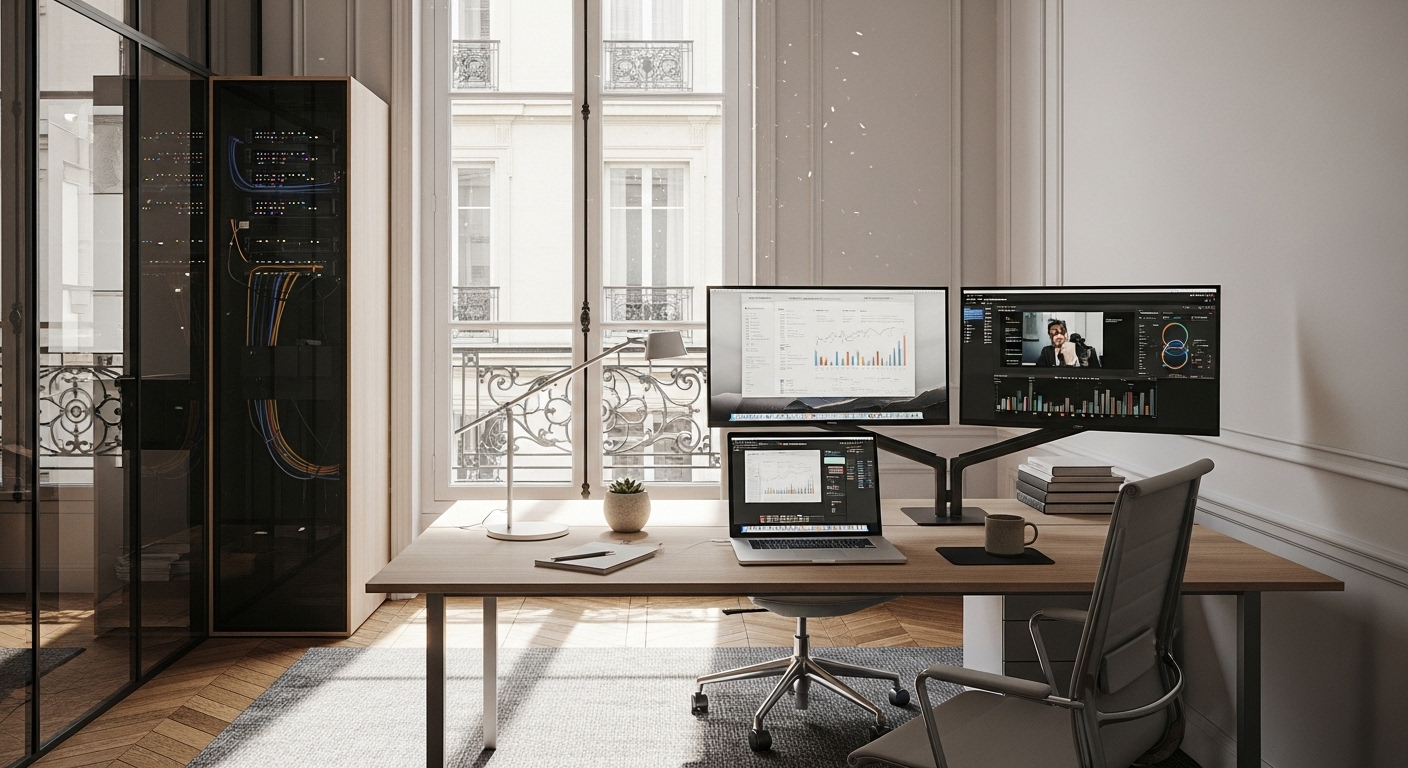
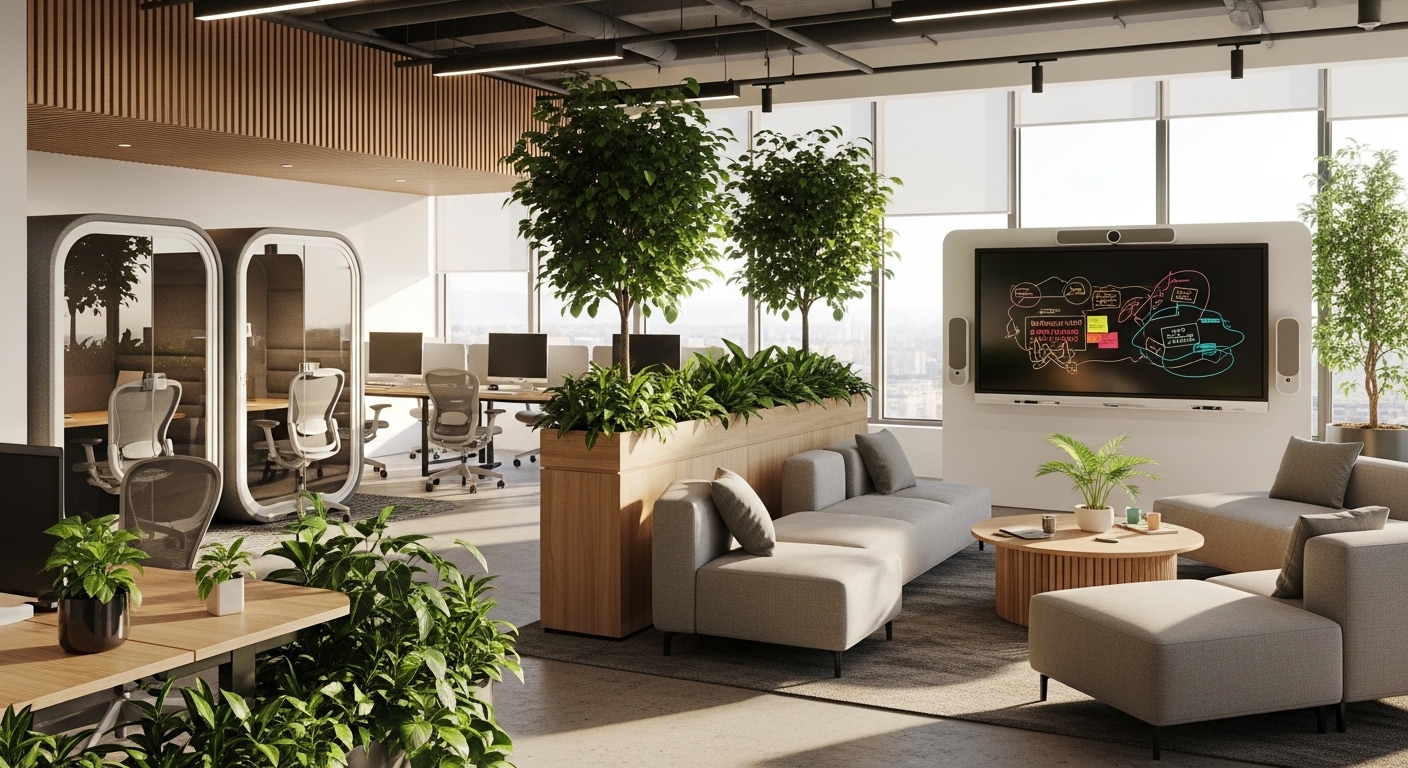
The practical application of Activity-Based Working involves dividing the office into distinct zones, each tailored for a specific type of activity. This ‘neighborhood’ concept is central to creating a successful intentional office. There are typically four key zones. First is the ‘Focus Zone,’ a quiet area designated for deep, concentrated work. These spaces often have library rules, with single-person desks or pods, and acoustic paneling to minimize distractions. Second is the ‘Collaboration Zone,’ dynamic areas designed for teamwork. These include open spaces with modular furniture, project tables, and ample whiteboard or digital display surfaces. Third is the ‘Connect Zone,’ which consists of private, acoustically sealed pods or small rooms for phone calls and video conferences, ensuring that an individual’s virtual meeting doesn’t disrupt those working nearby. Lastly, the ‘Community Zone’ acts as the social heart of the office. This includes the kitchen, cafe-style seating, and comfortable lounge areas where employees can build relationships, decompress, and engage in the spontaneous conversations that spark innovation. By providing a rich variety of zones, you empower employees to choose the environment that best suits their task at hand, giving them autonomy over their workday and boosting overall effectiveness.
Flexibility: future-proofing your physical workspace
In a rapidly changing business landscape, rigidity is a liability. The needs of your team and your company will evolve, and your office space must be able to evolve with them. This is where flexibility becomes a cornerstone of intentional design. A future-proofed office is not a static environment but an adaptable one. This is achieved primarily through the use of modular furniture and movable architectural elements. Think furniture on casters that can be easily reconfigured for a team brainstorm or an all-hands meeting, lightweight partitions that can create temporary private spaces, and stackable seating that can be stored away to open up a room for an event. This approach allows the office layout to be a dynamic asset rather than a fixed cost. It enables organizations to scale their teams up or down, shift departmental adjacencies, and experiment with different workflows without requiring costly and disruptive renovations. By prioritizing flexibility, you are not just designing for the company you are today, but for the company you will be in the years to come, ensuring your real estate investment remains valuable and relevant over the long term.
Technology as the backbone of the hybrid office
For an intentional office to truly succeed in a hybrid model, technology must be woven into its very fabric. It is the invisible infrastructure that ensures seamless connectivity and equity between in-office and remote employees. The first layer is robust, high-speed Wi-Fi that is reliable in every corner of the space, from conference rooms to casual lounges. The second, and perhaps most critical, layer is high-quality conferencing technology. Every meeting space, from a single-person pod to a large boardroom, must be equipped with user-friendly systems that include high-resolution cameras, clear audio, and simple screen-sharing capabilities. The goal is to create a ‘meeting equity’ where remote participants feel just as present and included as those physically in the room. Beyond meetings, technology also plays a key role in managing the space itself. Desk and room booking apps allow employees to reserve a spot before they commute in, removing friction and uncertainty. Smart sensors can provide valuable data on space utilization, helping facilities managers understand which zones are most popular and how the layout can be further optimized. In the modern office, technology is not an afterthought; it is the essential connective tissue that makes a purposeful, flexible design function effectively for everyone.
Conclusion: the office as a strategic asset
Moving away from the legacy model of assigned seating and uniform layouts is no longer a trend; it is a strategic imperative. The intentional office is a direct response to the new demands of the modern workforce, offering a powerful solution for companies navigating the complexities of hybrid work. By starting with a clear, defined purpose and building a space that offers a variety of zones for different work modes, you transform the office from a costly overhead into a strategic asset. An environment designed for flexibility can adapt to future challenges, while one rich in biophilic elements and supportive technology promotes the well-being and productivity of your most valuable resource: your people. Ultimately, the intentional office is more than just a place to work. It is a physical manifestation of a company’s culture, a hub for innovation, and a powerful tool for attracting and retaining the talent needed to thrive in a new era. It is a space designed not just for work, but for working better.