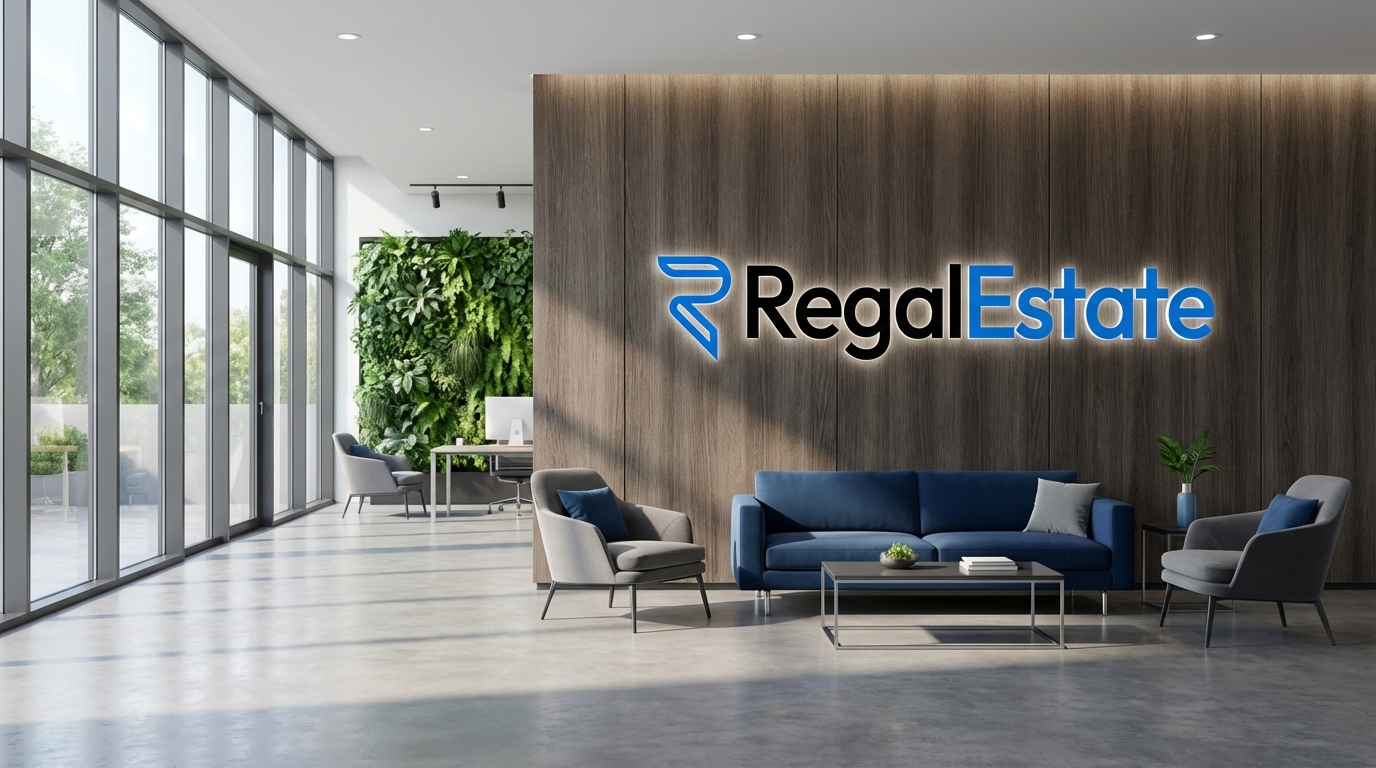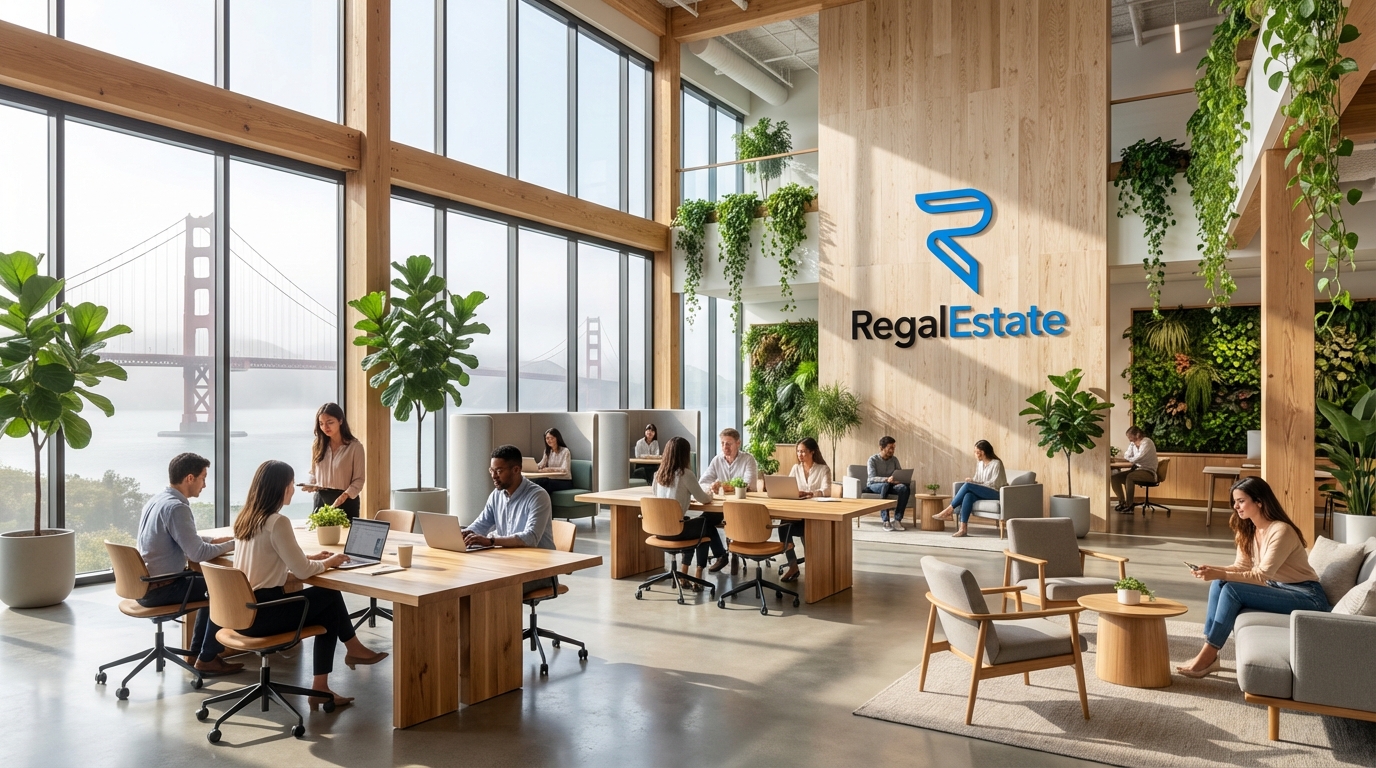
In today’s competitive business landscape, a brand is no longer just a logo or a mission statement; it’s an immersive experience. For forward-thinking companies, the physical workspace has become a powerful medium for storytelling and a critical component of corporate identity. This evolution moves beyond mere aesthetics, transforming the office into a strategic asset that can enhance productivity, attract top talent, and solidify client relationships. As businesses increasingly recognize the profound impact of environment on culture and performance, the deliberate act of branding an office space is taking center stage. This trend is particularly relevant in dynamic, international business hubs, where distinction and a strong corporate presence are paramount for success.
The concept of a branded workspace is about creating a physical manifestation of a company’s values, vision, and culture. It’s an approach that weaves the brand’s narrative into the very fabric of the office, from the layout and color palette to the choice of furniture and technology. This creates a cohesive experience that constantly reinforces what the company stands for, turning employees into brand ambassadors and leaving a lasting impression on visitors. In a city known for its sophisticated financial and corporate sectors, this strategic approach to design and logistics is becoming a key differentiator.
Beyond the logo: defining your brand’s physical narrative
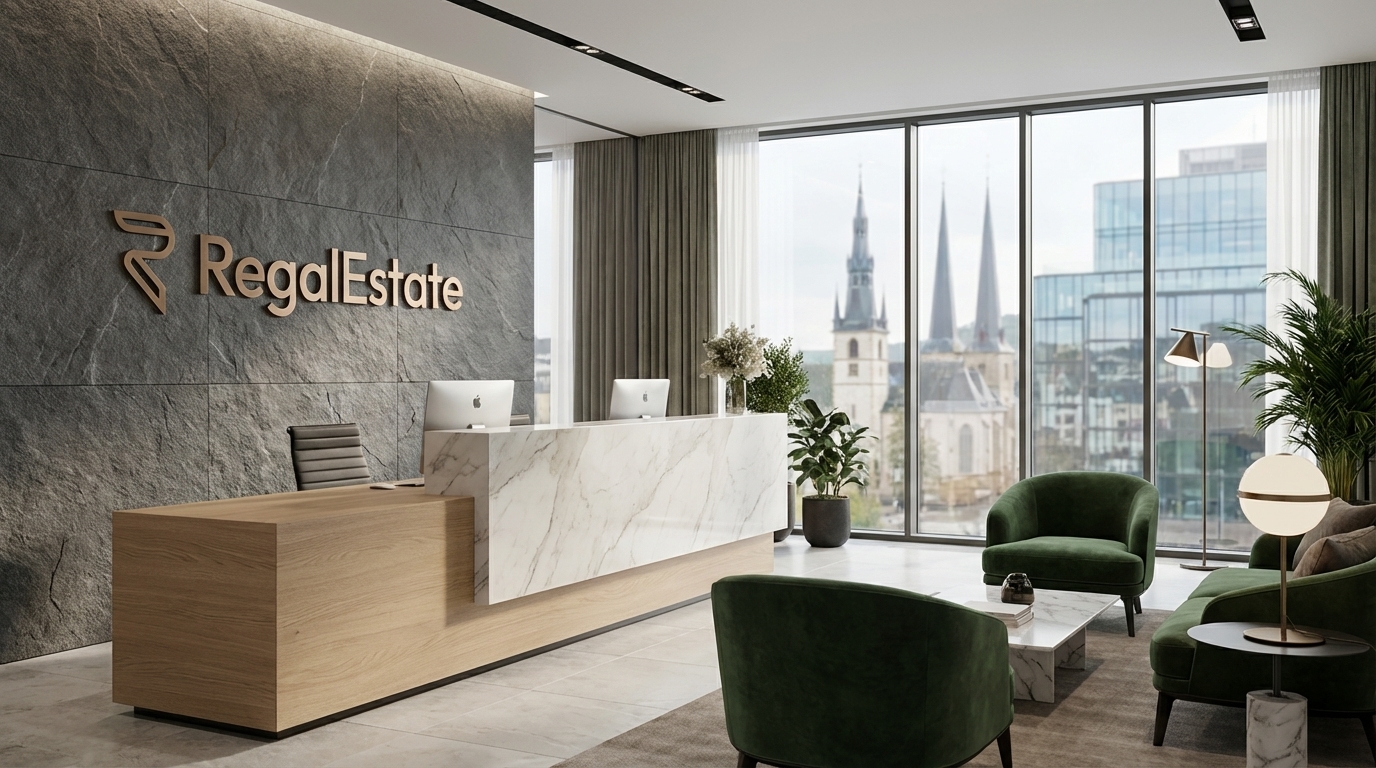
Truly effective workspace branding goes far deeper than placing a logo on a wall. It’s about translating abstract brand values into a tangible, three-dimensional experience. The process begins with a deep dive into the core of the company’s identity: What are its foundational values? What is its unique story? How does it want employees and clients to feel when they enter the space? The answers to these questions form the blueprint for the entire design. For example, a brand that prides itself on innovation might opt for an open, agile layout with flexible furniture, writable surfaces, and integrated technology to foster collaboration and creativity. In contrast, a brand focused on trust and stability might choose a more structured design with classic materials like wood and stone, private offices for focused work, and a palette that evokes a sense of calm and permanence. Every element, from the texture of the carpet to the art on the walls, becomes a deliberate choice that contributes to the overarching brand narrative. This meticulous approach ensures that the physical environment is not just a container for work but an active participant in building and reinforcing the company’s culture and identity.
The psychology of color and space in corporate design
The psychological impact of our surroundings is a powerful, often subconscious, force. In corporate design, leveraging the psychology of color, light, and spatial arrangement is crucial for creating a branded environment that elicits the desired emotional and behavioral responses. Color theory, for instance, provides a framework for selecting palettes that align with a brand’s message. Blues can instill a sense of calm and trust, making them suitable for financial institutions, while vibrant yellows and oranges can stimulate energy and creativity, ideal for tech startups. Natural light is another critical factor; studies have consistently shown its positive effects on mood, productivity, and well-being. Maximizing daylight through large windows and strategic layouts can help create an energizing and positive atmosphere. The very configuration of the space also sends a strong message. An open-plan office can signal transparency and collaboration, whereas a design with more private, enclosed areas might communicate a focus on precision and deep concentration. For businesses in Luxembourg City, a global center for finance and law, achieving this balance is key to designing a space that is both welcoming and professional.
Local inspiration: reflecting heritage in modern design
A globally-minded brand understands the importance of local context. Integrating elements of a city’s unique culture and heritage into office design is a sophisticated way to create a space that feels both authentic and deeply rooted. This approach, often called ‘glocal’ design, avoids a one-size-fits-all template and instead fosters a meaningful connection between the workspace and its location. For a workspace in a city with such a rich history, this could mean incorporating subtle design cues that echo its medieval fortifications or its modern architectural landmarks. This might manifest in the use of local materials like sandstone, the commissioning of art from local artists, or the integration of patterns and motifs inspired by the region’s landscape. This strategy does more than just beautify a space; it shows a respect for the local culture, which can resonate positively with both local employees and international clients. It creates a memorable and unique brand experience that distinguishes the company from its competitors, demonstrating a commitment to being a thoughtful and integrated member of the local business community.
Sustainable branding: eco-friendly design as a core value
In an era of increasing environmental consciousness, sustainability has become a non-negotiable aspect of corporate responsibility and, by extension, a powerful component of brand identity. Integrating sustainable practices into workspace design is a clear and impactful way to demonstrate a company’s commitment to the future. This goes beyond simply adding recycling bins; it involves a holistic approach to the office’s entire lifecycle. Key elements include the use of recycled and locally sourced materials, the installation of energy-efficient lighting and HVAC systems, and the implementation of water-saving fixtures. Biophilic design, which incorporates natural elements like living walls, indoor plants, and natural light, not only enhances the aesthetic but also improves air quality and employee well-being. For a company in Luxembourg City, a nation that champions green initiatives, showcasing these values through a sustainably designed office sends a powerful message. It aligns the brand with the progressive values of the community and appeals to a new generation of talent that prioritizes working for environmentally conscious organizations.
The hybrid challenge: extending brand identity beyond the office
The rise of hybrid and remote work has presented a new frontier for corporate branding: how do you maintain a cohesive brand experience when your team is geographically dispersed? The physical office remains the anchor of brand identity, but the strategy must now extend to the digital and remote workspace. This means ensuring that employees have the technological tools and ergonomic support they need to create a productive and on-brand home environment. Companies are achieving this by providing branded equipment, offering stipends for home office furniture, and investing in robust digital platforms that foster seamless collaboration and communication. The central office transforms into a cultural hub, a place designed for specific activities like team-building, client meetings, and intensive collaborative sessions. The design of this hub becomes even more critical, as it must perfectly encapsulate the brand’s essence for employees who may only visit intermittently. This blended approach ensures that the company’s culture and identity remain strong and consistent, regardless of where the work is being done.
Measuring the ROI of a strategically branded workspace
Investing in a professionally branded workspace is a significant undertaking, and like any business decision, its return on investment (ROI) must be measurable. While some benefits, like enhanced aesthetics, are immediately apparent, the most valuable returns are often strategic and long-term. Key performance indicators can include improvements in employee engagement and retention rates, as a thoughtfully designed office contributes to job satisfaction and a sense of belonging. Another critical metric is talent attraction; a compelling workspace can be a major differentiator in a competitive job market. Productivity levels can also be tracked, as an environment optimized for specific tasks can reduce friction and improve workflow. Furthermore, a well-branded space can directly impact sales and client acquisition. A memorable and impressive office environment can build client confidence and reinforce the brand’s professionalism and credibility. By tracking these metrics, businesses can quantify the immense value that a strategically designed physical space brings to the organization, proving that it is not a cost center, but a vital investment in the company’s future success.
In conclusion, branding your space is a sophisticated and essential strategy for modern businesses seeking to thrive. It is a holistic discipline that fuses design, psychology, and corporate identity into a powerful, unified statement. For companies operating in the demanding and prestigious environment of Luxembourg City, a strategically branded workspace is no longer a luxury—it is a fundamental tool for building a resilient culture, attracting the world’s best talent, and forging a lasting legacy of success. By thoughtfully crafting an environment that reflects its core values, a company can create more than just an office; it can build a home for its brand, a catalyst for innovation, and a clear signal of its leadership in the market. The message is clear: the way a company presents its physical space is a direct reflection of its vision for the future.