In an age where brand identity is paramount, companies often focus immense resources on their digital presence, logos, and marketing campaigns. Yet, one of the most powerful and immersive brand touchpoints is frequently overlooked: the physical workspace. In the current business landscape, where the office serves as a cultural hub rather than just a place for task execution, its design has become a critical strategic tool. Moving beyond mere aesthetics, today’s leading companies are crafting multi-sensory environments that tell a story, reinforce values, and create a tangible connection to their brand. This evolution from static decoration to dynamic, experiential design is crucial for attracting top talent, fostering innovation, and building a cohesive company culture. This guide provides a blueprint for transforming your office from a simple container for work into a living embodiment of your brand’s unique identity, engaging every sense to create a lasting impact.
Beyond the logo: redefining workspace branding
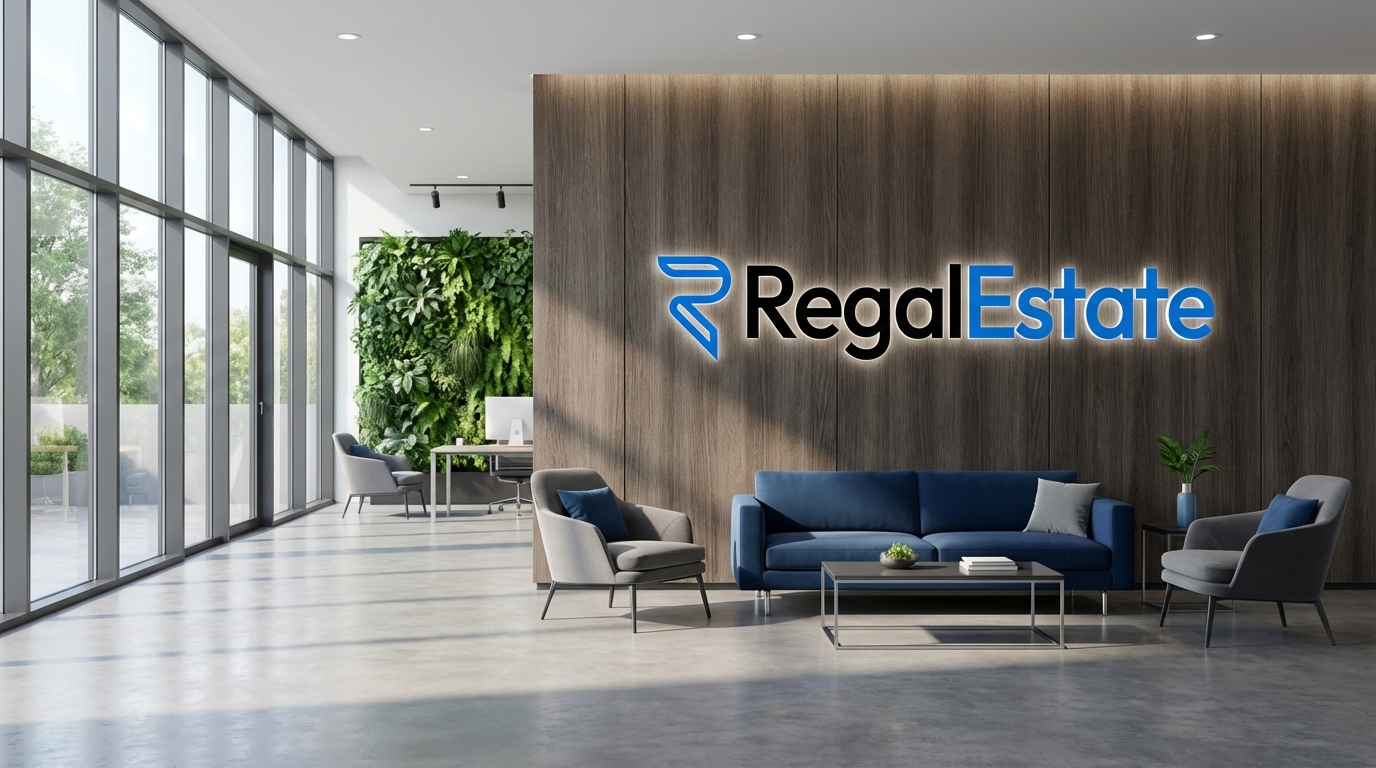
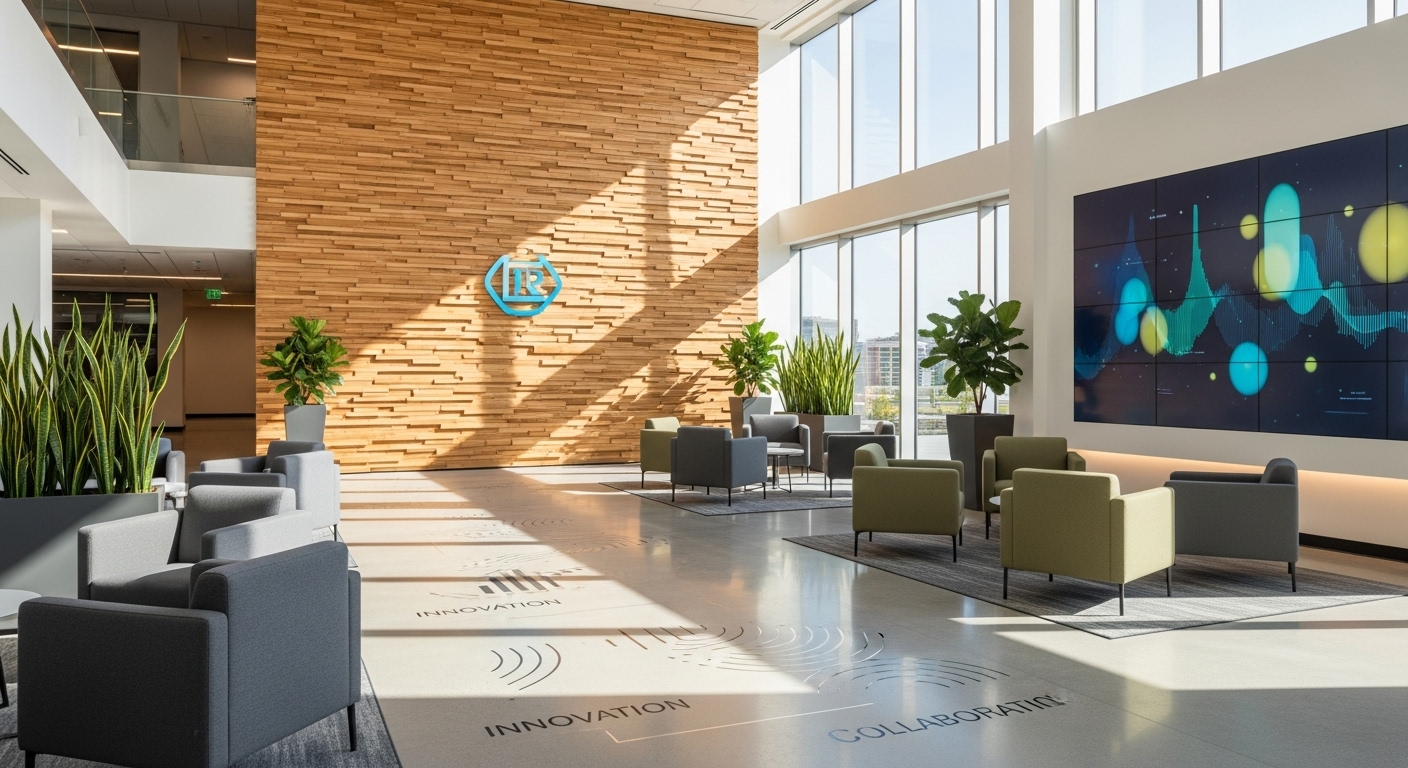
For decades, office branding was often a superficial exercise. It meant placing a logo in the lobby, painting a feature wall in the corporate color, and perhaps displaying framed mission statements. While these elements have their place, this approach fails to capture the true essence of a brand. Today’s understanding of spatial branding is far more sophisticated. It’s an experiential strategy that involves translating a company’s abstract identity—its values, mission, and personality—into a three-dimensional, sensory experience. This modern approach recognizes that employees and visitors don’t just see the brand; they should feel it, hear it, and interact with it from the moment they walk through the door. It’s the difference between a workplace that is simply decorated and one that is intentionally curated. A truly branded space influences behavior and emotion, fostering the very culture it seeks to represent. For example, a brand that values innovation might opt for flexible, modular furniture and writeable surfaces to encourage spontaneous brainstorming, rather than just hanging a poster that says “Innovate.” This shift is about creating an authentic atmosphere that communicates the brand promise implicitly and powerfully, making the physical environment a core component of the overall brand ecosystem.
The foundation of authenticity: aligning space with core values
The most successful branded spaces are built on a foundation of authenticity, which begins with a deep understanding of the company’s core values. Before a single furniture choice is made or a color palette is selected, a crucial translation process must occur. Abstract values like ‘transparency,’ ‘sustainability,’ or ‘collaboration’ must be converted into tangible design principles. If transparency is a key value, the design might incorporate glass walls, open-plan layouts, and centralized common areas that break down physical and hierarchical barriers. A commitment to sustainability can be expressed through the use of reclaimed or recycled materials, biophilic design that brings nature indoors, and energy-efficient systems. A culture of collaboration can be nurtured by creating a variety of formal and informal meeting spaces, from large conference rooms to cozy nooks and communal tables. This alignment ensures the workspace is not just visually appealing but also functionally and philosophically consistent with the company’s identity. As one design expert notes,
“The physical workspace is a powerful, often unspoken, communicator of a company’s core values. Every element of office design can either reinforce or undermine the culture an organization strives to cultivate.”
Involving employees in this process through surveys and workshops can uncover valuable insights and ensure the resulting design resonates with the people who use it every day, fostering a sense of belonging and shared purpose.
Curating the visual experience: color, light, and materials
Sight is the sense we most immediately associate with design, and its elements—color, lighting, and materials—are fundamental tools for visual storytelling. Color psychology plays a vital role; a brand’s palette can be used to evoke specific emotions and guide behavior. For instance, blues and greens can create a calm, focused atmosphere, while yellows and oranges can stimulate energy and creativity. However, this goes beyond simply painting a wall. Color can be woven into furniture, flooring, and acoustic panels to create distinct zones for different activities. Lighting is equally critical. Natural light is proven to boost well-being and productivity, so maximizing it should be a priority. In areas without natural light, dynamic lighting systems that can change color temperature and intensity throughout the day can mimic circadian rhythms and enhance employee comfort. The choice of materials also sends a strong message. Polished concrete and exposed steel can convey an industrial, tech-focused vibe, while natural woods and soft textiles create a warmer, more ‘resimercial’ feel that aligns with brands prioritizing comfort and well-being. The key is to create a cohesive visual narrative where every element works in concert to reinforce the brand’s intended personality and create a visually stimulating, yet comfortable, environment.
The power of touch and texture: crafting a tactile identity
While visuals are immediate, the sense of touch creates a deeper, often subconscious, connection to an environment. The tactile experience of a workspace—the textures of its surfaces and the quality of its furnishings—speaks volumes about a brand’s attention to detail and its commitment to quality and comfort. Consider the difference between a cold, laminate desk and a solid wood surface, or a standard-issue office chair and an ergonomic one upholstered in a rich fabric. These tactile interactions shape our perception of a space. A luxury brand might use materials like leather, velvet, and marble to convey sophistication and exclusivity. A brand focused on sustainability and nature might opt for reclaimed wood, natural stone, and fabrics made from organic fibers. The tactile identity extends beyond furniture to walls, flooring, and even door handles. A rough, exposed brick wall communicates a different feeling than a smooth, plastered one. Plush carpeting in a quiet zone offers a different tactile feedback than the polished concrete of a high-traffic hallway. By intentionally layering textures, designers can create a rich, multi-dimensional environment that is more engaging and memorable. This focus on the haptic sense makes the brand feel more tangible and real, reinforcing its values through physical interaction and creating a subliminal sense of quality and care.
Designing the sound and scent of your brand
The most immersive branded environments engage the often-overlooked senses of sound and smell. Auditory and olfactory cues are powerful drivers of emotion and memory, and they can be strategically deployed to shape the atmosphere of a workspace. Sound, or acoustics, is critical for productivity and well-being. An office that is too loud can be distracting, while one that is too quiet can feel sterile. Acoustic design involves more than just soundproofing; it’s about curating the sonic environment. This can include using sound-absorbing materials like felt panels and acoustic lighting, creating ‘white noise’ zones for focus, and designing collaborative areas where conversation is encouraged but contained. Some brands even develop a ‘sonic identity,’ a curated playlist that reflects their personality—energetic and upbeat for a young startup, or classical and subdued for a traditional law firm. Scent branding, or ‘scent marketing,’ is another powerful tool. A subtle, signature scent diffused in the lobby can create a welcoming and memorable first impression. Much like a hotel or retail store, an office can use scent to reinforce its brand identity. A company focused on wellness might use a calming lavender or eucalyptus scent, while a creative agency might opt for an energizing citrus fragrance. These invisible design layers are instrumental in crafting a complete sensory experience that solidifies brand identity and enhances employee satisfaction.
The dynamic space: layouts for a flexible, hybrid world
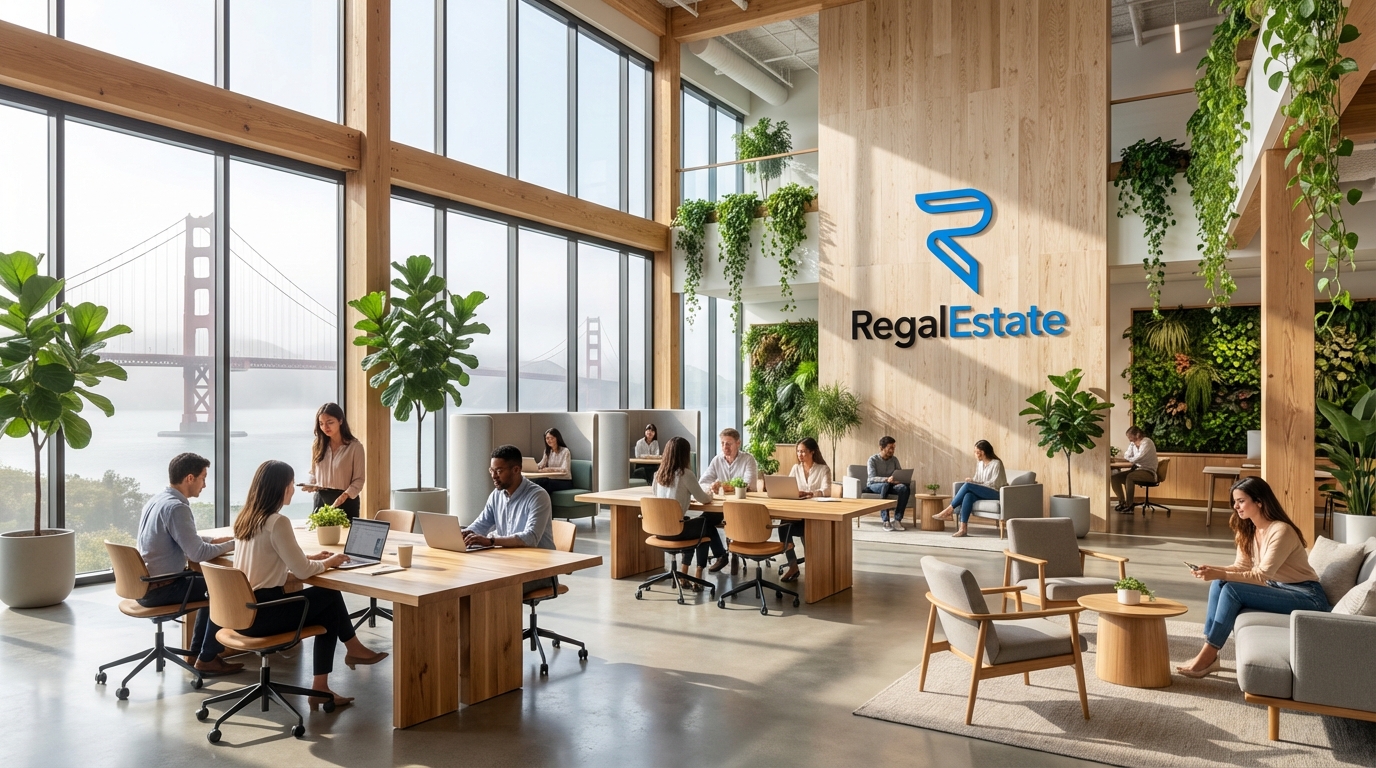
In the era of hybrid work, the role of the office has fundamentally shifted from a place of mandatory attendance to a destination for intentional gathering. A brand’s physical space must reflect this new reality through a dynamic and flexible layout. The ‘one-size-fits-all’ open-plan office is being replaced by a more nuanced ‘neighborhood’ or ‘activity-based working’ model. This approach provides a diverse ecosystem of spaces tailored to different tasks and work styles, empowering employees to choose the environment that best suits their needs at any given moment. A well-branded dynamic space might include collaborative hubs with large digital whiteboards for team projects, quiet zones with privacy pods for deep focus, informal lounges with comfortable seating for casual conversations, and high-tech conference rooms for seamless virtual meetings. The layout itself becomes a brand statement. A company that champions flexibility and autonomy demonstrates this by providing choice. Modular furniture, movable walls, and portable power sources allow spaces to be easily reconfigured for different purposes, from all-hands meetings to team workshops. This adaptability not only supports a more productive and engaged workforce but also communicates that the brand is forward-thinking, agile, and responsive to the evolving needs of its people, making the office a vital and attractive cultural center.
Ultimately, branding your space is a strategic imperative that transcends interior design. It is the art and science of translating your company’s soul into a physical form. By moving beyond surface-level decoration and adopting a holistic, sensory-driven approach, you create more than just an office; you build a destination. This sensory blueprint—grounded in core values and expressed through sight, touch, sound, and scent—is what transforms a workspace from an operational cost into a strategic asset. An environment that authentically reflects your brand becomes a powerful tool for attracting and retaining the best talent, as people are naturally drawn to places where they feel a sense of belonging and purpose. It fosters a stronger culture by constantly and subtly reinforcing the principles that guide your organization. In the competitive modern landscape, a workspace that truly embodies your brand is not a luxury—it is the most powerful story you will ever tell, a daily affirmation of who you are and what you stand for.