In today’s competitive landscape, a workspace is no longer a mere logistical necessity; it has evolved into a powerful communication tool. It is the physical embodiment of a brand’s identity, a spatial contract that silently communicates values, culture, and vision to every employee, client, and visitor who walks through the door. Moving beyond a simple logo in the lobby, savvy organizations now view their physical environment as a critical asset for storytelling and talent retention. Recent trends show a decisive shift towards creating immersive, multi-sensory experiences that prioritize employee well-being, sustainability, and subtle, sophisticated branding over overt corporate displays. This strategic approach to design and logistics transforms a simple office into an authentic, narrative-driven environment that can define a brand’s legacy.
The psychology of space: how environments shape brand perception
The moment an individual enters a workspace, a series of non-verbal cues begins to shape their perception of the brand. This initial impression is a powerful psychological event, influencing everything from a potential hire’s decision to a client’s confidence. The strategic use of color, for instance, plays a pivotal role; where a vibrant, open-plan area with bold colors might communicate energy and collaboration, a space with muted tones, natural materials, and designated quiet zones can convey focus, stability, and sophistication. The layout itself directs flow and interaction, either encouraging spontaneous collaboration or reinforcing hierarchical structures. A workspace with numerous flexible work settings—from private pods to large communal tables—tells a story of a brand that values autonomy and adaptability. Furthermore, the quality of light, the acoustics, and even the scent of a space contribute to an overall sensory experience that can either align with or contradict the stated values of a company. This subconscious dialogue between the individual and the environment is constant, making intentional design a crucial element in building a coherent and compelling brand identity. It’s about crafting a narrative that people can feel, not just one they are told.
Translating core values into a tangible design language
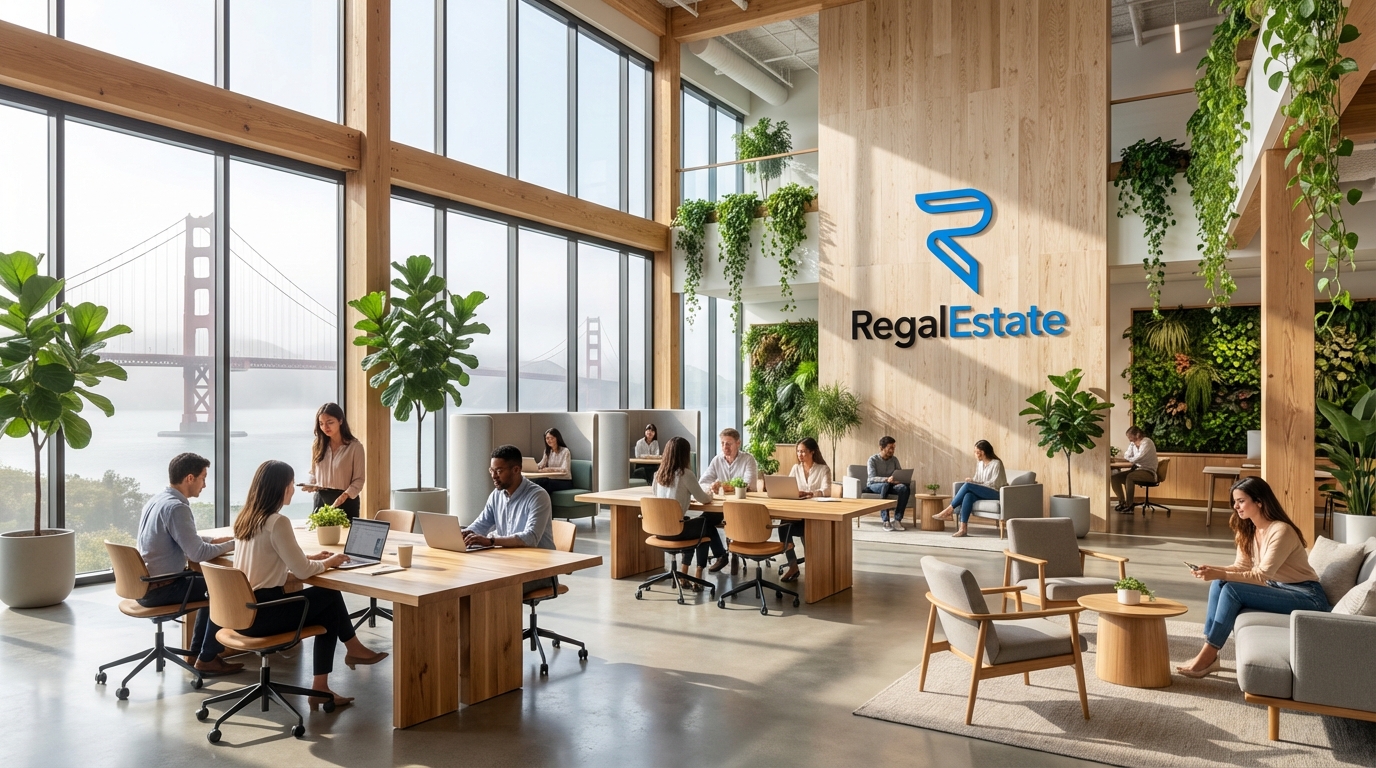
The most effective branded spaces are those that successfully translate abstract company values into a tangible design language. This process goes far beyond aesthetics; it’s about creating a functional environment where the brand’s ethos is lived out daily. A company that prides itself on ‘transparency’ might utilize glass walls, open sightlines, and centrally located leadership desks instead of corner offices. If ‘sustainability’ is a core pillar, the design language would include reclaimed wood, recycled materials, energy-efficient systems, and abundant biophilic elements like living walls. For a brand centered on ‘innovation,’ the space could feature cutting-edge technology, interactive digital displays, and modular furniture that can be easily reconfigured for brainstorming sessions and workshops. The key is to deconstruct each core value and ask what it looks like in practice. ‘Community’ might translate to a large, welcoming café area that serves as the office’s social heart. ‘Precision’ could be reflected in meticulous joinery, clean lines, and a highly organized layout. This approach ensures authenticity, creating a workspace that is a genuine reflection of the company’s soul, enabling employees to feel a deeper connection to the mission and values they are working to advance.
Key touchpoints: embedding brand into the user journey
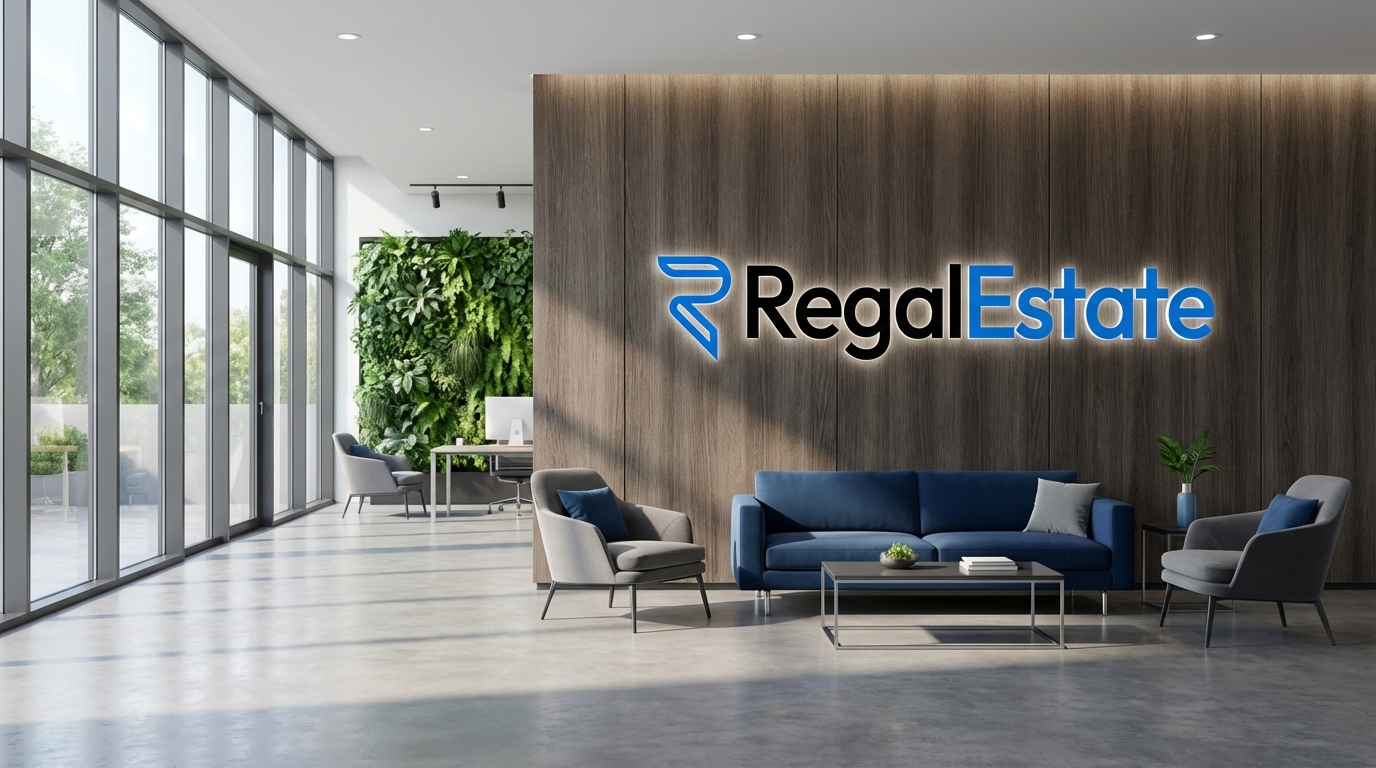
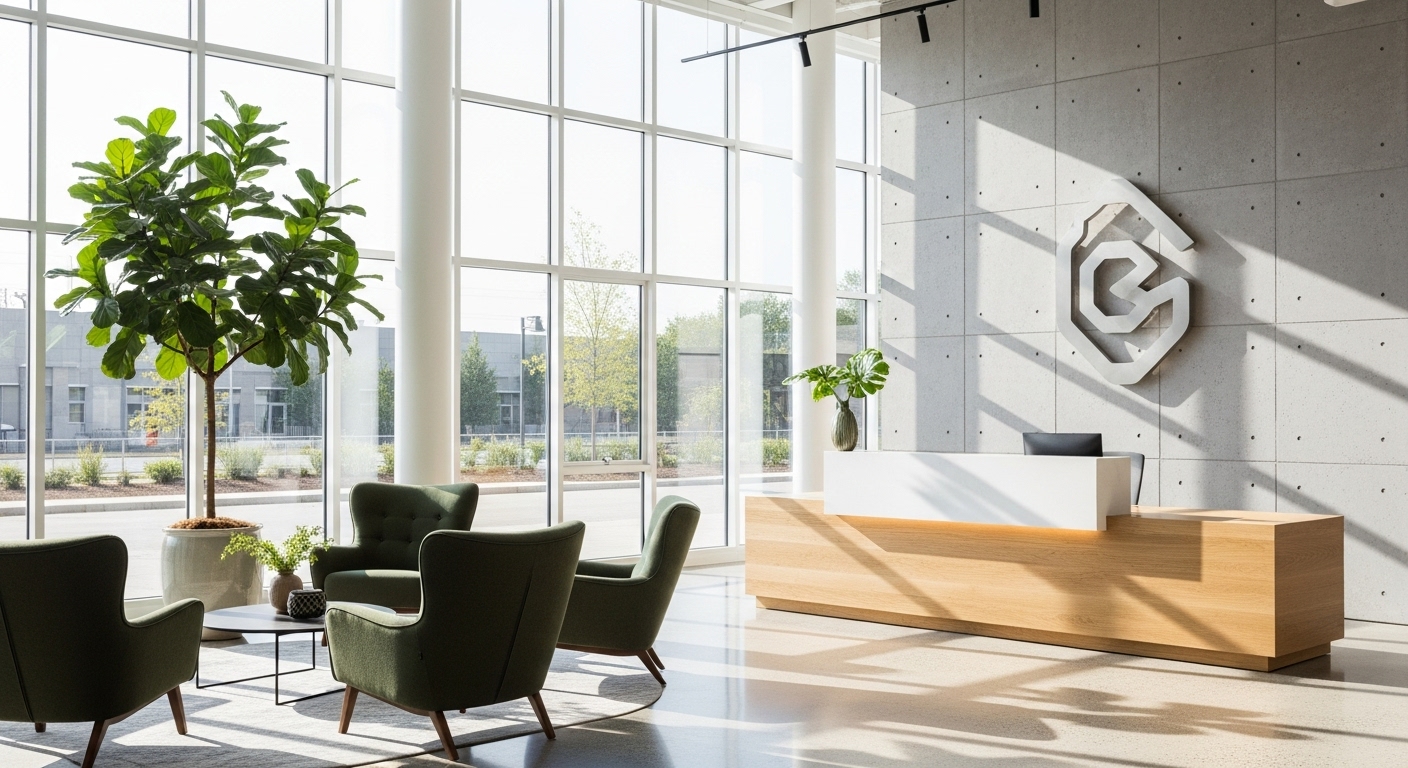
To create a truly immersive branded environment, it’s essential to consider the entire user journey through the space and identify key touchpoints for reinforcing the brand narrative. This journey begins before someone even enters the building, with exterior signage and the initial approach. The reception area is the first major touchpoint and serves as the brand’s handshake; it must immediately establish the desired tone, whether it’s one of welcoming warmth, sleek innovation, or established prestige. Meeting rooms are another critical touchpoint. Naming them after company milestones, inspirational figures, or core values can add a layer of storytelling. The design of these rooms, from the technology provided to the comfort of the chairs, speaks volumes about how the brand values collaboration and client relationships. Social spaces, such as kitchens and lounges, offer a chance to express the more informal, cultural aspects of the brand. Custom murals, curated libraries, or unique local coffee offerings can all contribute to the narrative. Even hallways and transitional spaces should not be overlooked; they are opportunities for subtle branding through artwork, textual installations of company values, or acoustic paneling in brand-specific patterns. By strategically embedding these touchpoints, a company creates a cohesive and continuous brand experience that unfolds as one moves through the workspace.
Experiential branding: designing for memorable interactions
Experiential branding in workspace design is about creating an active, engaging, and memorable environment that goes beyond passive aesthetics. It focuses on crafting unique interactions that leave a lasting impression and deepen the connection to the brand’s culture and story. This can be achieved by integrating interactive technology, such as a digital wall that showcases ongoing projects or a touchscreen display telling the company’s history. It could also involve creating multi-sensory experiences; a custom scent diffused in the reception area or a curated sonic landscape with different audio zones for focus and collaboration. Another powerful tool is creating ‘Instagrammable moments’—unique design features, like a striking sculpture, a dramatic staircase, or a stunning view with thoughtfully placed seating, that encourage visitors and employees to share their experience on social media, turning them into organic brand ambassadors. The goal is to design a destination, not just an office. By focusing on how people will interact with and within the space, companies can build an environment that fosters a sense of discovery and excitement. This active engagement is what transforms a workspace from a container for work into a dynamic and powerful branding platform that people remember long after they have left.
The hybrid workforce: extending brand identity beyond office walls
In the era of hybrid work, the concept of a branded space must extend beyond the physical headquarters. A brand’s identity is now defined by the total employee experience, whether they are in the office, at home, or in a coworking space. Maintaining brand cohesion for a distributed workforce requires a deliberate and thoughtful strategy. This starts with equipping remote employees with high-quality, branded work-from-home kits that include ergonomic chairs, reliable tech, and other items that reflect the company’s commitment to their well-being and productivity. Digital branding becomes paramount; ensuring that virtual meeting backgrounds, internal communication platforms, and digital collaboration tools all share a consistent visual identity is crucial for creating a unified virtual workspace. The physical office itself evolves into a ‘hub’ for collaboration, culture, and connection. Its design should prioritize spaces that support the specific activities that are best done in person—team-based projects, mentoring, and social events. By focusing the office on its role as a cultural anchor, companies can make in-person days more meaningful and impactful. This holistic approach ensures that every employee, regardless of their location, feels connected to the brand’s mission and culture, strengthening the organization’s identity in a decentralized world.
Measuring the impact of a strategically branded workspace
Investing in a strategically branded workspace is not merely an expense; it is a strategic investment with measurable returns. One of the most significant impacts is on talent acquisition and retention. A thoughtfully designed environment that reflects a strong, positive culture can be a powerful differentiator in a competitive job market. Post-occupancy surveys and employee feedback can provide qualitative data on morale, while tracking metrics like employee retention rates and the time-to-fill for open positions can offer quantitative insights. Another key area of impact is employee engagement and productivity. A space designed to support various work styles, foster well-being, and reduce friction can lead to higher levels of focus and collaboration. This can be measured through performance metrics and employee engagement scores. Furthermore, the impression left on clients and partners can directly influence business outcomes. A workspace that clearly communicates competence, innovation, and stability can build trust and reinforce a premium brand position. Tracking client feedback, conversion rates after site visits, and even social media mentions can help quantify this impact. By defining these success metrics from the outset, organizations can effectively demonstrate the tangible value of aligning their physical space with their brand identity, proving that great design is also great for business.
In conclusion, the strategic branding of a physical workspace is a profound expression of corporate identity. It’s an evolution from decoration to communication, where every design choice—from the grand architectural gestures to the subtle textural details—works in concert to tell a cohesive brand story. By understanding the psychology of space, translating abstract values into a tangible design language, and focusing on creating memorable experiences, companies can build more than just an office. They can construct a cultural anchor that attracts top talent, fosters a deep sense of belonging among employees, and leaves an indelible mark on clients. In an increasingly hybrid world, this investment in a physical hub of brand and culture is not just relevant; it is essential. The most forward-thinking organizations understand that their workspace is their brand in three dimensions, a critical tool for building a lasting legacy.