The traditional office, with its rigid rows of cubicles and corner offices, is rapidly becoming a relic of a bygone era. Spurred by the widespread adoption of hybrid work models, a fundamental shift is underway in how we perceive and utilize corporate real-owned estate. Today’s office is no longer merely a place for heads-down work; it’s a destination for collaboration, a hub for innovation, and a cornerstone of company culture. This evolution demands a strategic pivot in office layout design, moving away from static floor plans towards dynamic environments that prioritize flexibility, employee well-being, and seamless technological integration. Recent trends show a clear move towards creating multi-functional spaces that can adapt to the fluid needs of a modern workforce. This post explores the key pillars of this transformation, offering a strategic guide to designing an office that doesn’t just accommodate but actively enhances productivity and connection in the new age of work.
The rise of activity-based working
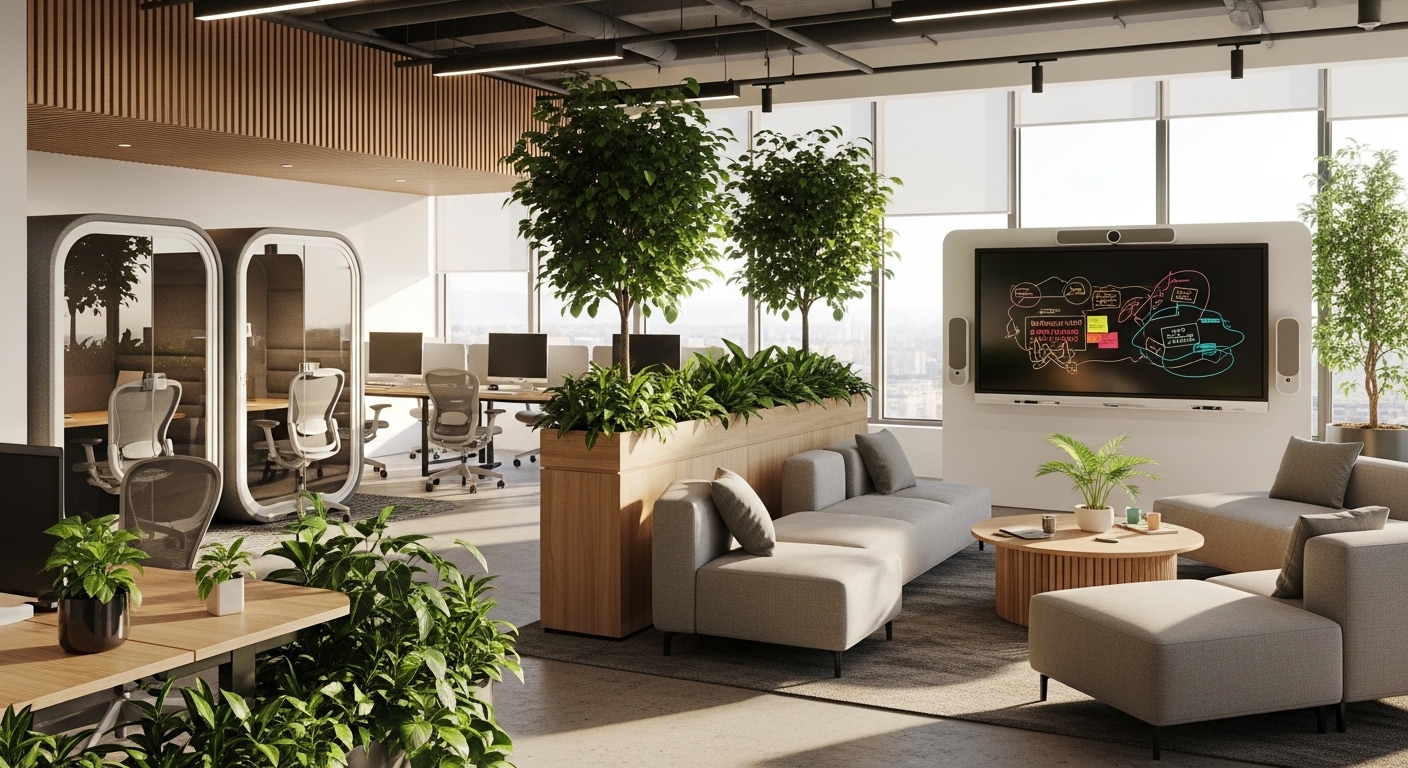
The most significant departure from traditional office design is the widespread adoption of Activity-Based Working (ABW). The core philosophy of ABW is that employees should have the freedom to choose a work setting that best suits the task at hand. This model rejects the one-size-fits-all approach of assigned seating and instead offers a diverse ecosystem of spaces. For instance, an employee needing to draft a detailed report can retreat to a ‘deep focus zone,’ a quiet, library-like area with soundproofing and minimal distractions. These zones are intentionally designed to facilitate concentration, often featuring single-person pods or partitioned desks. Conversely, when a team needs to brainstorm a new marketing campaign, they can convene in a vibrant ‘collaboration hub.’ These areas are outfitted with large whiteboards, comfortable lounge seating, and interactive displays to encourage the free flow of ideas. This approach empowers employees, giving them autonomy over their work environment, which has been shown to boost job satisfaction and productivity. The transition to ABW also requires a cultural shift, encouraging managers and employees to trust in output rather than physical presence. It’s a strategic design choice that directly supports a more agile and results-oriented work culture by providing the physical tools necessary for a variety of work styles.
Integrating biophilia for enhanced well-being
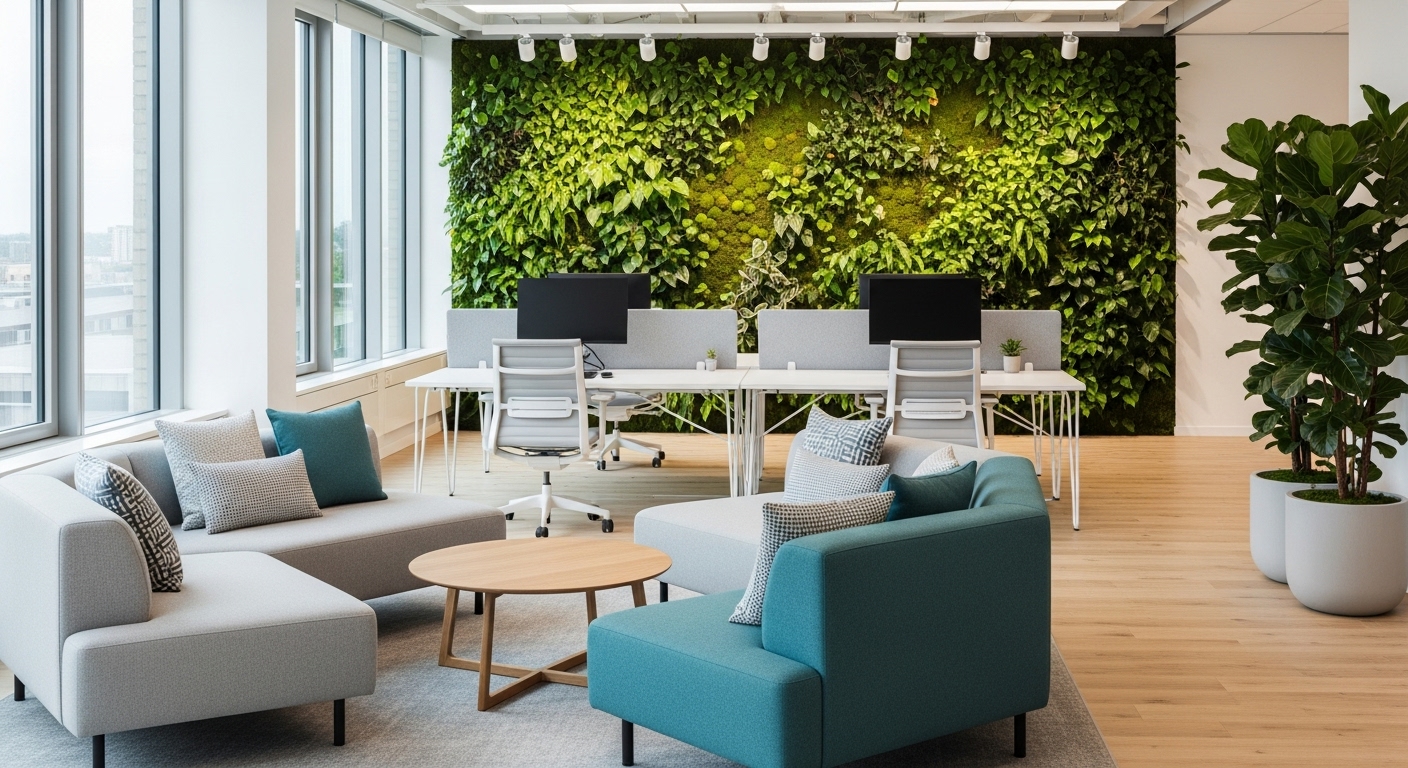
As the focus on employee mental and physical health intensifies, biophilic design has moved from a niche trend to an essential component of the modern workplace. Biophilia is the concept of connecting humans with nature, and in office design, this translates to incorporating natural elements directly into the workspace. The goal is to create a calming, restorative environment that reduces stress and enhances creativity. This goes far beyond placing a few potted plants on desks. Companies are now investing in large-scale installations like living walls—vertical gardens that act as natural air purifiers and stunning visual centerpieces. Maximizing natural light is another critical aspect, with layouts designed to ensure that sunlight penetrates deep into the floor plan, reducing reliance on artificial lighting and helping to regulate employees’ circadian rhythms. The use of natural materials like reclaimed wood for paneling, bamboo for flooring, and stone for countertops further strengthens the connection to the natural world. Research consistently shows that environments rich in biophilic elements can lead to a significant reduction in absenteeism and a marked increase in reported well-being. By investing in these features, companies are making a clear statement that they value their employees’ health, creating a more positive and attractive workplace that aids in both talent retention and recruitment.
Designing for the hybrid reality
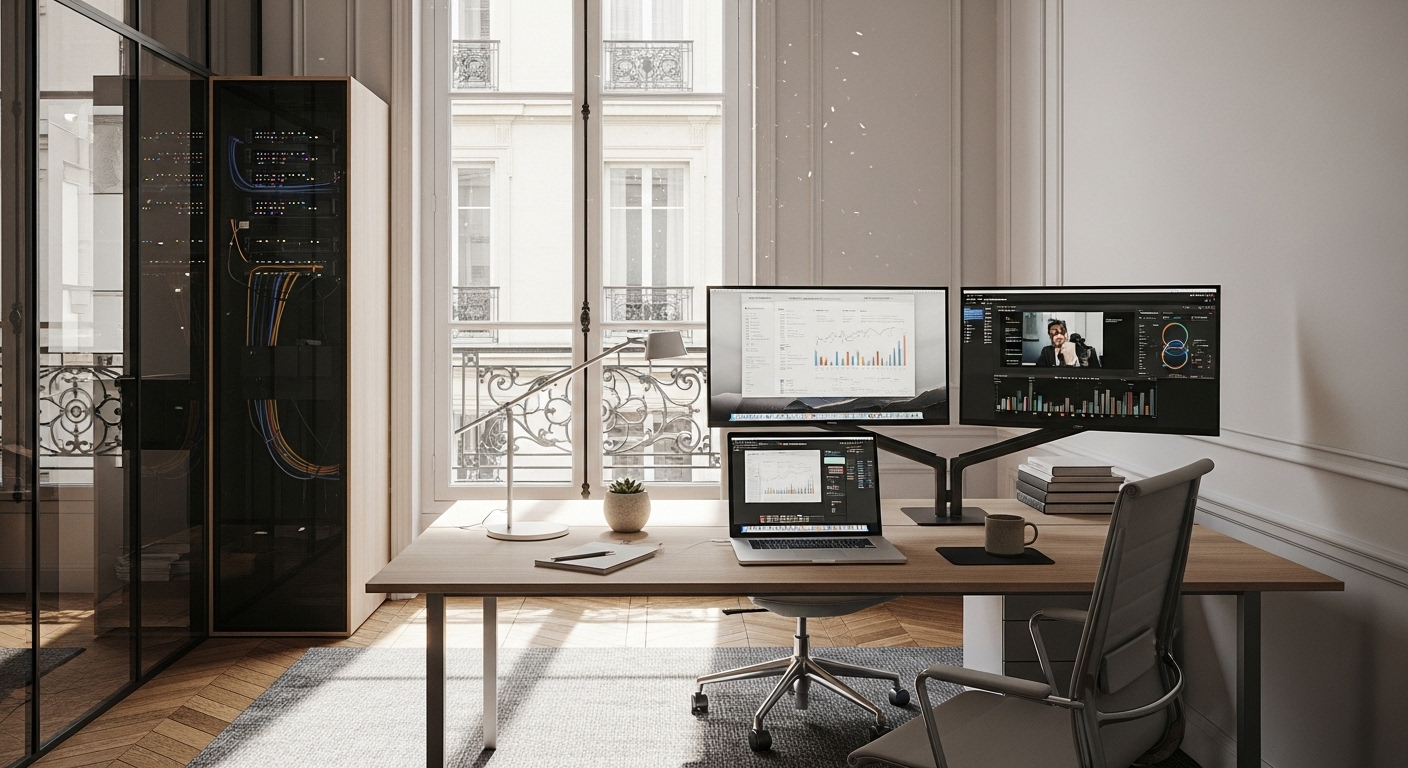
The permanence of hybrid work has irrevocably altered office design requirements. The office is now the central node that connects in-person and remote employees, and its layout must be engineered to bridge the physical divide. This has given rise to the ‘hybrid-centric’ workspace, where technology and physical design are seamlessly intertwined. A key focus is on creating technologically advanced conference rooms that foster equity in meetings. This means equipping rooms with high-quality cameras that can intelligently focus on the active speaker, ceiling-mounted microphones that capture clear audio from every corner, and large screens that display remote participants at a life-like scale. This ensures that remote team members feel just as present and included as their in-office counterparts. Furthermore, the rise of hot-desking and hoteling systems, where employees book desks or workspaces through an app, requires a more fluid and less personalized approach to individual workstations. These spaces are equipped with universal docking stations, adjustable monitors, and ergonomic chairs to cater to a rotating cast of users. The overall floor plan in a hybrid-centric office often features fewer individual desks and a greater allocation of space to these collaborative, tech-enabled meeting areas, reflecting the office’s new role as a hub for teamwork and interaction.
The importance of modular and flexible furniture
In an era defined by rapid change, the ability for a workspace to adapt is paramount. Static, built-in furniture and fixed walls are being replaced by modular and movable solutions that allow for easy reconfiguration of the office layout. This ‘liquid’ or ‘agile’ design approach enables companies to scale spaces up or down, or repurpose them entirely with minimal cost and disruption. For example, a large open area used for a company-wide town hall on Monday can be transformed into several smaller team pods for project work on Tuesday using movable acoustic partitions and modular seating. Lightweight, wheeled furniture such as mobile whiteboards, standing desks, and presentation carts give teams the power to create their own custom work environments on the fly. This level of flexibility is not just about accommodating different work activities; it’s also a future-proofing strategy. As business needs evolve and team sizes fluctuate, a modular office can evolve in tandem. This approach supports an agile workflow, where teams can quickly assemble for sprints and then reconfigure the space for the next project. It’s a cost-effective and sustainable way to ensure the physical workspace remains aligned with the dynamic nature of modern business, preventing the layout from becoming obsolete.
Creating spaces for community and connection
With employees spending less time in the office, the moments they do spend together become more valuable. Recognizing this, designers are placing a greater emphasis on creating spaces that intentionally foster a sense of community and facilitate informal social interactions. The traditional breakroom is being reimagined as a central café or lounge—a welcoming, comfortable space that serves as the social heart of the office. These areas are designed with high-quality coffee machines, varied seating options (from communal tables to cozy armchairs), and amenities that encourage employees to linger and connect. Beyond the central café, smaller nooks and informal seating areas are strategically placed throughout the office to encourage spontaneous conversations. These ‘collision points’ are crucial for building social capital and fostering cross-departmental relationships, which can be challenging in a hybrid setting. By investing in these community-focused spaces, companies are nurturing their culture and reinforcing the office as a vital place for connection and camaraderie. These are the spaces where mentorship happens, where friendships are formed, and where a shared sense of identity is strengthened, making the commute to the office a more compelling and rewarding proposition for employees.
Sustainability as a core design principle
Sustainability in office design has evolved from a ‘nice-to-have’ feature to a fundamental expectation from both employees and clients. A modern office layout must reflect a commitment to environmental responsibility. This principle manifests in several ways, starting with the careful selection of materials. Designers are prioritizing the use of low-VOC (Volatile Organic Compound) paints, formaldehyde-free furniture, and flooring made from renewable resources like bamboo or cork. The use of reclaimed wood and recycled materials is also on the rise, reducing the environmental footprint of the build-out. Beyond materials, sustainable design incorporates intelligent systems to optimize resource consumption. This includes installing sensor-activated LED lighting that automatically dims or turns off in unoccupied areas and smart climate control systems that adjust temperature based on occupancy patterns, significantly reducing energy waste. Waste reduction is another key pillar, with offices being designed with centralized recycling and composting stations to make responsible disposal convenient for employees. This focus on sustainability is not just about being eco-friendly; it also creates a healthier indoor environment for employees. By making sustainability a core tenet of the design process, companies can enhance their brand image, attract environmentally conscious talent, and create a workspace that is both responsible and revitalizing.
Conclusion
Redesigning the modern office is no longer a simple exercise in space planning; it is a strategic imperative that directly impacts productivity, culture, and employee satisfaction. The pivot from static, uniform layouts to dynamic, human-centric environments reflects a deeper understanding of how work gets done today. By embracing activity-based working, companies empower employees with choice and autonomy. Integrating biophilic design and wellness spaces demonstrates a genuine commitment to employee well-being, transforming the office into a place that nurtures as well as facilitates. The thoughtful integration of technology and modular furniture ensures that the workspace is both hybrid-ready and future-proof, capable of adapting to the evolving demands of business. Perhaps most importantly, the intentional creation of community hubs reinforces the office’s enduring role as a place for human connection. As organizations navigate the future of work, the physical office remains a powerful tool. A strategically designed layout that prioritizes flexibility and flow is not just an investment in real estate—it’s an investment in people, performance, and the resilient, collaborative culture required to thrive in the years to come.