Redefining the modern workspace branding strategy
The physical workspace serves as a tangible touchpoint for corporate identity. Today, a robust workspace branding strategy transforms a standard building into a dynamic expression of company culture. You cannot simply slap a logo behind a reception desk and expect spectacular results. Organizations now embrace experiential design to inspire employees and leave lasting impressions on clients. Moving beyond superficial visual elements weaves your core ethos directly into the architectural fabric. Strategic environmental curation turns mere operational hubs into active tools that drive talent retention. Leaders recognize that an immersive brand experience builds immediate connection and trust. We will explore essential tactics to convert your commercial real estate into a powerful testament to your organizational story.
Elements of a successful workspace branding strategy
Environmental design communicates your core values through spatial architecture. This multidisciplinary method merges interior curation, wayfinding, and graphic storytelling into one cohesive narrative. The main objective transforms abstract promises into highly relatable physical experiences. Visual details lay the foundation for a transformative environmental upgrade.
- Color theory: Vibrant hues stimulate creative energy while muted tones project corporate stability.
- Spatial flow: Open corridors encourage transparency and fluid team communication.
- Tactile finishes: Premium materials deliver subconscious signals about your overall quality standards.
True spatial intelligence digs deeper into the human sensory experience. Tech startups often project innovation through interactive digital walls and modern ergonomic furniture. Law firms might signal heritage using rich walnut panels and traditional seating arrangements. Every design choice must deliberately align with the overarching identity you wish to project. Such intentional curation guarantees that your physical environment constantly reinforces your overarching mission.
Psychological impacts driving your workspace branding strategy
Spatial design holds immense psychological power over how people perceive your organization. Every interior element broadcasts subconscious signals about your core priorities. Color psychology plays a crucial role in shaping workplace mood and behavior. Deep ocean blues evoke feelings of trust, making them perfect for financial institutions. Vibrant clay tones and sage greens stimulate creativity and reduce cognitive fatigue. Layout configurations also influence team dynamics significantly. Open-plan environments drive transparency and accelerate cross-departmental collaboration. Private acoustic pods offer essential sanctuaries for deep concentration and confidential discussions. Strategic lighting further alters the daily ambiance, with natural sunlight promoting holistic wellness. By deliberately orchestrating these sensory details, businesses architect environments that actively steer human emotion. You can turn your office into a strategic asset that maximizes daily output.
First impressions and workspace branding strategy execution
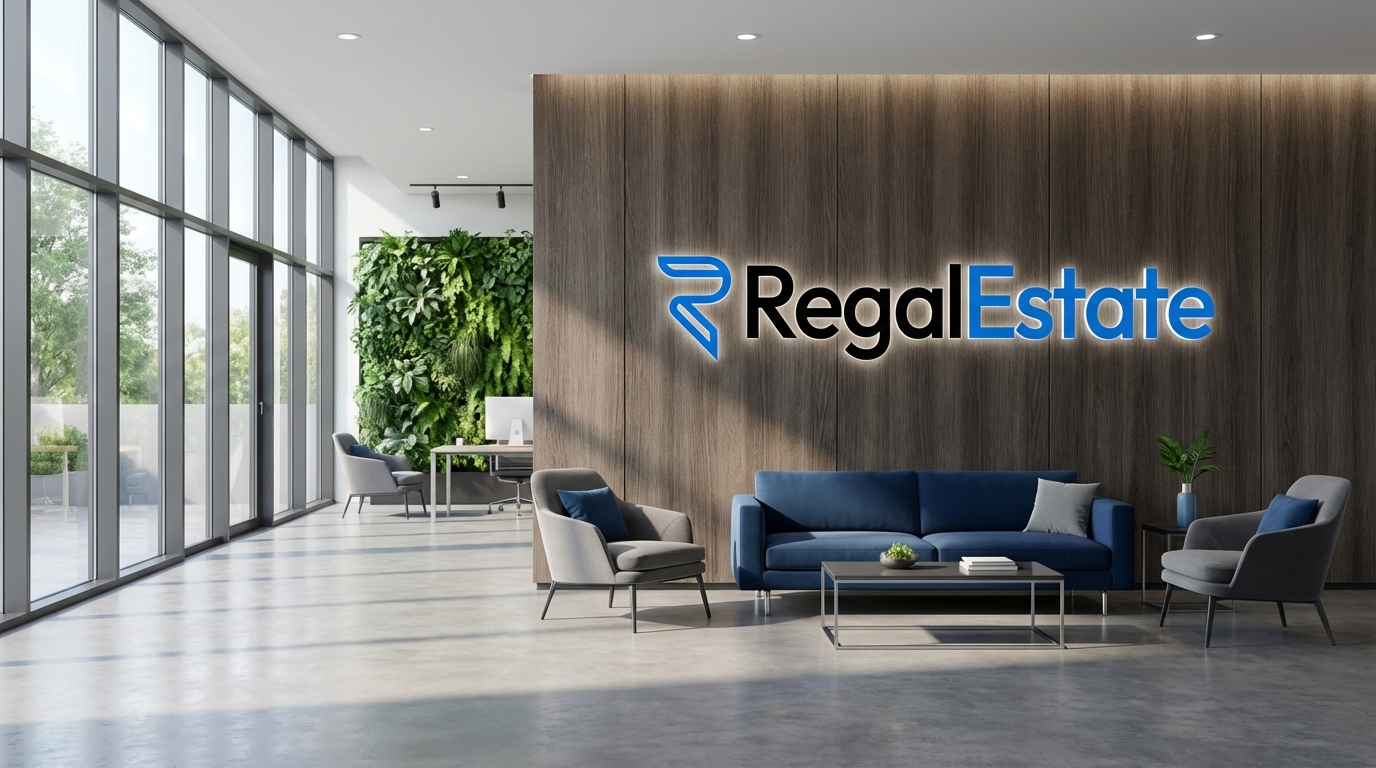
Reception areas provide the initial physical handshake to visiting clients and prospective talent. This critical zone sets the tonal baseline for the entire operational experience. Designing an immersive introduction requires thoughtful alignment with your established personality. High-quality dimensional signage instantly establishes professionalism and architectural permanence. Furniture selection must reflect your distinct character perfectly. Minimalist seating suits a forward-thinking tech firm, while classic leather armchairs benefit a heritage consultancy. Reclaimed wood reception desks visually demonstrate a strong commitment to sustainable business practices. Dynamic digital displays showcase recent market achievements and warm welcome messages. Small details like curated music and signature scents build immediate visitor confidence. When guests step through your doors, they should feel completely immersed in your corporate narrative.
Cultivating culture through internal workspace branding strategy
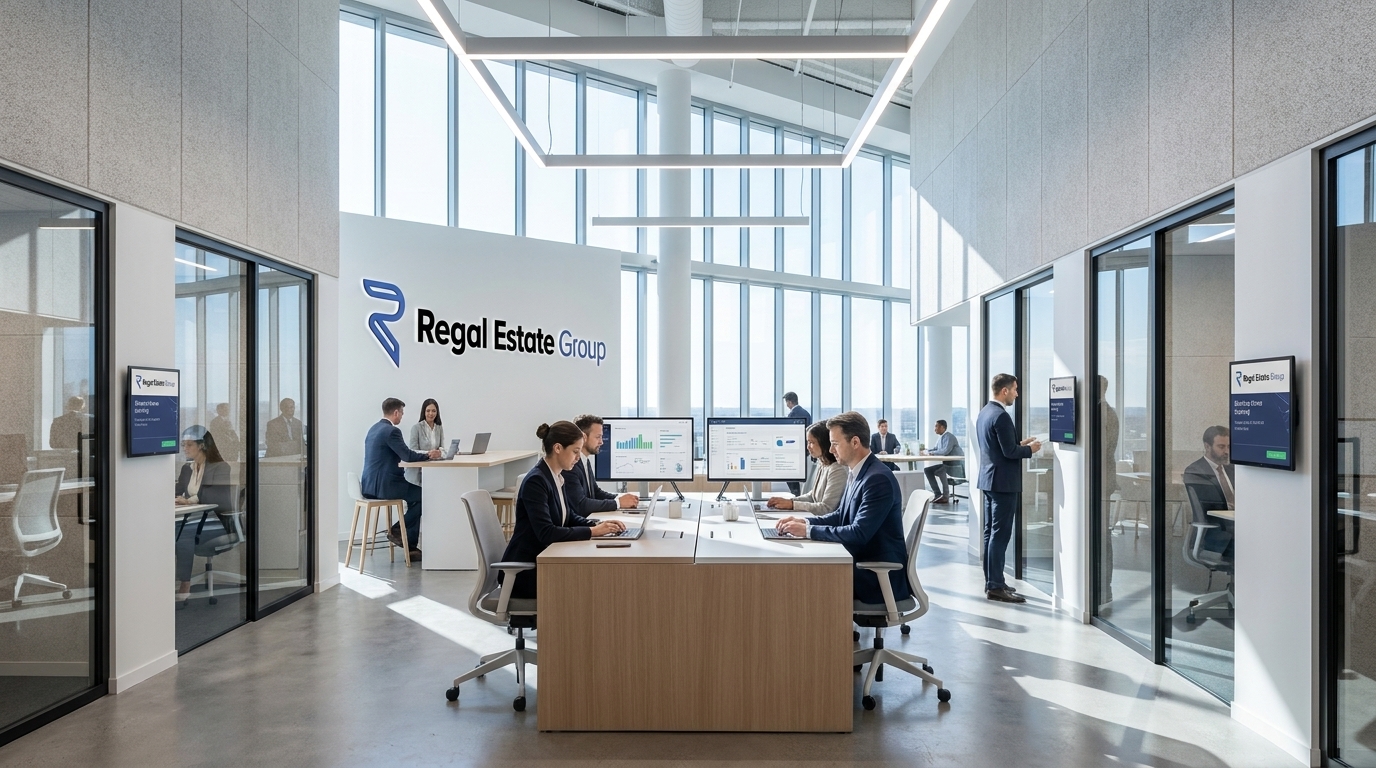
Internal teams represent the most vital audience for your spatial design initiatives. Physical surroundings constantly shape workforce morale, daily engagement, and shared purpose. Thoughtful layouts transform standard offices into genuine places of community belonging. You must develop functional zones that actively support diverse operational work styles. Accessible breakout areas empower spontaneous team brainstorming sessions without disrupting focus zones. Designated quiet rooms help individuals tackle complex analytical tasks effectively. Displaying your mission statement on central focal walls provides a daily reminder of collective goals. Dedicated achievement screens foster immense pride by celebrating major team milestones publicly. Providing premium amenities like wellness rooms proves that leadership invests heavily in staff health. Embedding your cultural DNA into every corner boosts engagement and solidifies loyalty among top performers. For more insights on thoughtful planning, read about the intentional office and designing spaces for purpose.
Technology integration in a modern workspace branding strategy
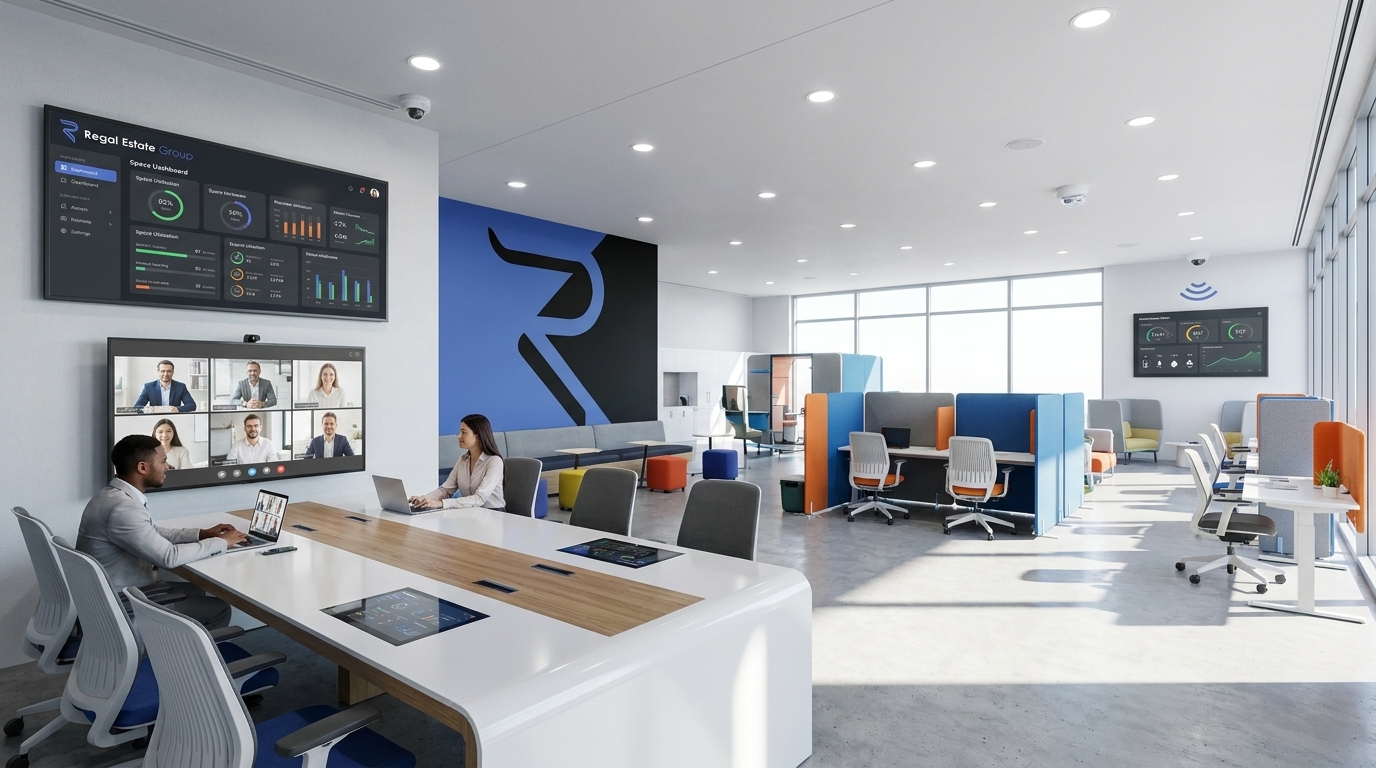
Smart technology serves as a dynamic medium for interactive corporate storytelling. Modern systems bring your identity to life through responsive and memorable environmental interactions. Lobbies feature high-definition digital signage that streams live industry news and compelling client testimonials. Interactive touch-tables encourage innovative problem-solving among highly collaborative departments. Programmable lighting shifts intensity seamlessly to match specific marketing campaigns or the time of day. Custom mobile applications help staff navigate sprawling complexes and locate colleagues instantly. Tech-forward spatial experiences communicate a visionary approach to modern global commerce. Weaving smart infrastructure directly into the architectural layout creates a fluid, highly adaptive environment. Such intentional digital integration keeps the facility as agile as the rapidly changing business itself. Seamless interactions leave a powerful impression on tech-savvy recruits.
Material selection within your workspace branding strategy
Textures and finishes add a profoundly impactful sensory layer to spatial architecture. Tactile elements communicate core attributes long before someone reads a formal corporate brochure. The physical substances you choose narrate a rich history of your ambitious aspirations. Eco-conscious brands express environmental responsibility through bamboo flooring and lush living plant walls. Authentic sustainability feels just as compelling physically as it looks visually. Luxury organizations project exclusivity by incorporating polished marble flooring and brushed brass hardware. Rough exposed brick creates an edgy industrial aesthetic perfect for bold creative agencies. Smooth glass partitions suggest absolute precision, clarity, and modern transparency. Maintaining a consistent material palette ensures your narrative remains clear and cohesive across all departments. Deliberate tactile choices build a multi-sensory environment that leaves a tangible mark on every visitor. You can explore similar approaches when crafting a magnetic brand identity beyond the logo.
Logistics and planning a robust workspace branding strategy
Translating an abstract vision into physical reality demands meticulous logistical execution. Strategy meets heavy construction during this highly coordinated execution phase. Establishing a clear operational budget and timeline guides all subsequent procurement decisions. Assembling a specialized team guarantees precise execution across all facility fronts. Clear communication prevents core concepts from getting lost during complex technical installation.
- Financial budgeting: Detailed tracking prevents unexpected overruns during the heavy construction phase.
- Material sourcing: Procurement teams secure specialized architectural textures alongside standard commercial furnishings.
- Project scheduling: Managers track key milestones from initial structural demolition to final graphic mounting.
- Strategic installation: Mounting visual elements during off-hours minimizes daily operational disruptions significantly.
Post-completion walkthroughs identify minor flaws that require immediate professional rectification. Comprehensive maintenance plans keep the customized features looking pristine for many years. An organized approach ensures your physical assets accurately reflect your corporate identity without causing any workflow friction.
Measuring the ROI of your workspace branding strategy
Investing in experiential environments delivers measurable returns that positively impact the bottom line. Corporate real estate expenditures now function as strategic growth drivers rather than simple operational overhead. Authoritative global workplace research demonstrates that thoughtfully branded offices boost daily productivity immensely. Employees working in optimized spaces experience significantly reduced cognitive fatigue and fewer visual distractions. Comprehensive well-being initiatives seamlessly integrate with spatial design to drastically reduce costly absenteeism. Designing dedicated recharge zones lowers turnover rates by actively preventing burnout among high-performing talent. Attracting elite industry candidates becomes much easier when your facility clearly prioritizes human comfort. A fully realized corporate headquarters acts as an irreplaceable, three-dimensional piece of marketing collateral. Ultimately, a customized physical presence propels your organization forward by physically manifesting your unique market value.
Future-proofing your workspace branding strategy
Flexibility remains a critical component of any modern architectural endeavor. Organizations must adapt their physical footprint seamlessly as operational demands shift over time. Modular furniture systems allow facility managers to reconfigure collaborative hubs completely effortlessly. Demountable partitions provide the ultimate freedom to expand meeting rooms without requiring heavy demolition. Forward-thinking companies build adaptable spatial frameworks rather than rigid, permanent structural installations. Updating digital signage content regularly keeps the environmental messaging fresh and culturally relevant. Seasonal changes in accent lighting or localized art installations maintain visual interest continuously year-round. An agile working environment actively supports evolving team structures and emerging global business objectives. Your spatial narrative should grow organically alongside your brand’s continuing market journey. Designing for complete adaptability guarantees long-term relevance and maximizes your initial commercial real estate investment.
Elevating your entire brand presence
Your commercial facility represents much more than a simple container for daily administrative operations. Implementing a comprehensive environmental branding plan transforms ordinary real estate into a powerful competitive advantage. Employees thrive in curated environments that actively support their cognitive health and long-term professional growth. Visitors immediately sense the deep authenticity and intense dedication embedded within your architectural choices. Leadership teams must explicitly recognize that spatial design directly influences core organizational success metrics. Committing to experiential design secures a lasting corporate legacy in a crowded commercial marketplace. You possess the unprecedented opportunity to turn blank office walls into dynamic, interactive storytellers. Thoughtful environmental curation ultimately elevates your entire corporate identity far above the standard industry competition.