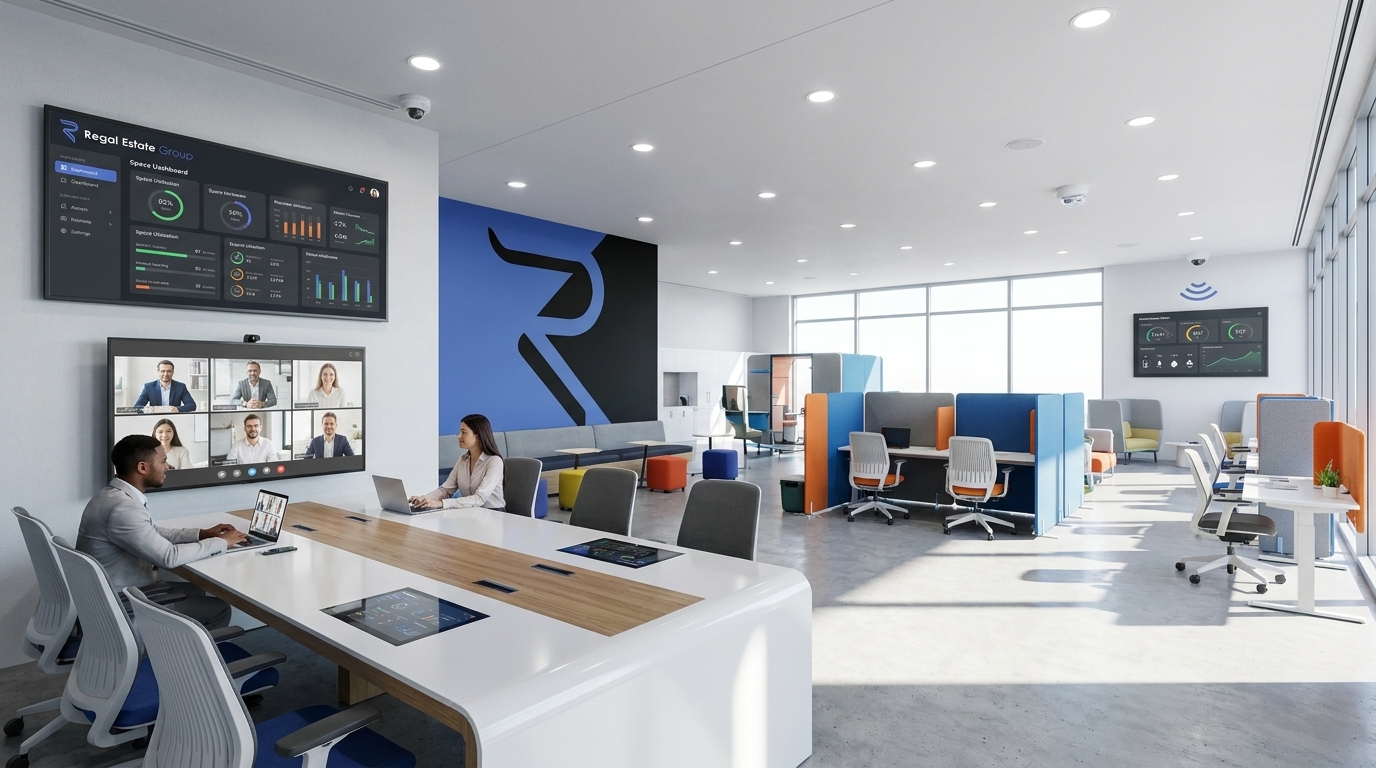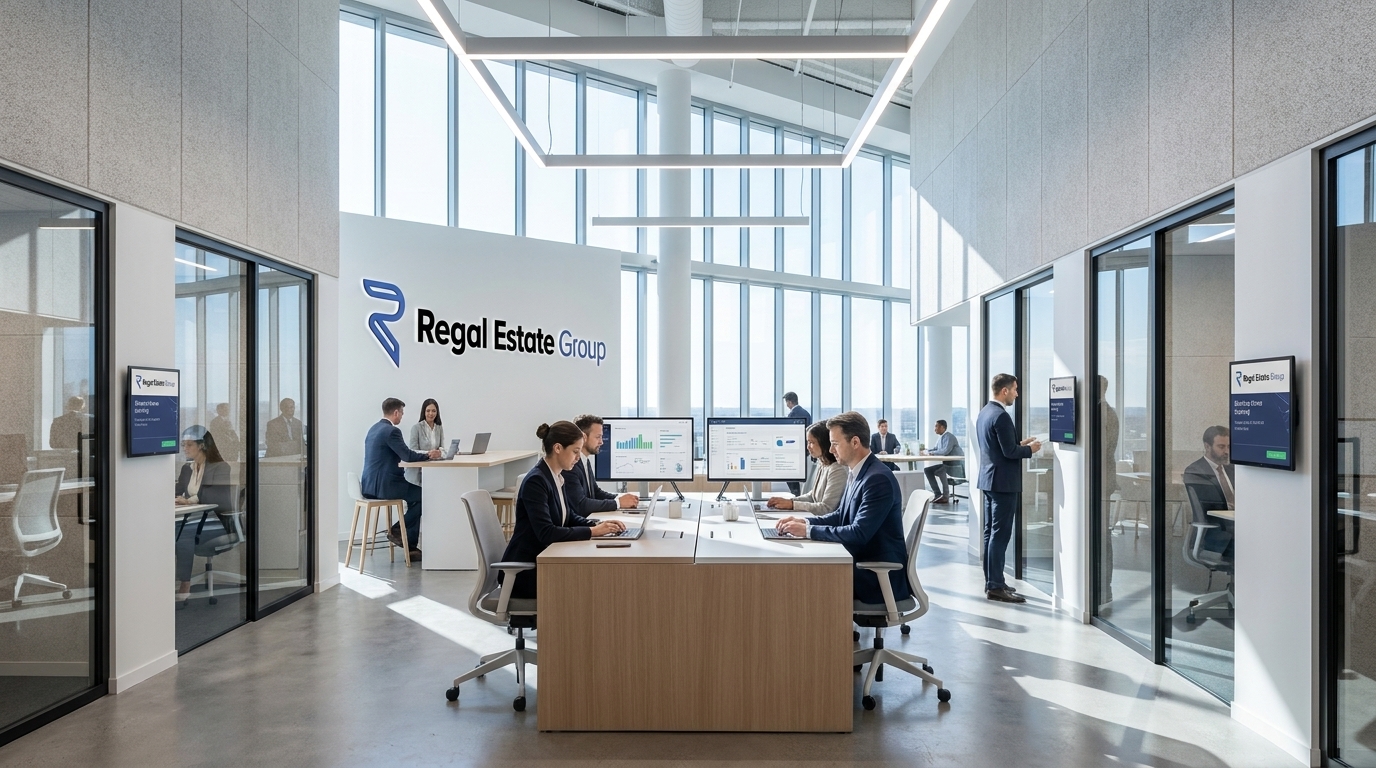
The transition toward hybrid work models fundamentally shifts commercial real estate from static property management to dynamic environments. Multinational corporations, growing enterprises, and independent professionals increasingly demand office environments that adapt to fluctuating daily usage rather than remaining anchored to rigid long-term leases. As organizational needs evolve, predictive spatial analytics become a critical operational requirement rather than a luxury upgrade. These advanced digital frameworks monitor, analyze, and optimize physical footprints, ensuring every square foot serves a distinct functional purpose. Modern platforms combine global reach with seamless technological integration, facilitating fluid transitions across diverse international markets. Regal Estate Group provides the essential infrastructure for this evolution, connecting businesses with adaptable spaces devoid of traditional leasing complexities. By deploying intelligent systems that respond to real-time occupancy and environmental data, companies reduce overhead while maintaining highly functional professional hubs. This operational shift empowers organizations to align their physical presence with precise logistical demands. Executives can now prioritize flexibility, seamless technological integration, and cost-effective scalability on a global scale.
The mechanics of predictive spatial analytics
The deployment of artificial intelligence within commercial real estate fundamentally alters how organizations utilize physical space. Predictive spatial analytics rely on continuous data collection from environmental sensors, network usage metrics, and booking systems to generate precise occupancy models. Instead of leaning on static headcount formulas, these systems analyze behavioral patterns to determine actual space requirements. Machine learning algorithms process this information to forecast peak usage periods, allowing facility managers to align available seating and meeting rooms with anticipated demand. This precise alignment prevents the common issue of maintaining vast, empty office floors during periods of low employee attendance.
This sophisticated technological integration targets inefficiencies inherent in traditional office management. Intelligent platforms identify and eliminate unoccupied meeting room reservations, instantly returning these assets to the available inventory. By reclaiming underutilized areas, enterprises minimize unnecessary overhead and redirect resources toward core business functions. Dynamic desk allocation replaces permanent seating arrangements, guiding personnel toward available workstations located near relevant project teams or necessary equipment. The system effectively functions as a digital traffic controller, ensuring smooth movement and optimal positioning for every individual entering the facility.
The integration of artificial intelligence extends beyond simple space allocation, influencing broader real estate strategy. Advanced algorithms evaluate energy consumption patterns in relation to room occupancy, automatically adjusting climate control and lighting systems to maintain optimal conditions without wasteful expenditure. This data-driven approach allows organizations to scale their physical footprint precisely according to operational necessities. Regal Estate Group integrates these principles into its global service model, ensuring clients secure workspaces that inherently support automated efficiency. The resulting environment operates as a highly responsive ecosystem, continuously adapting to the fluid nature of modern workforce dynamics.
Implementing predictive spatial analytics solutions
Modernizing a corporate environment necessitates the deployment of comprehensive smart office technology solutions. These systems consist of interconnected hardware devices and centralized software platforms designed to automate environmental controls, enhance physical security, and streamline administrative workflows. At the core of this infrastructure lies the internet of things, a network of embedded sensors that monitor everything from ambient temperature to individual desk utilization. By capturing and transmitting real-time data, these devices enable automated responses to changing environmental conditions. Such responsiveness significantly reduces the need for manual facility management.
Intelligent climate and lighting systems represent a primary application of this evolving technology. Advanced automated controllers communicate directly with occupancy sensors to regulate airflow and temperature strictly in populated areas. This targeted approach minimizes energy distribution to vacant zones. Automated lighting arrays simultaneously adjust brightness and color temperature based on natural sunlight levels and the specific requirements of ongoing tasks. These immediate automated adjustments reduce energy consumption substantially while cultivating an atmosphere conducive to sustained focus. Organizations implementing these technologies frequently report immediate reductions in utility expenditures, alongside measurable improvements in ambient comfort levels.
The successful implementation of these solutions requires robust digital management platforms capable of aggregating diverse data streams into actionable intelligence. Facility administrators utilize these dashboards to monitor system health, schedule predictive maintenance, and identify emerging operational bottlenecks before they disrupt business activities. Maintaining consistent technological standards across multiple jurisdictions presents a logistical hurdle for businesses exploring international expansion. Regal Estate Group mitigates this challenge by offering access to a curated portfolio of facilities globally equipped with standardized smart capabilities. A digital-first blueprint integrating IT infrastructure guarantees that remote workers and multinational teams experience identical levels of connectivity. Consistent application of smart technology ensures that the physical workspace actively facilitates business objectives rather than functioning as a passive overhead expense.
Leveraging data via predictive spatial analytics
Strategic expansion and corporate relocation demand objective, empirical analysis rather than speculative forecasting. By synthesizing demographic information, local economic indicators, and internal utilization metrics, organizations accurately evaluate the viability of potential new markets. This analytical approach evaluates critical variables such as average employee commute times, the density of specialized regional talent pools, and proximity to essential corporate partners or supply chain hubs. Business leaders can consequently identify optimal geographic placements that align precisely with their overarching strategic objectives. Such precision minimizes the guesswork historically associated with cross-border expansion.
The application of data-informed workspace analytics extends deeply into interior layout planning and daily facility operations. Organizations utilize sophisticated heat maps and movement tracking algorithms to understand exactly how employees interact with various facility zones throughout the standard business cycle. Granular visibility reveals which collaborative areas attract the highest continuous foot traffic and which private enclosures remain perpetually vacant. Armed with this empirical evidence, space planners redesign layouts to eliminate spatial friction, repurposing neglected square footage into high-demand functional zones. This continuous cycle of measurement, evaluation, and physical adjustment ensures the environment remains perfectly synchronized with organizational workflows.
Accessing and interpreting complex logistical data traditionally required extensive internal resources or expensive external consulting engagements. Contemporary digital platforms streamline this complex process, rendering advanced analytics readily accessible to diverse enterprises. Regal Estate Group integrates strategic insight tools directly into its core service architecture, providing users with sophisticated mapping and regional market analysis capabilities. The platform’s proprietary dashboard allows decision-makers to evaluate distinct workspace options side-by-side, assessing comprehensive financial and operational metrics prior to any binding selection. Centralizing these analytical functions effectively removes the necessity for subjective broker recommendations. The resulting data-centric acquisition strategy guarantees that every commercial real estate decision directly supports sustained operational efficiency.
Navigating global infrastructure with predictive spatial analytics
Establishing a unified corporate presence across multiple international borders necessitates specialized technological infrastructure. Global flexible workspace technology serves as the digital bridge connecting localized real estate markets into a singular, manageable portfolio. Securing international office space traditionally involved navigating a labyrinth of disparate legal frameworks, opaque pricing structures, and incompatible localized management systems. Modern platforms consolidate these fragmented processes, offering standardized digital procurement pathways that operate efficiently regardless of geographic boundaries. Multinational corporations can therefore deploy satellite offices or hire remote international teams with unprecedented speed and administrative ease.
The core advantage of these unified systems lies in their ability to bypass traditional commercial leasing intermediaries. Organizations can review, select, and secure commercial spaces directly through digital interfaces by centralizing inventory and standardizing contract terms. This direct access model circumvents the prolonged negotiation periods and substantial commission fees typical of legacy real estate transactions. Rapidly provisioning compliant, fully equipped workspaces in foreign markets constitutes a significant competitive advantage for an expanding enterprise. Digital infrastructure ensures all selected properties adhere to established corporate standards for connectivity, security, and facility management.
Maintaining operational coherence across such distributed networks requires sophisticated centralized oversight. Regal Estate Group facilitates this global reach by providing immediate, direct access to thousands of vetted locations worldwide. The platform features an all-inclusive pricing model that bundles rent, high-speed internet, utilities, and essential maintenance into a single, transparent financial commitment. Structural clarity eliminates the hidden fees and unpredictable overhead costs that frequently complicate international expansion efforts. The technology also enables organizations to monitor their entire global footprint from a singular command center. Businesses achieve true borderless scalability, expanding their physical operational capacity with exceptional precision and financial predictability.
Advancing hybrid environments through predictive spatial analytics
The normalization of distributed workforces demands highly specialized software and hardware solutions to bridge the gap between physical and remote environments. Hybrid work technology focuses on eliminating the friction associated with asynchronous schedules and geographically divided teams. This technological category encompasses comprehensive digital orchestration tools that seamlessly manage dynamic desk booking, visitor registration protocols, and collaborative resource allocation. A primary objective of these integrated systems is to guarantee that when remote personnel commute to a central physical location, all necessary technological resources are immediately available. Appropriate collaborative spaces and essential team members become instantly and readily accessible.
Effective hybrid technology systematically addresses the logistical complexities inherent in variable daily attendance patterns. Advanced integrated workplace management platforms allow employees to visualize office floor plans in real-time. Personnel can identify precisely where key colleagues are situated before confirming their own travel itineraries. Enhanced spatial visibility encourages intentional, rather than accidental, collaboration, transforming the physical office from a mandatory daily destination into a highly strategic resource. Contemporary meeting room technologies feature intelligent tracking cameras and sophisticated directional audio systems that automatically focus on active speakers. Remote participants subsequently receive an equitable, high-fidelity audiovisual experience during mixed-presence corporate conferences.
Supporting fluid operational models requires responsive, continuous administrative and technical assistance. Traditional facility management structures frequently struggle to adequately address the rapid, unpredictable requests generated by highly mobile, decentralized workforces. Regal Estate Group directly addresses this specific operational requirement through the specialized deployment of automated concierge services. Sophisticated automated support systems provide instant resolutions to complex booking inquiries, urgent technical troubleshooting requests, and local facility access issues. Embedding continuous assistance into the foundation of the workspace maintains vital operational momentum. Both physical occupants and remote collaborators experience uninterrupted productivity.
Financial optimization and predictive spatial analytics
Traditional commercial real estate binding agreements force organizations into rigid, long-term financial commitments that rarely align accurately with actual, dynamic growth trajectories. The financial optimization of physical corporate workspaces relies heavily on the integration of highly scalable office setups. Modern operational frameworks allow enterprises to adjust their exact square footage and associated administrative expenditures in direct proportion to their current operational reality. Companies utilize these scalable models to maintain a strictly lean, highly efficient real estate portfolio instead of carrying the heavy financial burden of excess capacity. Continuous agility ensures that vital corporate capital is never trapped in underutilized, dormant physical assets.
The integration of advanced workspace technology inherently supports and drives this crucial financial agility. Continuous environmental monitoring and systematic data collection provide corporate executives with a highly precise understanding of true space utilization. Predictive spatial analytics definitively eliminate the need for speculative leasing decisions. When data indicate sustained maximum capacity, organizations can efficiently and rapidly acquire supplementary space within the same facility or localized geographic network. Conversely, if remote work adoption increases across specific departments, the enterprise can systematically reduce its physical footprint. This essential elasticity transforms corporate real estate from a static fixed liability into a highly controllable, predictable variable expense.
Achieving an unprecedented level of financial control requires a technological service provider fundamentally structured around the principles of supreme adaptability. Regal Estate Group facilitates this absolute requirement by offering ultimate flexibility within its standardized contract structures. Corporate clients select between short-term strategic regional deployments and long-term established headquarters agreements based entirely on their immediate needs. The platform’s capacity to deploy highly customizable solutions ensures that global organizations can seamlessly transition from securing single collaborative hot desks to outfitting isolated full-floor enterprise headquarters. Systematically removing the profound financial risks tied directly to unpredictable market fluctuations empowers business leaders. Executives can confidently direct protected capital toward critical product development and expansive core corporate operations.
The profound shift toward technology-enabled commercial real estate marks a definitive departure from traditional, rigid property management. Organizations continuously navigate the distinct complexities of distributed global workforces. The implementation of sophisticated optimization tools and comprehensive smart office solutions ceases to be optional. Advanced digital frameworks provide the critical empirical data necessary to align physical office footprints with precise, real-time operational demands. An industry report exploring AI and the future of commercial real estate confirms that predictive integration effectively eliminates unnecessary overhead while cultivating highly responsive professional environments. Global flexible workspace technology democratizes international corporate expansion, granting enterprises of all sizes the capability to deploy fully equipped facilities.
Platforms exclusively dedicated to these modern logistical imperatives play a critically fundamental role in shaping the future of global commerce. Regal Estate Group systematically dismantles the historical, bureaucratic barriers fundamentally associated with conventional commercial real estate leasing. The resulting technological ecosystem directly empowers independent professionals, aggressively growing startups, and established multinational corporations. Users source, secure, and efficiently manage commercial spaces that actively contribute to overarching strategic business objectives. Ultimately, the successful, calculated integration of intelligent spatial design and highly flexible real estate technology guarantees optimal utilization. Every single square foot of an organization’s physical footprint operates as a highly calculated, optimized asset, driving sustained productivity and measurable, long-term financial efficiency.