The strategic foundation for a scalable office IT setup
Successful modern businesses rely heavily on their foundational digital backbones to maintain a competitive edge. Leaders often underestimate the complex logistics involved in opening a new workspace, leading to severe operational bottlenecks and security vulnerabilities. Poor infrastructural planning can completely cripple daily productivity before the office doors even open. Decision-makers must look beyond simply predicting technological advancements and focus their energy on meticulous strategic execution instead. Implementing a scalable office IT setup from day one guarantees essential operational flexibility, robust data security, and seamless alignment with broader long-term organizational ambitions. Managers need a comprehensive logistical framework rather than relying on a rudimentary setup checklist. This strategic roadmap offers a proactive approach for building a resilient enterprise environment that supports continuous company growth. We will carefully explore practical strategies covering network blueprints, hardware lifecycles, and precision-driven deployment logistics.
Aligning business goals with your scalable office IT setup
Before ordering a single network cable, executives must perform a meticulous strategic assessment of their requirements. This foundational step aligns the chosen technology infrastructure directly with the company’s projected financial and operational trajectory. Planners should map out expected headcount growth over a dynamic three to five-year horizon. Anticipating whether the regional team will double in size or enter data-intensive markets directly influences overall network capacity calculations. Managers must analyze specific daily workflows across different internal departments to accurately tailor the digital environment. Design teams transferring massive multimedia files require vastly different capabilities compared to sales departments utilizing lightweight cloud-based software. Deep operational understanding enables the precise creation of a customized technological ecosystem rather than a generic solution. Budgeting within this modern context also requires a deliberate shift in executive perspective. Financial teams must strictly prioritize the Total Cost of Ownership (TCO) over the deceptively appealing initial purchase price.
Designing the physical network for a scalable office IT setup
Physical networks serve as the fundamental central nervous system of any high-performing commercial office space. Designing this structural architecture correctly ranks among the most critical logistical components of your overall deployment. Retrofitting finished drywall spaces to correct hidden cabling issues proves massively disruptive and exponentially expensive. Meticulous facility planning remains strictly paramount to successfully avoid these completely unnecessary structural corrections. Businesses frequently make the detrimental mistake of grossly underestimating their internal wiring connectivity needs. Technicians should systematically wire every potential future desk location, formal conference room, and collaborative common area with multiple network drops. Installing extra unused connectivity ports now costs significantly less than pulling new lines later. Opting for high-quality, heavily shielded infrastructure like Category 6A (Cat6A) cabling ensures remarkably robust data bandwidth support. This forward-thinking approach protects the environment against electromagnetic interference while handling advancing technologies effortlessly. Creating an integrated blueprint for office IT infrastructure and design logistics guarantees seamless daily connectivity.
Wireless coverage and redundancy in a scalable office IT setup
Wireless infrastructure demands equal professional attention during the vital early planning phases of construction. A common logistical failure involves placing access points arbitrarily and hoping for adequate signal coverage. Administrators must instead invest in a comprehensive professional site survey to guarantee optimal network performance. Experts carefully use specialized diagnostic software to map the physical layout, identifying potential interference sources like thick concrete walls or massive HVAC systems. Determining the precise physical placement and exact quantity of access points permanently eliminates frustrating dead zones while ensuring high-speed connectivity. Modern commercial enterprises also strictly require built-in hardware redundancy to maintain continuous daily operations. Engineers should implement robust dual internet connections from entirely different Internet Service Providers (ISPs) to eliminate vulnerable single points of failure. Designing automated failover systems seamlessly keeps the business online even during widespread external utility outages. This unparalleled level of structural resilience forms the literal foundation upon which all other operational technology rests.
Hardware procurement for a scalable office IT setup
Selecting the appropriate computing hardware requires carefully balancing immediate personnel needs with future operational demands. The foundational primary logistical rule dictates always choosing premium business-grade equipment over cheaper consumer alternatives. These commercial-grade network routers, data switches, heavy-duty servers, and employee workstations deliver vastly superior reliability alongside enhanced internal security features. Manufacturers specifically design this enterprise gear to run continuously, backing the equipment with comprehensive commercial warranties and dedicated support channels. When evaluating data storage options, systemic scalability serves as the ultimate guiding procurement principle. Instead of purchasing massive monolithic servers, agile organizations should strongly consider highly modular solutions. Network Attached Storage (NAS) brilliantly allows administrators to add drive capacity dynamically as the corporate data footprint expands. Adopting a versatile hybrid-cloud strategy further optimizes daily network performance. Local drives securely store immediate files for rapid access, while the cloud houses massive archival backups. Standardization across employee workstations vastly simplifies ongoing maintenance protocols. IT support teams should provide standardized baseline models for most staff while offering specialized options for power users.
Software deployment within your scalable office IT setup
Managing digital software applications requires exactly as much logistical precision as physical hardware deployment and configuration. Organizations must strategically decide how to successfully distribute critical programs efficiently across the growing modern workforce. Using an advanced image-based deployment method significantly outshines outdated manual software installations on individual employee machines. Technicians carefully create a single master computer profile containing all required operating systems, business applications, and strict security settings. Cloning this perfect image onto every newly purchased workstation instantly saves hundreds of administrative hours during the employee onboarding process. This highly standardized deployment approach ensures every team member immediately receives a secure and fully functional digital toolkit. Licensing structures present another significantly complex logistical challenge for rapidly scaling enterprise firms. Opting for flexible subscription-based Software as a Service (SaaS) operational models provides the essential financial agility needed. Platforms like Microsoft 365 or Google Workspace securely allow administrators to seamlessly scale licensed user counts. Frequent internal software audits help accurately identify and permanently eliminate costly unused digital licenses, preventing unnecessary corporate expenditures.
Embedding security into the scalable office IT setup
Defenses must exist natively within the core architecture rather than acting as hastily applied afterthoughts. Implementing comprehensive threat management effectively protects sensitive internal company information straight from day one of operations. Administrators must immediately enforce mandatory multi-factor authentication (MFA) protocols across all highly critical business systems without exception. Network segmentation represents a truly fundamental logistical step in successfully securing the broader corporate digital environment. Creating separate virtual local area networks (VLANs) strictly isolates radically different operational functions efficiently and securely. Guest wireless Wi-Fi networks must fundamentally remain completely disconnected from sensitive proprietary corporate data stores. This deliberate separation successfully prevents outside visitors from accessing classified internal assets either accidentally or maliciously. Establishing highly robust, fully automated backup protocols practically guarantees continuous business operations during unforeseen environmental disasters or cyberattacks. Professionals highly recommend strictly following the classic 3-2-1 rule for ultimate data preservation and safety. Maintaining three exact copies of essential business information across two different physical media types, with one stored off-site, provides optimal security. Understanding comprehensive enterprise IT infrastructure principles remains critically essential for building robust protection.
Vendor management driving your scalable office IT setup
Poor enterprise procurement practices can instantly derail even the absolute most meticulously designed technology infrastructure plans. Managing external vendor relationships, precise delivery timelines, and strict operational expectations ensures a perfectly smooth supply chain for the entire deployment process. Vetting highly reputable commercial partners for vital hardware, cloud software, and critical internet services constitutes the first crucial step toward success. Decision-makers should actively seek knowledgeable suppliers who consistently provide excellent post-sale technical support alongside highly competitive market pricing. Contract negotiation definitely plays a deeply pivotal role in successfully securing guaranteed long-term financial and operational value. Service Level Agreements (SLAs) heavily negotiated with cloud service providers must explicitly define guaranteed system uptime and mandatory support response metrics. Ordering expensive physical equipment requires acute strategic awareness of potential manufacturing lead times and global supply chain disruptions. Procurement operational teams must effectively request custom-configured enterprise workstations well in advance of the scheduled office move-in date. Creating a centralized master asset management database systematically tracks all hardware purchases, unique model numbers, and corresponding warranty expiration dates perfectly. Proactive vendor management successfully transforms basic financial transactions into deeply strategic long-term business partnerships.
Finalizing deployment and the day-one readiness phase
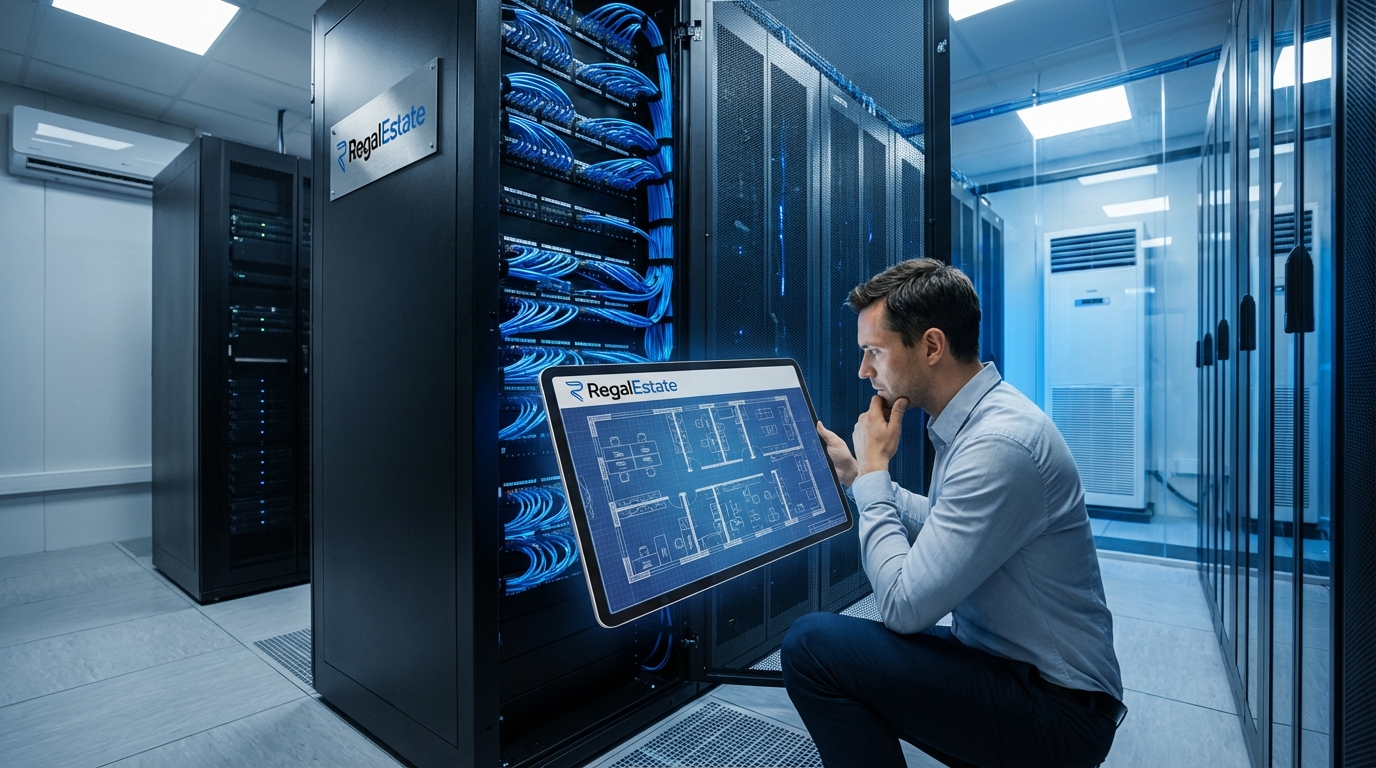
The final physical rollout demands absolute logistical precision to successfully avoid a completely chaotic scramble during launch week. A highly successful office launch closely follows a well-orchestrated deployment playbook, starting with the establishment of the core server room. Neat and accurately labeled cable management practically makes future hardware troubleshooting exponentially easier for dedicated technical support staff. Activating the robust core network backbone successfully paves the clear way for a meticulously phased physical installation of employee workstations. Rigorous, structured end-to-end system testing strictly remains the absolute most vital final step before successfully granting eager employees full system access. Support personnel must carefully follow strict technical validation scripts rather than simply manually checking for basic internet connectivity. Testers systematically verify user login credentials, remote cloud storage mapping configurations, and strict security firewall rules thoroughly. Creating a highly comprehensive system readiness checklist guarantees every single critical component functions completely flawlessly. Executing a restricted soft launch with a deliberately small group of technical users successfully uncovers deeply unforeseen issues within a safe, controlled environment. Integrating modern smart office technology for the future of work absolutely requires this exact level of meticulous validation.
Sustaining long-term success with your infrastructure
Future-proofing complex enterprise technology requires continuous attention well beyond the initial rushed installation phase. Transitioning gracefully toward highly automated infrastructure management tools drastically reduces manual human errors and significantly speeds up vital future security updates. Employing advanced real-time monitoring software continuously detects hidden server bottlenecks or failing software applications proactively before they negatively impact daily user productivity. Establishing strictly disciplined financial operations practices properly ensures growing companies audit their massive cloud usage highly regularly. Consolidating underutilized computing resources gracefully optimizes ongoing enterprise operational costs significantly over the long term. Leadership executive teams must collectively treat the broader technology environment as a deeply living ecosystem that constantly evolves dynamically alongside the growing business itself. Investing intelligently in premium infrastructure upfront permanently prevents extremely costly future replacement cycles and heavily minimizes severely disruptive network downtime. A properly executed digital architecture confidently acts as a highly powerful strategic business asset rather than a mere unavoidable operational expense. Empowered corporate workforces systematically thrive when consistently provided with highly reliable, lightning-fast, and deeply secure digital operational tools. Unwavering commitment to these robust logistical principles absolutely guarantees your organization consistently remains highly agile and fiercely competitive for several successful years to come.