In today’s competitive business landscape, a company’s physical space is more than just a place to work; it’s a powerful statement of its identity, values, and vision. Moving beyond simple logos and color schemes, strategic office branding transforms a workspace into a living embodiment of the company culture, directly impacting talent attraction, employee morale, and client perception. In a sophisticated and globally-oriented business hub, the approach to branding a workspace must be equally nuanced. Recent trends show a significant shift towards human-centric and flexible designs that reflect a company’s core ethos. This is particularly true for dynamic markets where the competition for top talent is fierce, making a well-branded office a crucial differentiator. This guide will explore how to craft a magnetic brand identity within your physical workspace, turning your office into a strategic asset that resonates with both employees and clients alike and fosters a deep sense of belonging and purpose.
The foundation of spatial branding
Before selecting a single piece of furniture or a paint color, the foundational step is to define your brand’s core narrative. What is the story you want your space to tell? This involves a deep dive into your company’s mission, vision, and values. Are you an innovative tech startup that prizes collaboration and disruption, or a financial institution built on a legacy of trust and stability? The answer will dictate the entire design direction. This process, often called workplace strategy, aligns the physical environment with your business objectives. It’s about creating a space that doesn’t just look good but actively works to support your company’s goals. For instance, a brand focused on transparency might utilize glass walls and open-plan layouts, while a company emphasizing heritage could incorporate classic materials and timeless design elements. It is this strategic thinking that elevates office design from mere decoration to a powerful business tool, creating an authentic experience that can be felt by everyone who walks through the door. In a thriving business environment like Luxembourg City, where global firms establish significant operations, this authentic representation is key to standing out.
Integrating culture and design
Once the brand narrative is established, the next step is to translate it into a tangible design language. This is where your company culture becomes the primary inspiration. A culture of collaboration would necessitate a variety of communal spaces, from informal lounges and breakout zones to high-tech conference rooms designed for seamless teamwork. Conversely, a culture that values deep, focused work would require quiet zones, private pods, and acoustically treated areas. The choice of materials, colors, and lighting also plays a crucial role. Natural materials like wood and stone can create a sense of warmth and stability, while bold colors and modern finishes might convey energy and innovation. It’s not just about aesthetics; it’s about creating an environment that empowers your employees to do their best work. Furniture selection becomes a critical component of this integration. Ergonomic chairs, height-adjustable desks, and adaptable modular furniture demonstrate a commitment to employee well-being and flexibility, which are increasingly important factors in attracting and retaining top talent. This cultural integration ensures the space is a true reflection of the people who use it every day, fostering a stronger sense of community and shared purpose.
The psychology of color and light
The psychological impact of color and light on mood and productivity is a well-documented phenomenon that should be a central consideration in office branding. Color theory is a powerful tool for evoking specific emotions and behaviors. For example, blues and greens are known to have a calming effect, making them ideal for areas requiring focus and concentration. Yellows and oranges, on the other hand, can stimulate creativity and energy, making them suitable for collaborative and brainstorming spaces. It’s essential to use your brand’s color palette strategically, not just splashing it everywhere. Use accent walls, furniture, and artwork to create a sophisticated and intentional color scheme that reinforces your brand identity without overwhelming the senses. Lighting is equally important. Maximizing natural light should be a priority, as it has been proven to improve employee well-being and reduce eye strain. Where natural light is limited, a layered lighting strategy combining ambient, task, and accent lighting can create a dynamic and comfortable environment. Smart lighting systems that can be adjusted throughout the day to mimic natural circadian rhythms are also becoming a popular trend, further demonstrating a commitment to a human-centric workplace design.
Biophilic design and employee well-being
Integrating natural elements into the workplace, a concept known as biophilic design, is a rapidly growing trend with proven benefits for employee well-being and productivity. This goes beyond simply placing a few potted plants around the office. True biophilic design involves a holistic approach that incorporates natural materials, patterns, and forms into the architectural and interior design of the space. This can include features like living green walls, indoor water features, maximizing views of nature, and using materials like wood, stone, and natural fibers. The goal is to create a connection to the natural world, which has been shown to reduce stress, improve cognitive function, and enhance creativity. For businesses in urban centers such as Luxembourg City, where access to nature can be limited, bringing the outdoors in is a powerful way to create a healthier and more inspiring work environment. This focus on well-being is a strong branding statement in itself, signaling that the company values its employees not just as workers, but as people. It communicates a culture of care and sustainability that can be a major draw for talent.
Technology as a branding tool
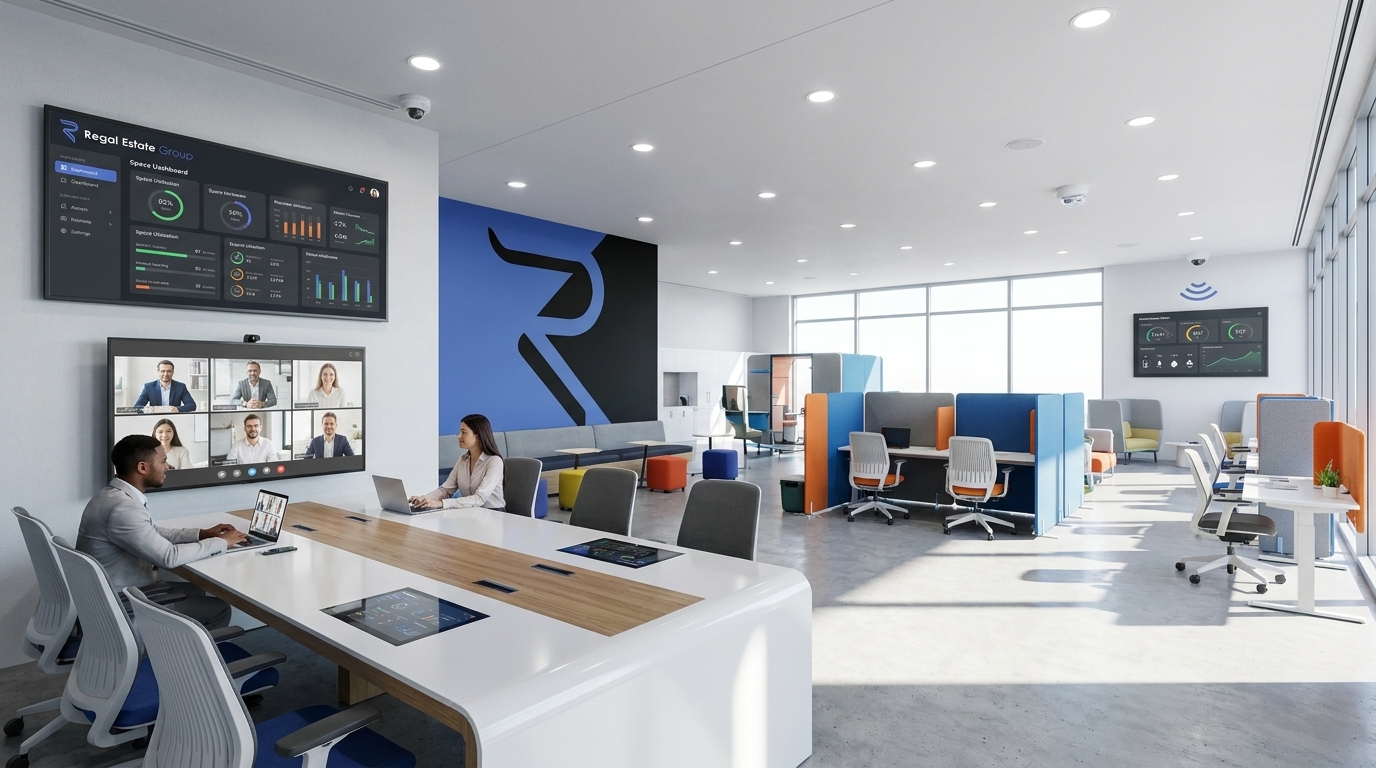
In the modern workplace, technology is not just a utility; it’s an integral part of the employee experience and a powerful branding tool. Seamless, intuitive technology can reflect a brand that is forward-thinking, efficient, and user-friendly. This includes everything from high-speed wireless connectivity and smart room booking systems to interactive displays and video conferencing solutions that actually work without friction. Integrating technology thoughtfully into the design can enhance the brand message. For example, digital signage in the lobby can be used to welcome clients, share company news, and display brand stories in a dynamic and engaging way. Smart office features, such as app-controlled lighting and climate, offer a personalized and comfortable experience for employees, reflecting a brand that is modern and attentive to individual needs. The key is to ensure that the technology is not intrusive but rather enhances the functionality and feel of the space. A well-integrated tech infrastructure communicates competence and a commitment to providing the best tools for success, reinforcing the brand’s image as an industry leader.
The final touches: art and accessories
The final layer of branding your space lies in the details. Art, accessories, and bespoke installations provide an opportunity to tell your brand’s story in a unique and memorable way. Commissioning local artists to create custom pieces that reflect your company’s values or the local culture can create a strong sense of place and community. This is a particularly effective strategy for international companies looking to establish a connection with their local environment. The choice of accessories, from the mugs in the kitchen to the stationery in the meeting rooms, should also be consistent with the brand identity. These seemingly small details contribute to a cohesive and immersive brand experience. Custom environmental graphics, such as wall murals depicting the company’s history or mission statement, can also serve as powerful visual storytellers. It’s these final touches that often leave the most lasting impression on both employees and visitors, transforming a well-designed office into a truly branded and inspiring space that feels authentic and purposeful. These details help solidify a unique identity for firms operating in the competitive landscape of Luxembourg City.
Conclusion
Branding your space is a strategic imperative that goes far beyond aesthetics. It’s a holistic process that involves translating your company’s core identity, culture, and values into a three-dimensional experience. By starting with a clear brand narrative and workplace strategy, you can create a physical environment that not only looks impressive but also functions as a powerful tool for attracting and retaining talent, fostering a strong company culture, and impressing clients. From the integration of biophilic design and smart technology to the thoughtful selection of colors, materials, and art, every element should work in harmony to tell a cohesive and compelling story. An office that is authentically branded becomes a destination, a place where employees feel a sense of belonging and are inspired to do their best work. It becomes your company’s most powerful physical asset, a living, breathing manifestation of your brand’s promise. In a world where the lines between work and life are increasingly blurred, creating a space that is both functional and meaningful is the key to building a resilient and thriving organization. By investing in this strategic process, companies can ensure their workspace is not just a container for work, but a catalyst for success.